3D printing is transforming neurology with flexible and biocompatible brain sensors. These devices adapt to brain tissue, outperforming traditional rigid sensors. Their precision allows detailed monitoring of neuronal activity, facilitating early detection of epilepsy, Parkinson's, or injuries. Additionally, customized manufacturing reduces costs and time, offering patient-specific implants.
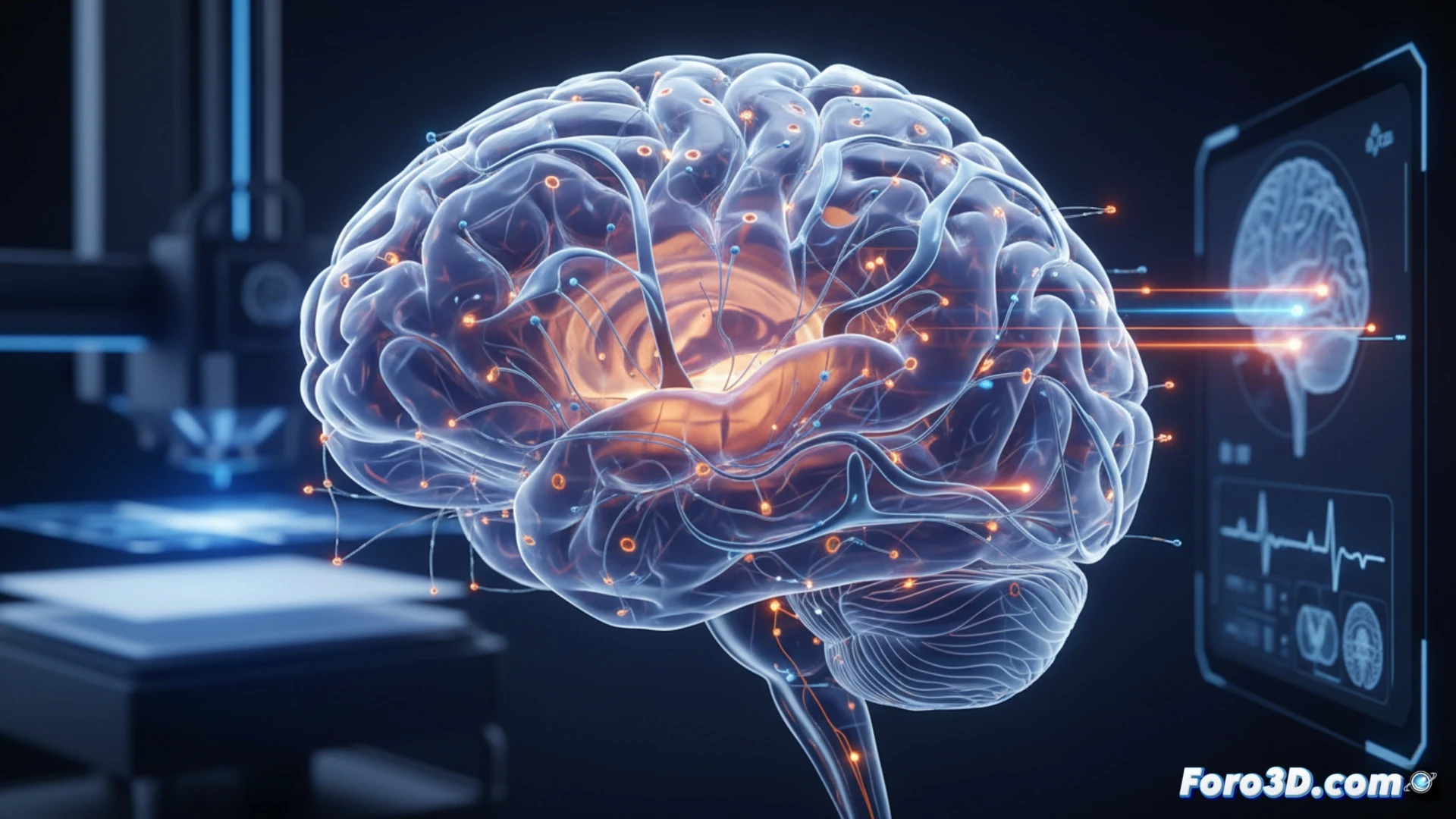
Custom manufacturing: how 3D printing optimizes neural implants 🧠
3D printing technology allows the creation of sensors with shapes and thicknesses tailored to each brain. By using conductive and flexible materials, these sensors minimize inflammation and tissue damage. Current prototypes integrate high-density electrodes to record signals with low interference. This technical development accelerates the customization of implants for disorders such as epilepsy, where detecting seizure foci requires millimeter precision.
Your brain now has spare parts (and they are printed) 🤖
Soon you'll be able to update your skull's firmware without visiting a technician. These printed sensors promise to read your thoughts, but be careful: if they become outdated, you might end up with pizza ads in your mind. At least, being flexible, you won't have to worry about a headache from obsolete hardware. 3D printing saves neurons, but not from the irony of having a brain with a limited warranty.