The Unitree G1 has taken a step forward in robotics by mastering ice skating and roller skating. A research team has trained this humanoid robot with generative neural networks, achieving fluid movements and precise turns. What seemed impossible for bipedal machines is now a reality, surpassing the clumsy first steps we saw in previous attempts at robotic soccer.
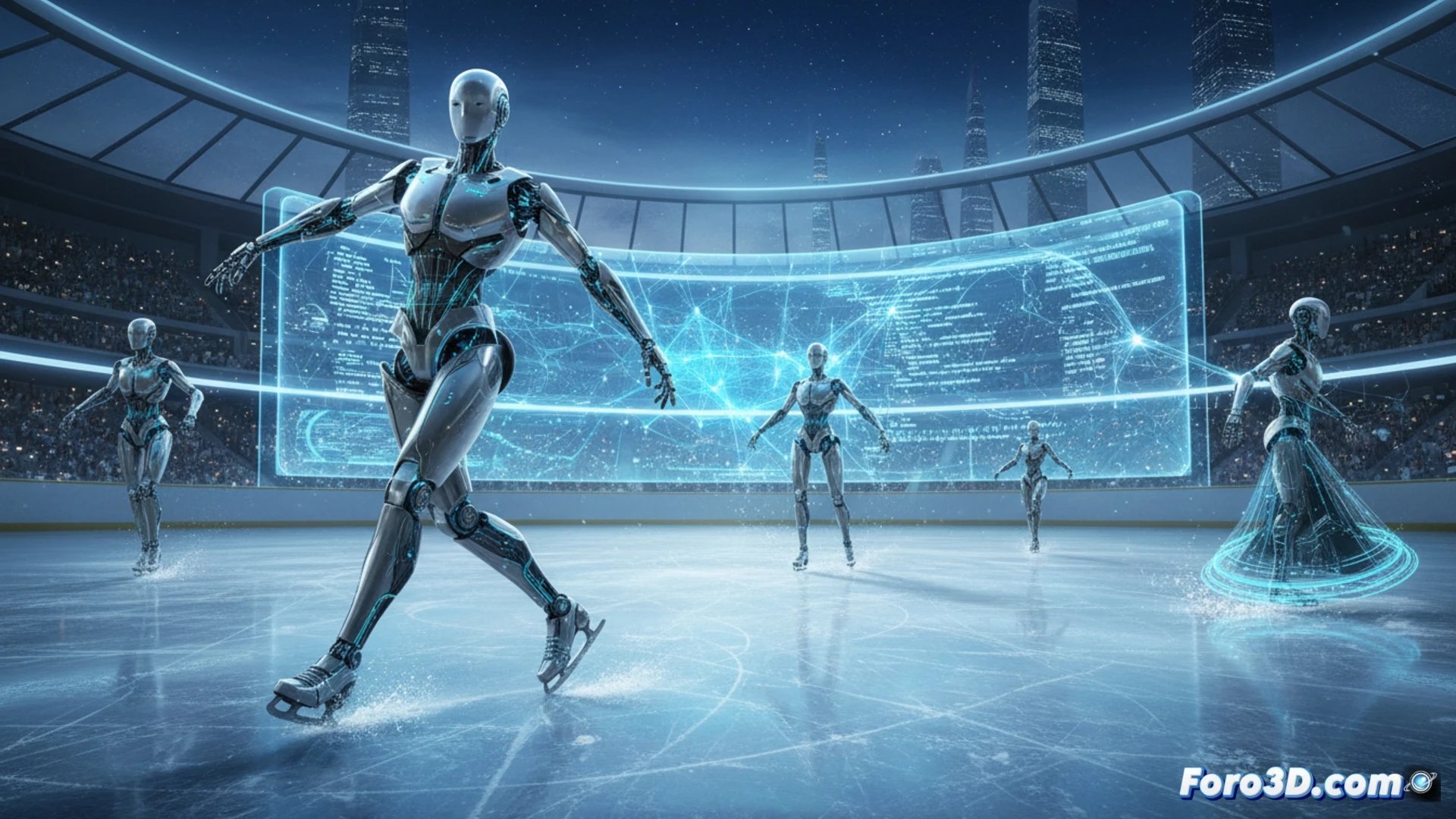
How generative networks transform robotic balance 🤖
The researchers used an approach based on reinforcement learning with generative adversarial networks. The system processes data from inertial and force sensors in real-time to adjust postures and slides. Unlike traditional methods, this model allows the G1 to predict and correct imbalances before falling. The robot executes braking, direction changes, and accelerations on real ice, something that requires synchronization of 23 joints. The key lies in massive simulation: the software generates millions of virtual skating scenarios for the hardware to learn without risks.
From ice to the rink: robots that no longer fall like us ⛸️
While humans still hold onto the railing to avoid making fools of ourselves on the ice rink, the Unitree G1 skates as if it were born with blades on its feet. The funniest part is that these robots already master turns that would cost many of us several visits to the physiotherapist. For now, they just need to learn how to do the cobra or take a selfie while dodging a kid with a hockey stick.