In an exclusive interview during the VIEW Conference, Rob Legato, a visual effects supervisor with three Oscars, reviewed the technical milestones of his career. From the digital crowds of Titanic to the magic of Harry Potter, Legato shared anecdotes and innovative solutions that defined the visual look of iconic films, offering a masterclass on the evolution of VFX. 🎬
From Motion Capture to the Digital Ocean: Pioneering Techniques 🚀
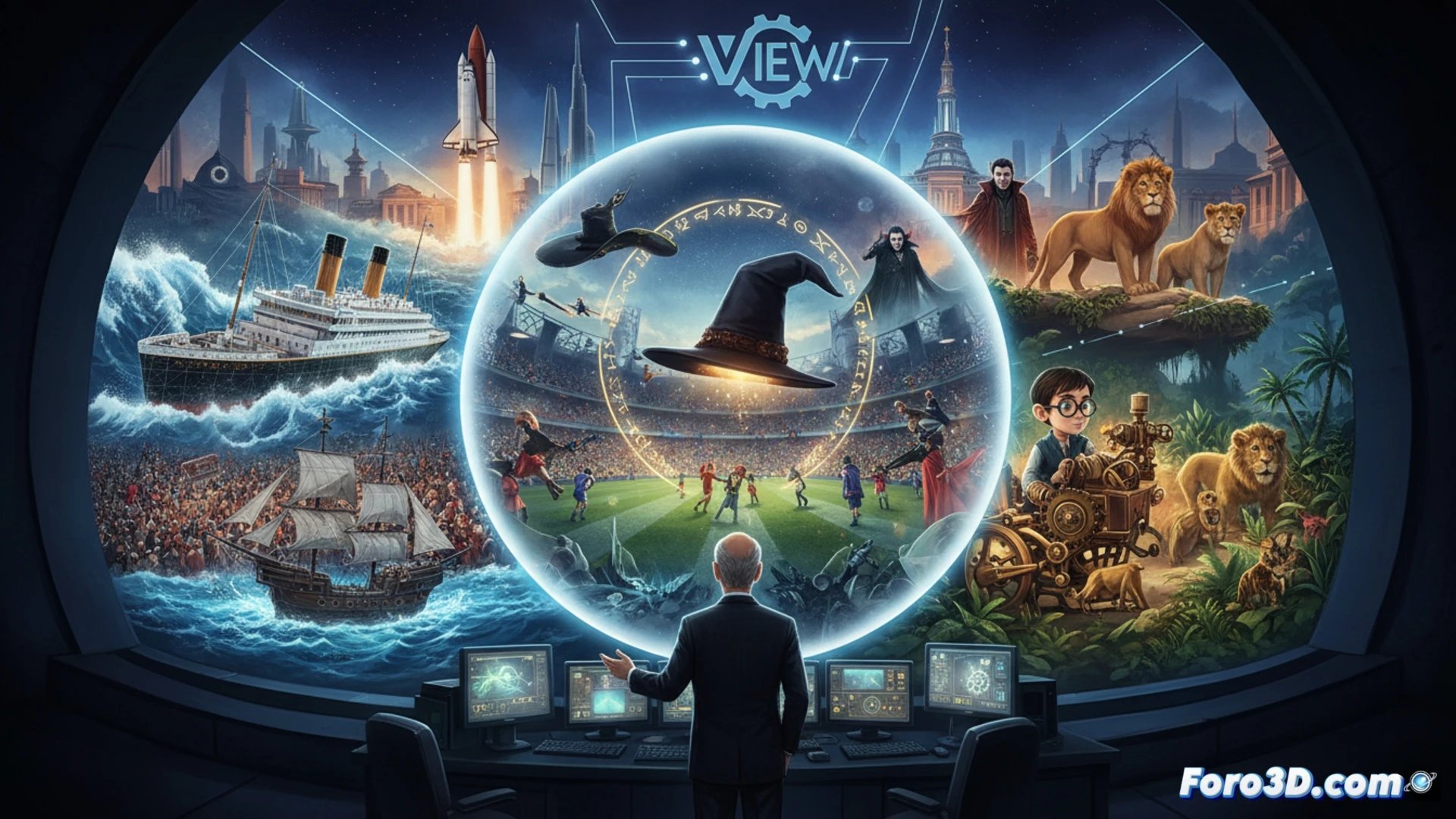
Legato detailed how he solved technical challenges with limited resources. For the crowds in Titanic, he used motion capture with a few actors, replicating and varying their movements to create thousands of unique passengers. In Waterworld, his team generated a convincing digital ocean years before it was common. In Harry Potter, elements like the Sorting Hat were animated by combining traditional techniques with CGI, and the Quidditch scenes were meticulously planned to integrate live action and digital flight.
The Philosophy Behind the Effect: Simplicity and Narrative ✨
Beyond technique, Legato emphasized that the best VFX is that which serves the story. His approach always prioritizes emotion and narrative credibility over technical showmanship. This philosophy, applied in projects as diverse as Apollo 13 and The Lion King, is his main legacy: using technology as an invisible means to enhance the cinematic experience and connect with the audience.
How did Rob Legato manage to integrate the visual effects of Titanic and Harry Potter to serve the narrative without distracting the viewer?
(P.S. VFX are like magic: when they work, no one asks how; when they fail, everyone sees it.)