The discovery of the brigantine Mary Celeste adrift in 1872, intact but uninhabited, is the perfect case for a modern digital forensic investigation. Imagine applying current crime scene documentation techniques to this historical enigma. A precise digital twin of the ship as it was found would allow for the objective analysis of every material clue, freezing the scene for inspection without time limits, something impossible for the investigators of the time.
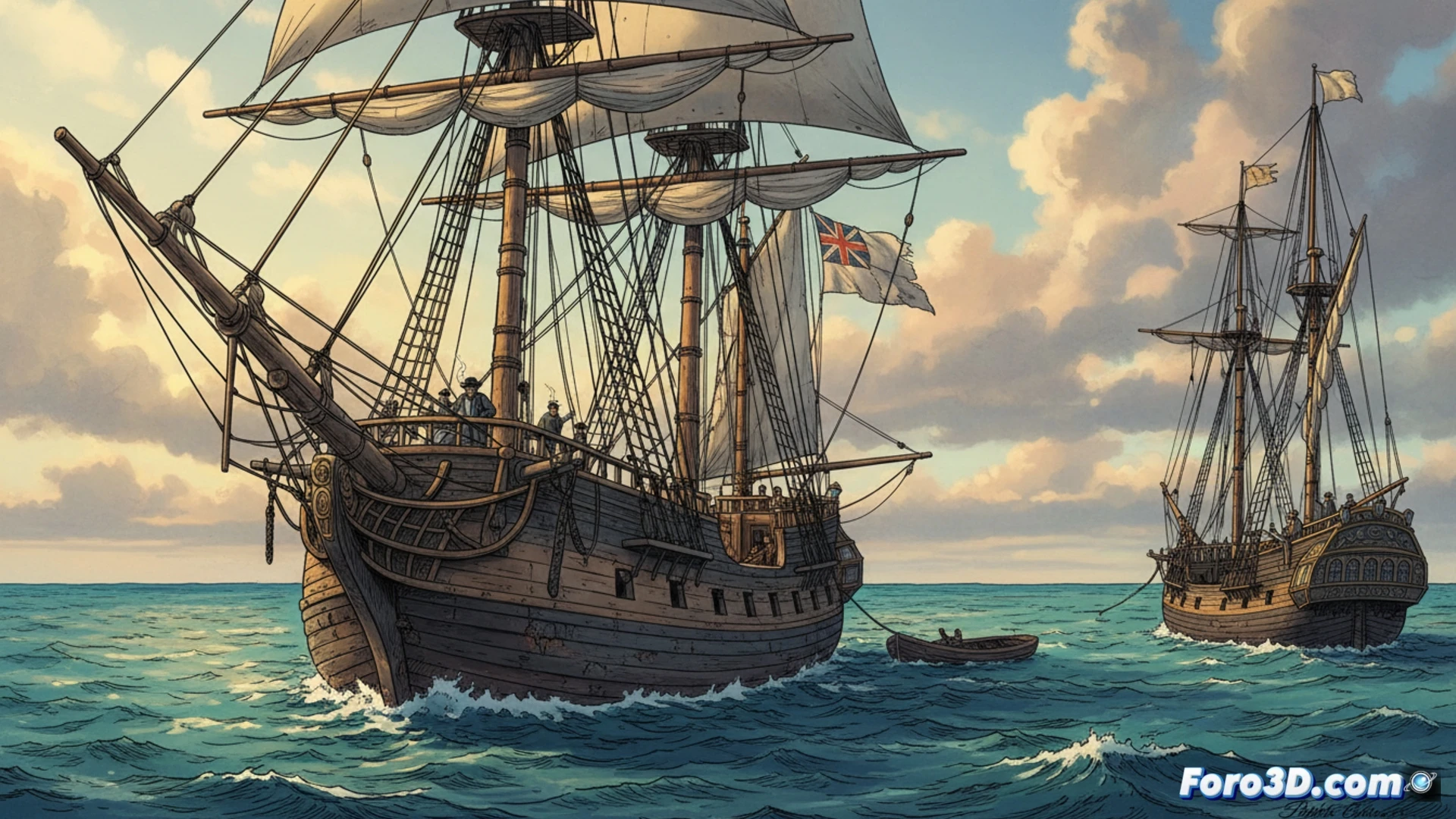
Methodology for creating a digital twin of the scene 🔬
The process would begin with exhaustive documentation using photogrammetry and 3D laser scanning, using the original blueprints and discovery reports as reference. This geo-referenced 3D model would integrate data such as the position of personal objects, the state of the sails, the cargo, and even the food on the table. On this digital twin, key hypotheses could be visualized and tested: simulating the effect of contaminated drinking water, the dynamics of a mutiny, or the impact of a sudden meteorological phenomenon, evaluating their feasibility with basic physics.
Beyond the mystery, a technical lesson 💡
This exercise does not seek to give a definitive answer, but to demonstrate the power of 3D reconstruction as a tool for forensic and historical analysis. It turns a narrative into an interactive space to test theories. The digital Mary Celeste thus stands as a paradigmatic case study on how technology can reopen cold cases, offering a new layer of evidence where before there was only speculation.
How can the 3D forensic analysis of the distribution of objects and damage on the Mary Celeste help to rule out or validate the main hypotheses about the disappearance of its crew?
(PS: In crime scene analysis, every scale marker is a small anonymous hero.)