The return of The Devil Wears Prada brings back a clear narrative pattern: antagonists often look more elegant than protagonists. This is not a whim of the costume department, but a script strategy. Cruella de Vil or Maleficent build their power through an exaggerated and stylized aesthetic, while heroines prioritize functionality or visual simplicity. Costume designers confirm that this difference responds to a symbolic need: luxury and sophistication are directly associated with control and authority on screen.
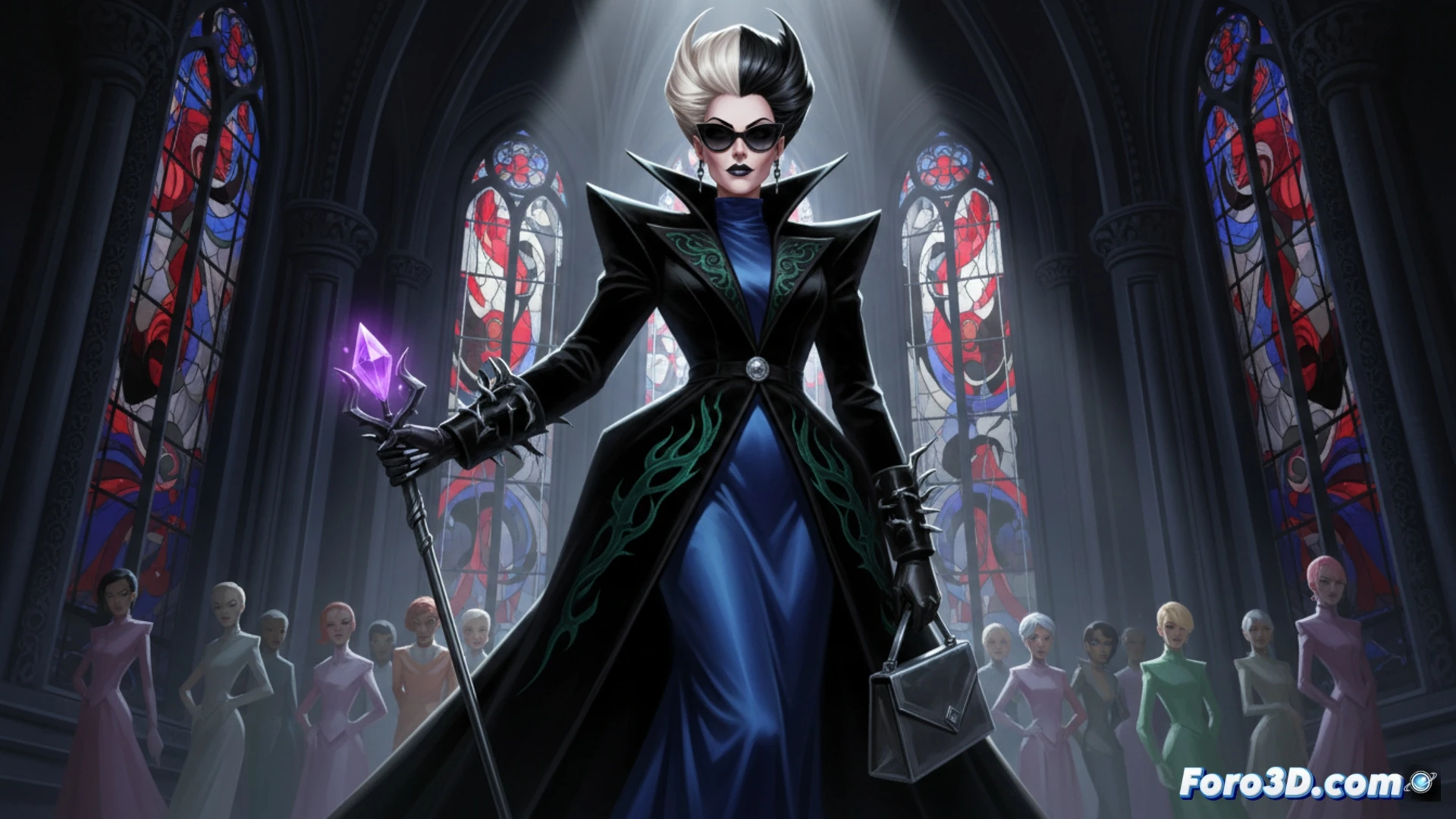
The digital design behind the opulence of the antagonists 🎭
From a technical point of view, the creation of these costumes involves meticulous work that combines traditional tailoring with digital tools. In recent productions, costume design relies on 3D modeling software to preview textures, fabric drapes, and complex patterns before construction. This allows for adjustments to details like the sheen of a brocade or the stiffness of a high collar without wasting materials. Additionally, post-production lighting is calibrated to highlight these fabrics, generating contrasts that accentuate the villain's visual presence against a heroine lit in a flatter, more neutral way.
Tips for dressing like a villain (without having to conquer the world) 👗
If your ambition is to steal the show at the next company dinner, forget pastel tones. Bet on structured silhouettes, shiny fabrics, and makeup that screams don't interrupt me. You don't need a fashion empire: a blazer with sharp shoulders and a necklace that looks like a museum piece will do. But be sure to warn your coworkers: if someone asks if you're in a bad mood, reply that it's your authority look. It works better than a performance report.