In newsrooms across Ghana, female journalists arrive with the same energy and talent as their male colleagues, but soon discover an invisible obstacle. Harassment, stereotypes, and a lack of opportunities to cover political or security topics limit their growth. Despite their dedication, many are relegated to soft sections, while their male counterparts advance in their careers.
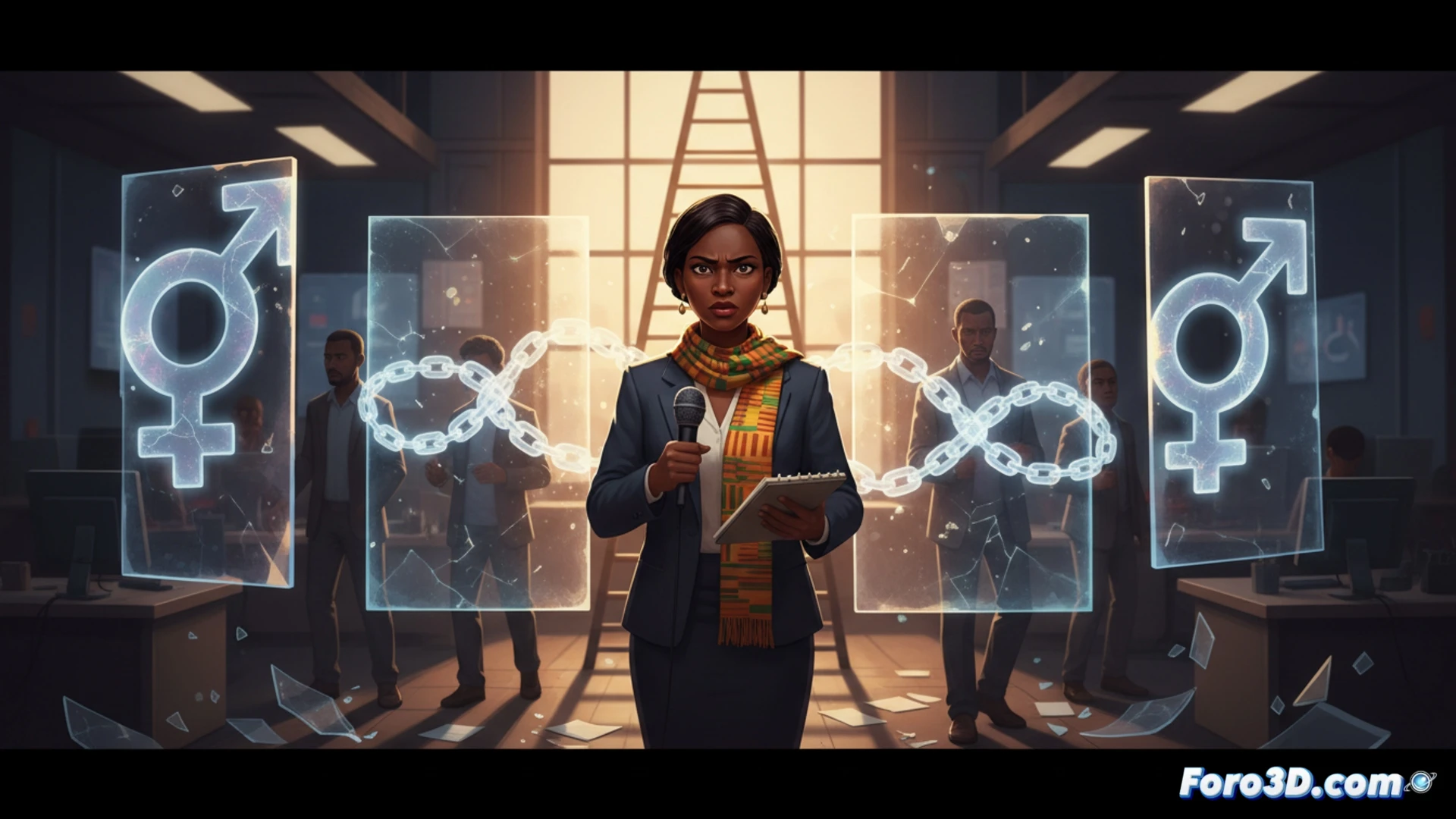
Technology as a tool for evasion and resistance 🛠️
Faced with these barriers, some journalists turn to digital tools to bypass the editorial filter. They use encrypted messaging apps to share confidential sources without fear of reprisal. They also use cloud-based collaborative editing platforms to publish investigative reports outside of working hours. However, limited internet access in rural areas and the cost of equipment like quality cameras or recorders remain a burden. The digital divide doubles the gender gap.
The foolproof trick: being invisible but efficient 🕵️♀️
The most popular strategy among Ghanaian female reporters is to become invisible. Literally. Some have learned to use voice filters to interview politicians without them knowing a woman is on the other end of the line. Others submit their notes under male pseudonyms. The height of irony: when the boss discovers that the front-page story was written by a woman, he looks as if he's been hit with a microphone. At least the paycheck arrives the same, even if the credit doesn't.