In Norway, leaving work at 3 PM is part of a culture that balances productivity and personal life. This model, where performance is concentrated in effective hours, is shaping the work aspirations of Generation Z. Inspired by this system, many young people see the four-day work week as the next logical step. They argue it can increase well-being and efficiency, following an example that demonstrates it's not necessary to sacrifice personal time.
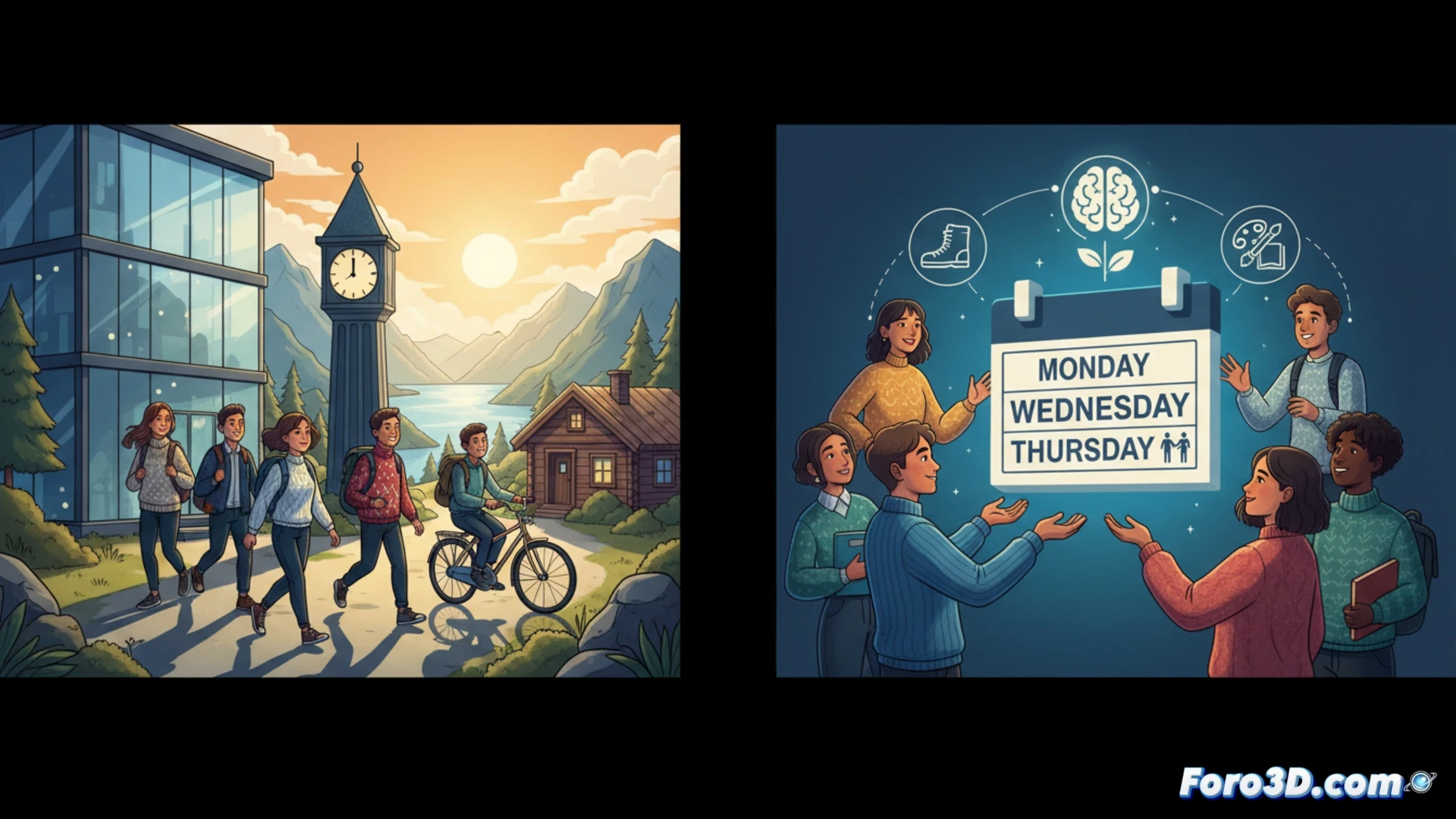
Technology as an enabler of concentrated productivity 🤖
This Norwegian model wouldn't be viable without technological tools that optimize work. The automation of repetitive tasks, asynchronous collaboration platforms, and management by objectives allow for compressing productivity. In software development, methodologies like DevOps and the use of AI for code review reduce bottlenecks. The key is to use technology to eliminate friction, not to artificially extend the workday. This way, the result is achieved without the need for constant presence.
My work companion giraffe does not approve of the Nordic model 🦒
While in Norway they close their laptops with natural light, here my greatest achievement in work-life balance is that the stuffed giraffe on the chair doesn't fall off during the tenth video call of the day. She, an expert in marathon workdays, thinks a four-day week would give her too much free time to accumulate dust. She prefers the current model, where we can enjoy the blue glow of the screen together at 8 PM. She is a true defender of digital presenteeism.