The Speaker of the Iranian Parliament, Mohammad Bagher Ghalibaf, indicated that talks with the United States have seen progress, although they are far from a definitive agreement. He framed the current truce as a demonstration of strength following the recent conflict. For the citizenry, the potential benefit is a shift towards greater stability and a reduction in global tensions. The counterpart is uncertainty, given the temporary nature of the ceasefire and a rhetoric of firmness that could hinder a lasting agreement.
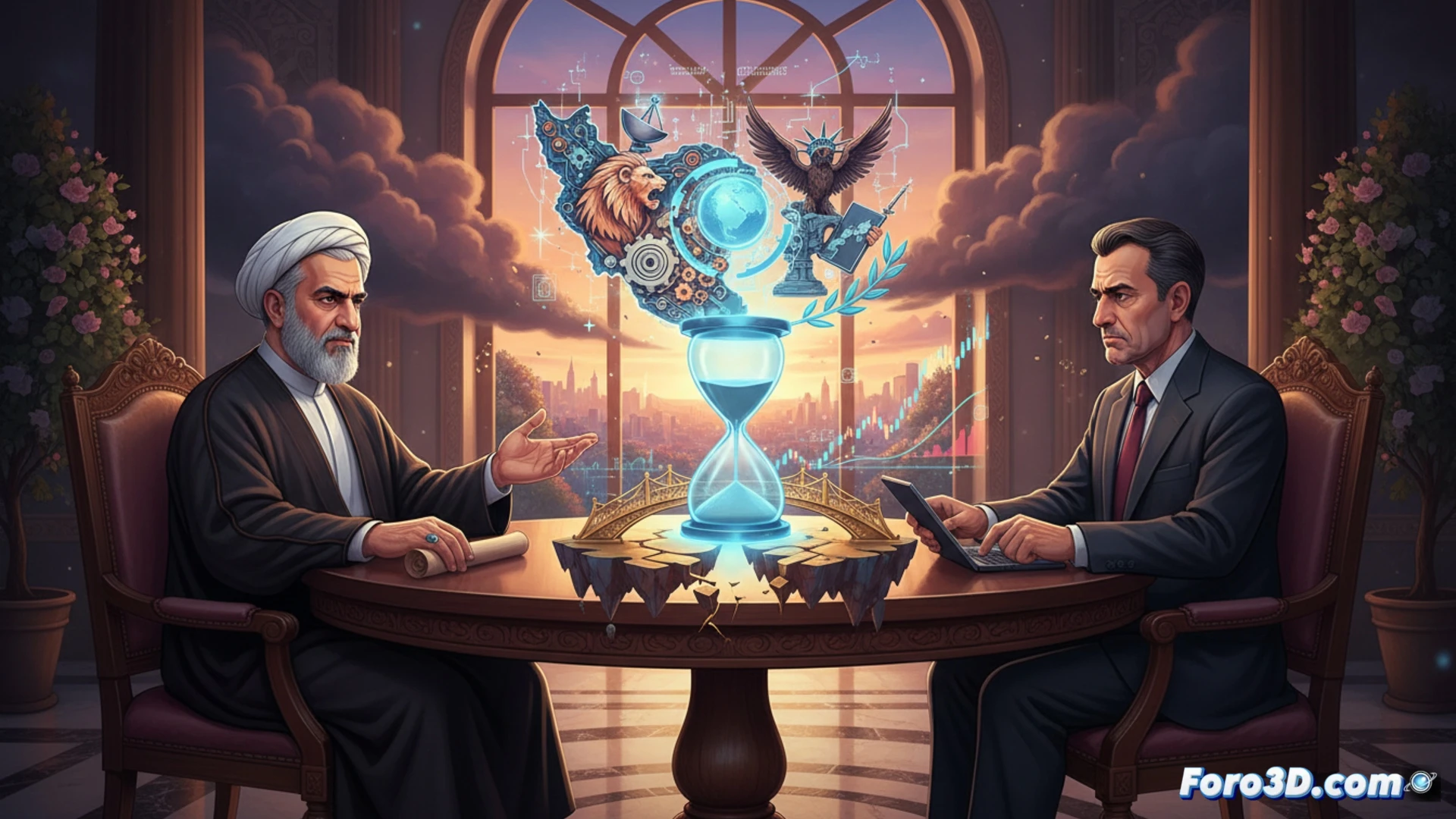
Diplomacy as a communication protocol in hostile environments 🕹️
This negotiation process can be analyzed under technical parameters, similar to a communication protocol between incompatible systems. A channel is established, data packets (proposals) are exchanged, but checksum errors (distrust) and timeouts (deadlines) persist. The truce acts as a temporary buffer that prevents channel saturation but does not resolve the underlying architecture. The risk of a failure in the final handshake keeps latency high in the markets and instability in the global system.
Firmware update to defuse the bomb... for now ⚠️
The situation is reminiscent of when your router starts having problems and you choose to restart it every couple of days instead of looking for a permanent solution. It's a patch, not a stable software update. While the technicians argue over the source code of the agreement, the end users, meaning all of us, keep our finger near the panic button in case the system collapses again. A show of strength that, ironically, keeps us in power-saving mode with automatic updates disabled.