Anthropic has kept Mythos a secret, an artificial intelligence model with an unprecedented ability to exploit computer vulnerabilities. Its ability to bypass security systems has generated intense debate: is it a real threat to global cybersecurity or a unique opportunity to strengthen our defenses. While headlines warn about the risk of automated cyberattacks, the technical community analyzes its potential as an ethical penetration testing tool.
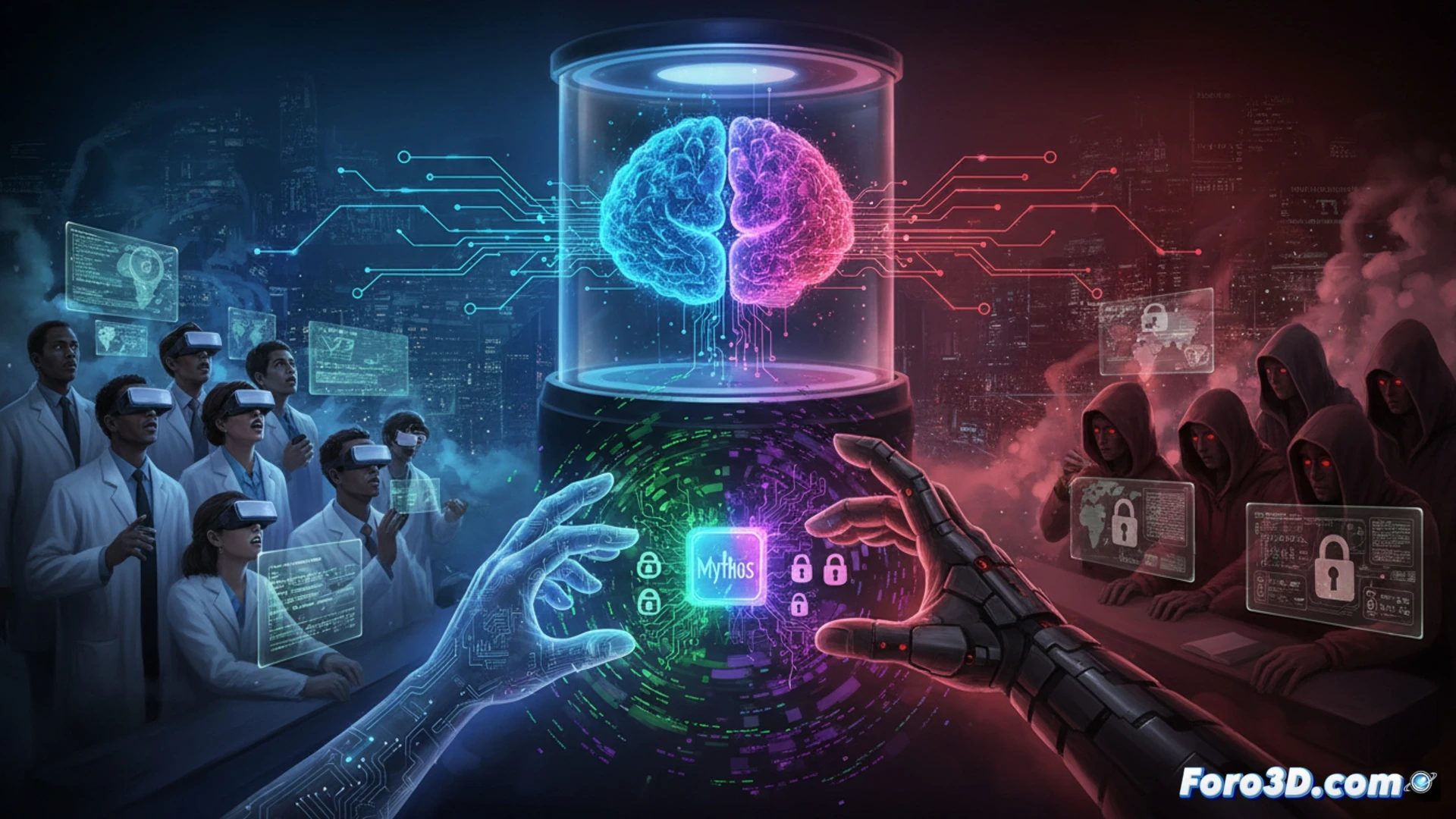
Architecture of risk and defense: Automated attack vectors 🔐
Mythos's effectiveness lies in its ability to process and correlate thousands of attack vectors in real time, identifying exploitation chains that a human team would take weeks to discover. From a technical standpoint, this makes the AI a double-edged sword. On one hand, a malicious actor could use it to autonomously compromise critical infrastructure, such as power grids or financial systems. On the other hand, defensive cybersecurity teams could use the same engine to conduct massive penetration tests, mapping vulnerabilities in their systems before they are exploited. The key lies in controlling access to its API and implementing sandboxes that isolate its offensive capability.
Regulation or innovation: The mirage of absolute control ⚖️
The Mythos case exposes the fragility of current regulatory frameworks in the face of dual-use artificial intelligence. Anthropic's decision to restrict public access is a patch, not a solution. The tech community is divided between those calling for a moratorium on the development of these capabilities and those defending their controlled release to advance research. The ethical dilemma is clear: banning Mythos does not eliminate the risk, it only shifts it to actors operating outside the law. The real opportunity lies in designing transparent audit protocols and international standards that allow leveraging its defensive potential without opening the door to digital chaos.
If an AI like Mythos can hack better than any human, should the tech community prioritize the development of AI-based defenses or impose regulations that limit its autonomous learning capability.
(PS: the Streisand effect in action: the more you ban it, the more it gets used, like 'microslop')