Electric cars and flying taxis share batteries, but their motors are worlds apart. While an EV prioritizes efficiency per kilometer, an eVTOL demands ultralight and redundant motors. Joby Aviation details that their units must withstand altitude and heat without failure, because a blackout in the air is unforgiving.
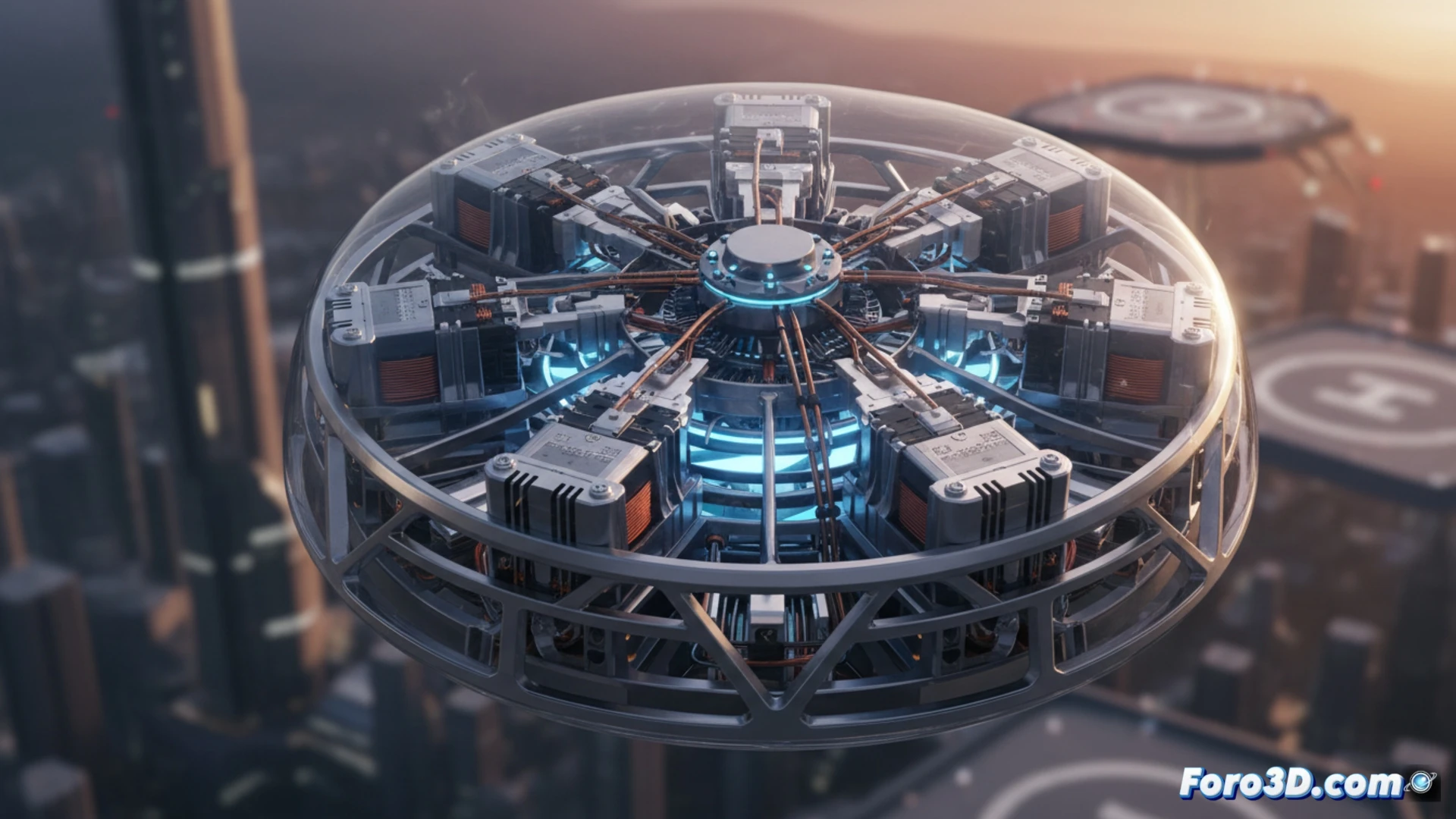
Redundancy and dissipation: the engineering of safe flight 🚁
The key lies in motor multiplicity and thermal management. A typical eVTOL uses six or more independent propulsors so that if one fails, the others maintain control. Additionally, the windings and magnets are designed with lightweight materials and high thermal tolerance. Unlike an EV, where overheating reduces power, here every degree counts to avoid an emergency.
When your car breaks down, you call a tow truck; in the air, you call... 😅
In a road-going electric vehicle, a seized motor is an inconvenience; you call your insurance and wait. But in an eVTOL, a similar failure turns the trip into an action scene. That's why engineers sweat over designing redundancies, while passengers pray that the joke about a melted motor isn't literal. At least on the ground, the only risk is being late.