The exhibition 'Maps and the First Circumnavigation' at the Museo de Santa Cruz revisits the feat of Magellan and Elcano with a critical eye. Pilar Rodríguez, curator of the exhibition, focuses on historical cartography and warns about a current phenomenon: self-publishing has proliferated in the cultural sphere, but it has also opened a space for mediocrity.
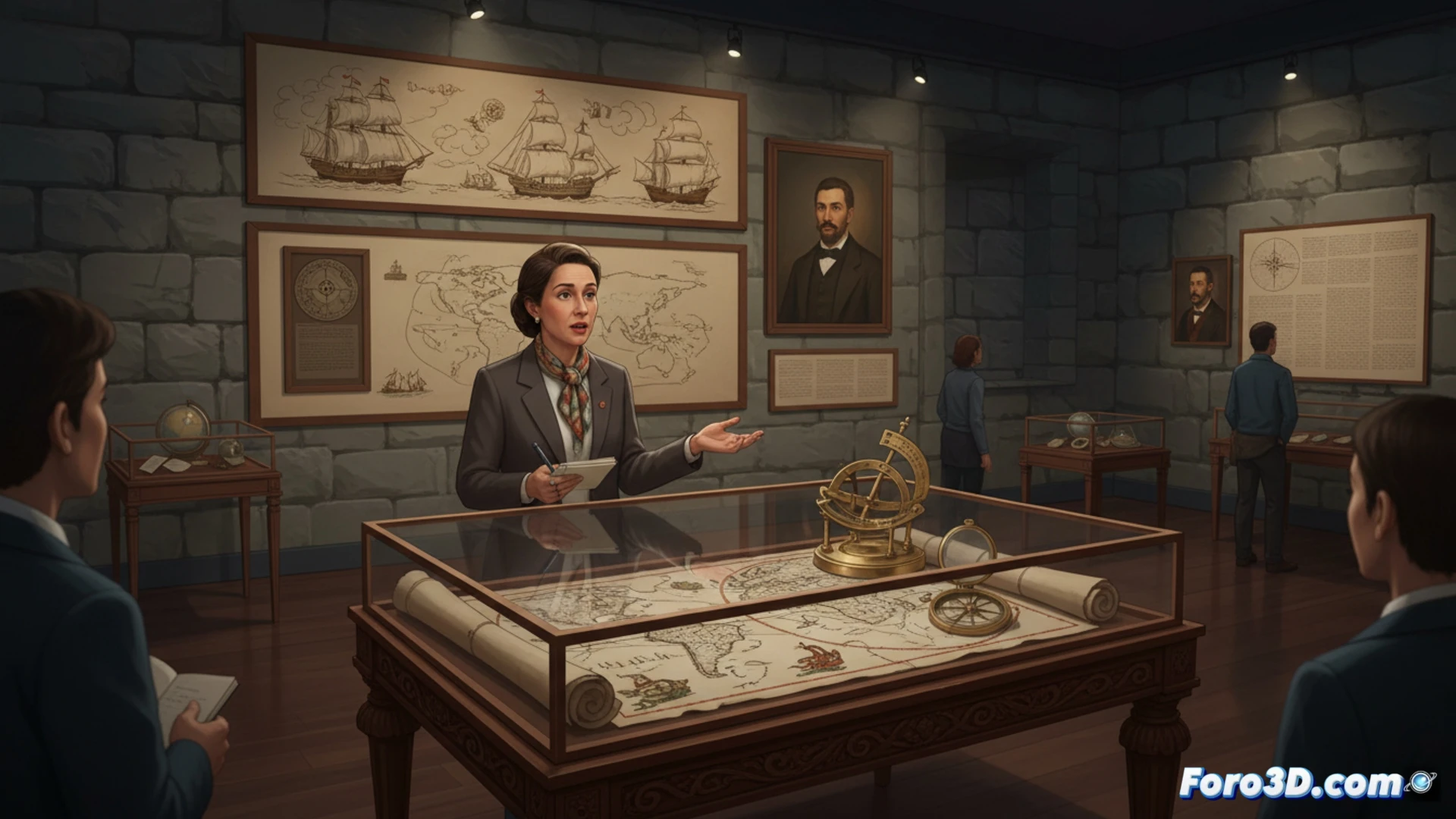
Cartography and Technology: The Map as a Tool of Control 🗺️
The exhibition analyzes how 16th-century maps not only represented territories but also served as instruments of power and colonial domination. The curator highlights that the cartographic precision of the era, based on astronomical calculations and navigators' accounts, contrasts with today's ease of publishing content without filters. Rodríguez suggests that technology has democratized creation but has diluted quality standards.
Self-Publishing: The New Compassless Journey for Creators 🧭
If Magellan and Elcano needed years of funding and expert cartographers to circumnavigate the globe, today anyone can self-publish a book on the subject in an afternoon. The problem, according to Rodríguez, is not the quantity of publications, but that many seem written by someone who confused the Strait of Magellan with a crosswalk. Mediocrity, in the end, is the new ocean we all sail.