Before the ground begins to tremble, the sky sometimes puts on an unsettling show: bluish flashes, floating spheres, or aurora-like glows. Known as earthquake lights, these apparitions have been documented for centuries, shrouded in myth. Today, science attributes them to complex geophysical processes where the Earth's crust, under extreme stress, generates electricity. Their study is vital, as they represent a possible, though unpredictable, precursor to an imminent disaster.
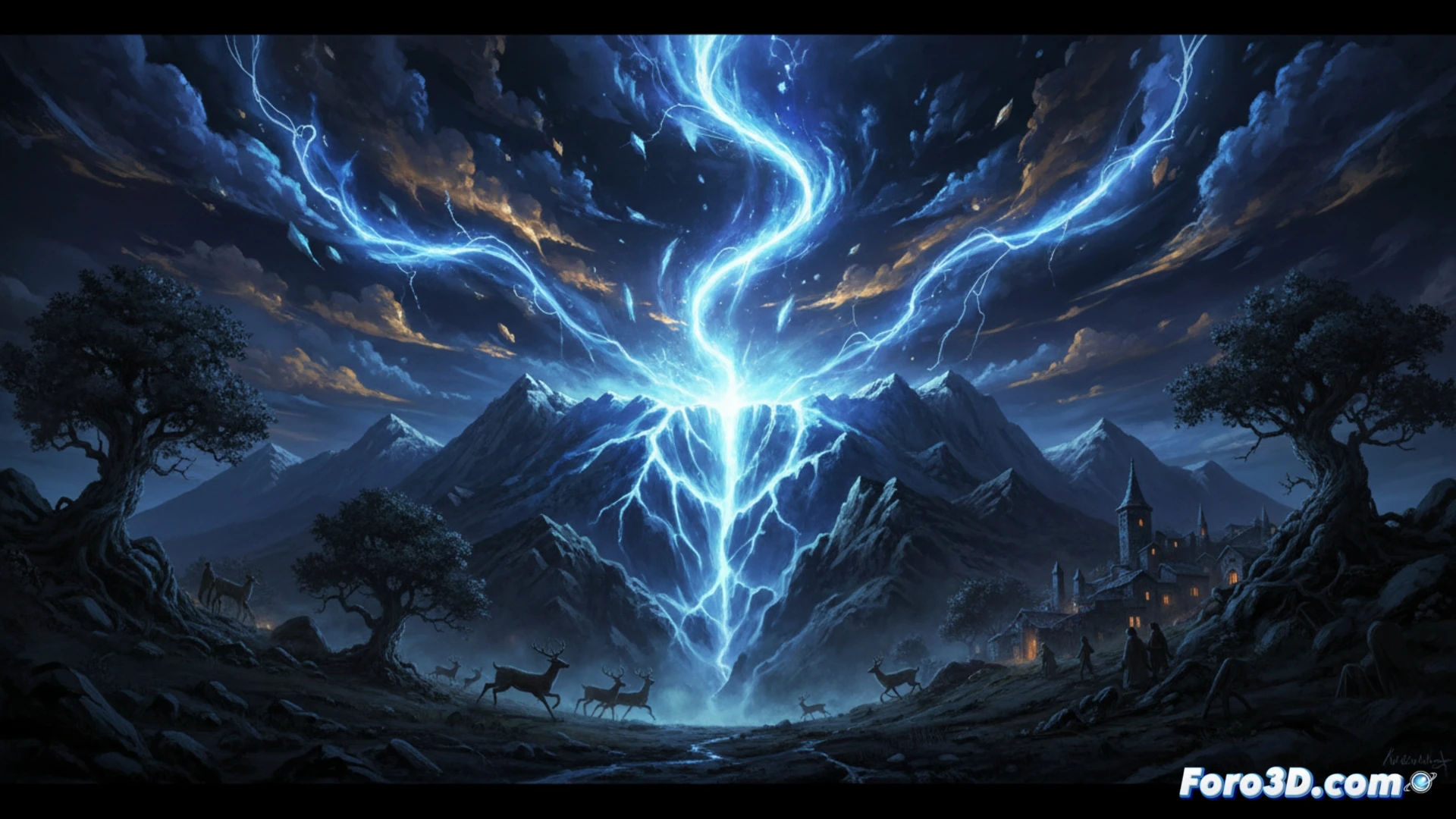
3D Simulation of the Piezoelectric Effect and Atmospheric Ionization ⚡
An effective 3D simulation to visualize this phenomenon requires two key stages. First, modeling geological faults and quartz rock masses under tectonic shear forces. As they deform, these minerals release electrical charges (piezoelectric effect), shown as particles or ascending energy flows. The second stage simulates how these charges ionize air molecules near the surface, creating a luminous plasma. Using engines like Unreal Engine or Blender with fluid dynamics add-ons, we can recreate the propagation of the discharges and their interaction with the atmosphere, offering a powerful educational tool.
Prevention Through Visualization 🧠
Although we cannot currently predict an earthquake based on these lights, their 3D simulation has crucial preventive value. It allows researchers and science communicators to explain the science behind seismic precursors in an intuitive way, fostering a culture of observation. Integrating these models into geographic information systems helps correlate reported luminous events with seismological data, advancing the understanding of a phenomenon that, one day, could be another piece in the complex puzzle of early warning.
What variables would you consider to model this disaster?