The lithium fever for batteries collides with an uncomfortable reality: current extraction methods are slow and polluting. Large evaporation ponds take months, damage ecosystems, and generate carbon emissions. Faced with this, Lithoz and Evove have joined forces to create Separonics, a solution that promises to change the game through 3D ceramic printing.
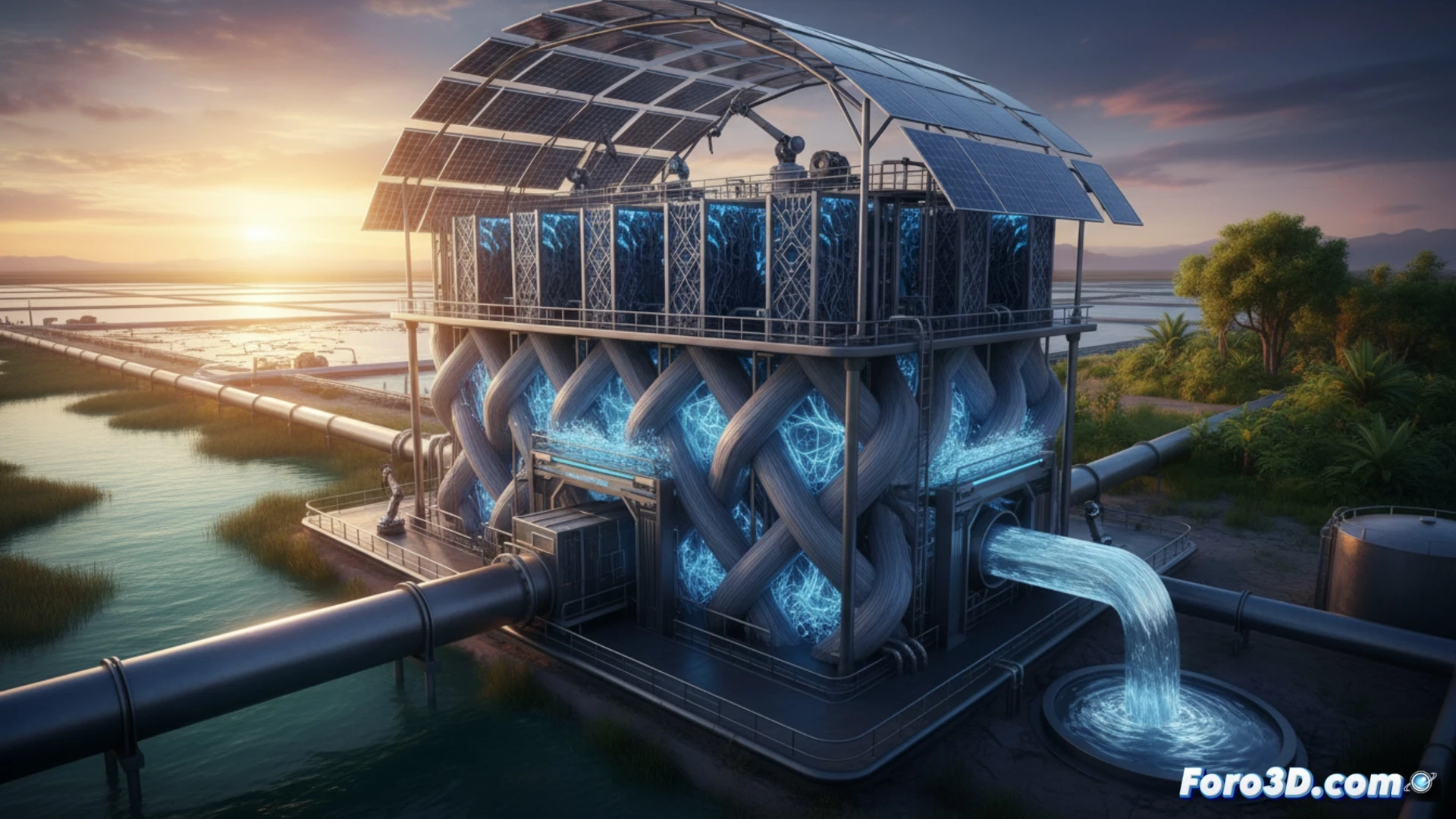
3D-printed ceramic filtration for faster lithium ⚡
Separonics combines the precision of Lithoz's 3D printing with Evove's filtration technology. The process uses ceramic membranes printed with optimized channels that continuously separate lithium from salts, reducing processing time from months to hours. By eliminating evaporation ponds and the transport of saltwater, environmental impact and emissions are reduced. It is an approach that prioritizes efficiency over waiting.
Goodbye lithium pool, hello printer 🖨️
Lithoz and Evove have turned lithium extraction from an endurance sport into a technological sprint. While traditional methods seem straight out of the dinosaur era (slow and very muddy), Separonics arrives with an air of modernity. Now, instead of waiting for the sun to do its job, we can print the solution. Of course, they better not get the idea of printing a pool for the weekend.