The recent images of the 2027 Lexus RX at the Nürburgring confirm its upcoming mid-cycle update. This facelift, focused on exterior design to compete with the GLE and X5, is the final result of an extensive digital development process. Behind those new headlights and bumpers are months of work with 3D technologies, which allow for iterating, simulating, and validating each change before manufacturing a single physical prototype.
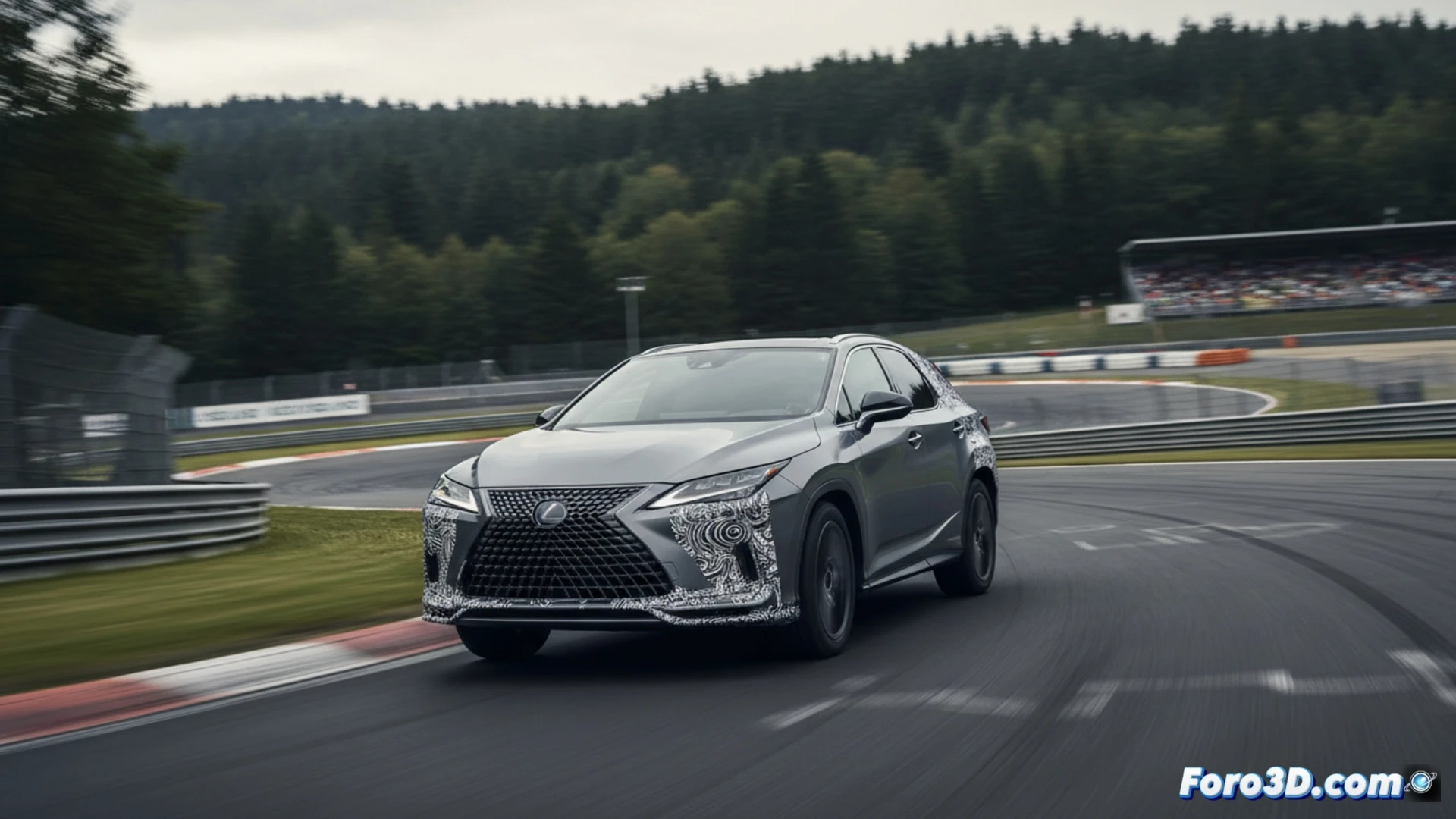
3D Pipeline: From Modeling to the Test Track 🛠️
The digital pipeline is key. Everything begins with the 3D modeling of complex surfaces, like the new lighting groups, where the shape is optimized for assembly and aesthetics. Then, CFD simulations are performed to evaluate the aerodynamic impact of the revised bumpers. With the validated models, photorealistic renders are generated for internal approval and, subsequently, functional prototypes of key components are manufactured using 3D printing. This methodology shortens timelines and reduces costs, allowing physical track testing to focus on fine-tuning dynamic behavior.
Simulation as a Competitive Advantage ⚡
This case highlights how the industry has evolved. It's no longer just about sculpting clay, but about mastering a comprehensive digital workflow. The ability to preview and test a design virtually provides a decisive agility. For the 2027 RX, it means that the changes seen at the Nürburgring were refined thousands of times in a virtual environment, ensuring that each adjustment contributes to performance and brand identity from the very first rolling prototype.
How are Lexus engineers using 3D modeling and digital simulation to validate the design of the RX 2027 facelift before physical testing at the Nürburgring?
(PS: at Foro3D our cars have more polygons than horsepower) 🚗💨