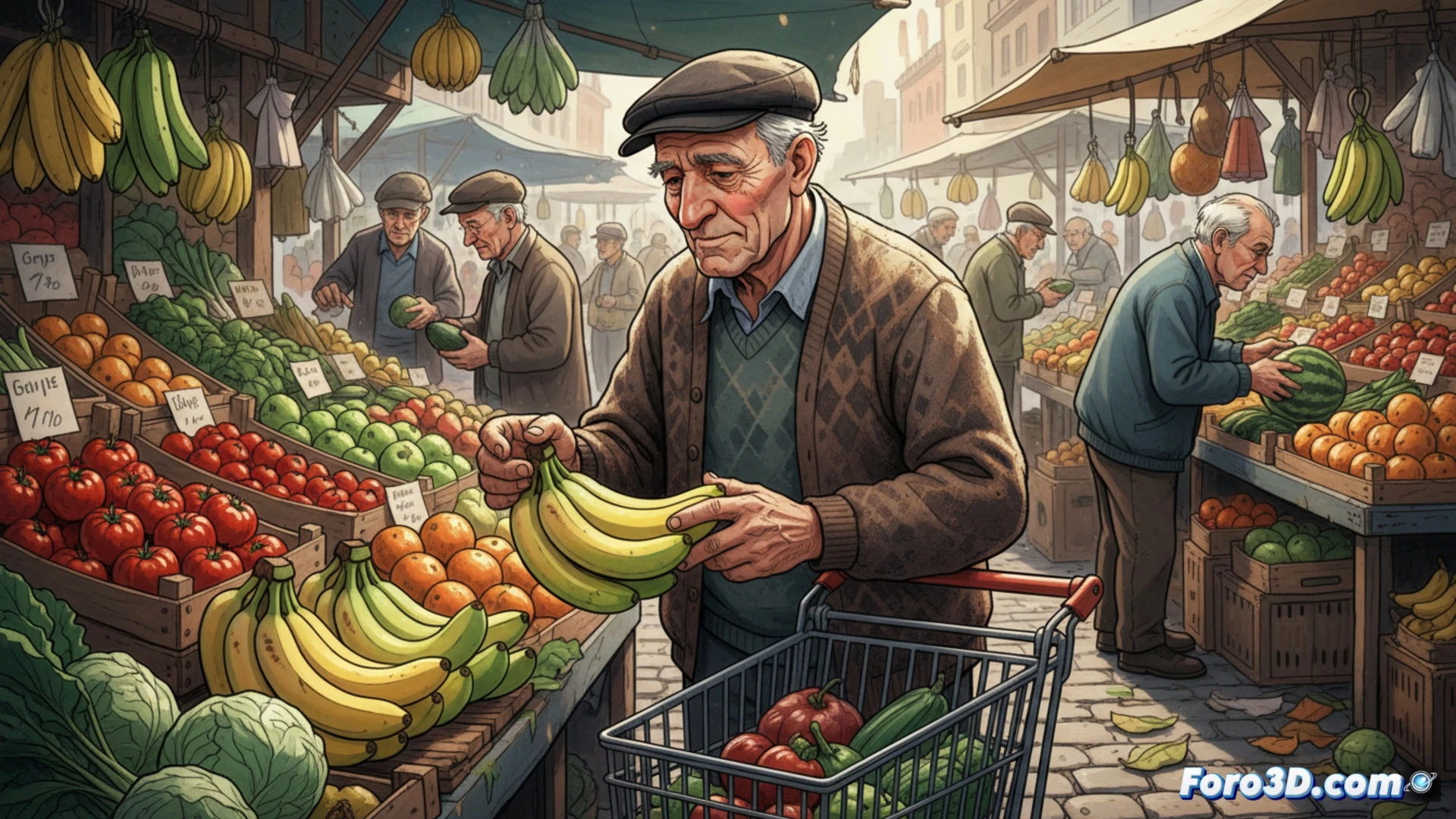
The gentleman's behavior of checking bananas one by one is not an oddity, but a display of everyday optimization. Older people, and not only them, seek to maximize the value for money in variable products. This habit, born from experience and thrift, reflects a rational logic: selecting the best piece within a tight budget. It is a decision-making process that many replicate in other areas.
Selection algorithms: the pattern that mimics grandma 🍌
Current recommendation systems apply a logic similar to that of the retiree at the fruit shop. They filter options based on variables such as price, quality, or availability, using historical data to predict the optimal choice. A sorting algorithm, for example, evaluates attributes like the virtual color or firmness of a product. This optimization, although automated, replicates the manual search for the perfect piece. The difference lies in the speed and volume of data processed.
The perfect banana doesn't exist, but we keep looking for it 🔍
It's curious to see a man palpate each banana with the precision of a laser scanner, while his grandson orders groceries by app without looking. The supermarket algorithm doesn't distinguish between a ripe banana and a green one, but the grandfather does. In the end, both seek the same thing: avoiding the disappointment of a soft piece. The difference is that one uses his fingers and the other, data. And neither finds the perfect banana.