The novel La nao del fin del mundo immerses us in a maritime expedition where the horizon is an enigma. Amid storms and discoveries, the characters grapple with uncertainty and their own existential dilemmas, reflecting humanity's ambition to explore the unknown. A story that questions the limits of the world and the price of adventure.
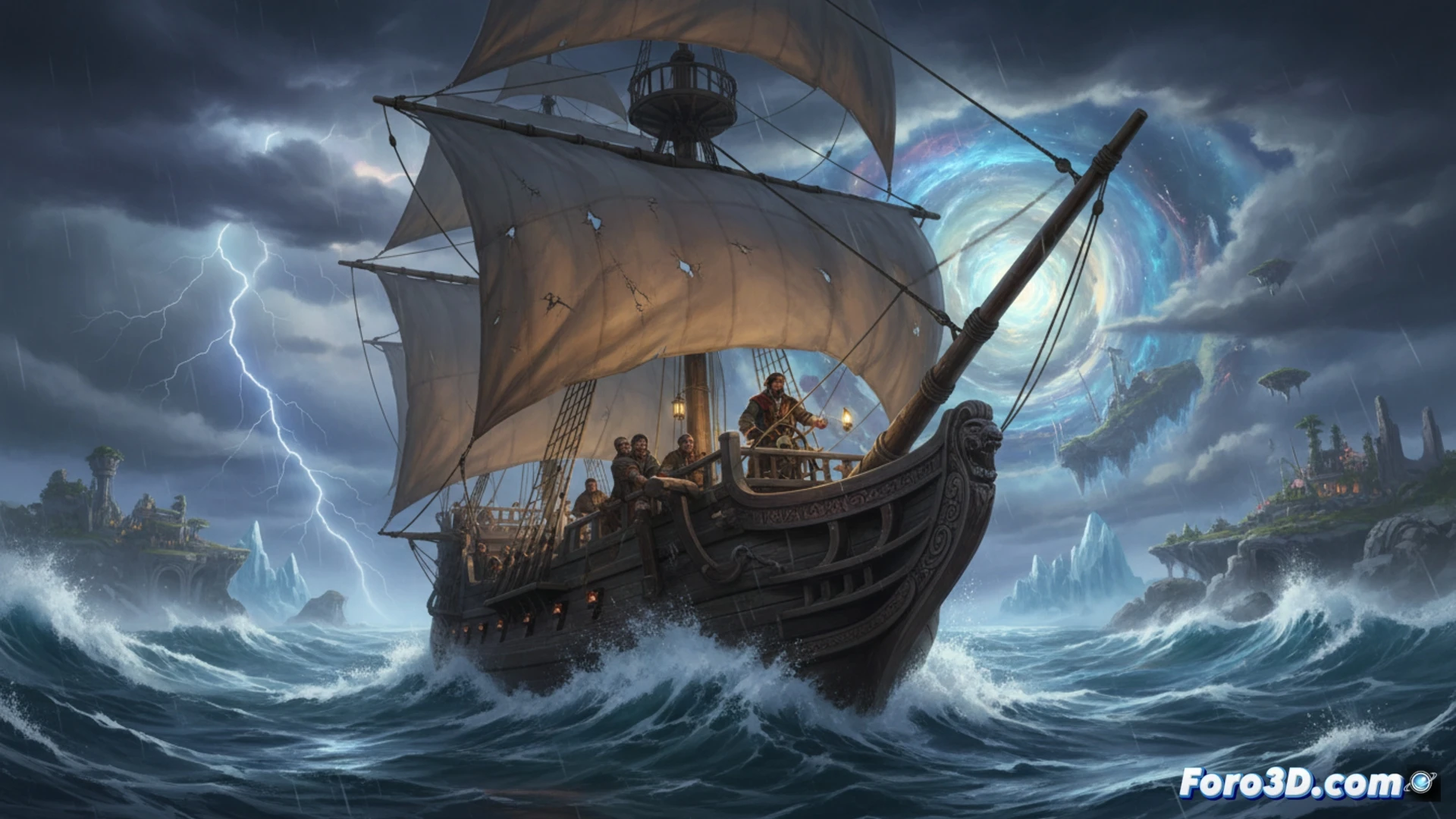
The engine of the expedition: naval technology and period navigation 🌊
The nao is sustained by shipwright carpentry, linen sails, and magnetized needle compasses. Sixteenth-century shipbuilding involved calculations of draft and resistance, using woods like oak and pine. Astronomical navigation with astrolabes and portolan charts allowed plotting uncertain routes. Every technical element, from the sternpost rudder to the pulley system, defined survival in hostile seas.
Spoiler: GPS didn't exist, and Wi-Fi even less 🧭
The crew relied on stars and currents, not Google Maps. If today we lose coverage in a tunnel, imagine crossing the Atlantic without knowing if you'll fall off the edge of the world. That said, at least they didn't have to worry about their phone battery. The biggest drama was a mutiny over moldy biscuits, not a lack of signal.