The new version of The Mummy, directed by Lee Cronin and starring Laia Costa, presents a fascinating visual challenge. The plot, which follows a nurse whose daughter returns from Egypt with a devastating ancestral curse, demands a powerful visual narrative. This is where modern 3D tools become an indispensable ally, allowing the shaping of abstract concepts like physical and mental deterioration or an ancient curse before the camera starts rolling.
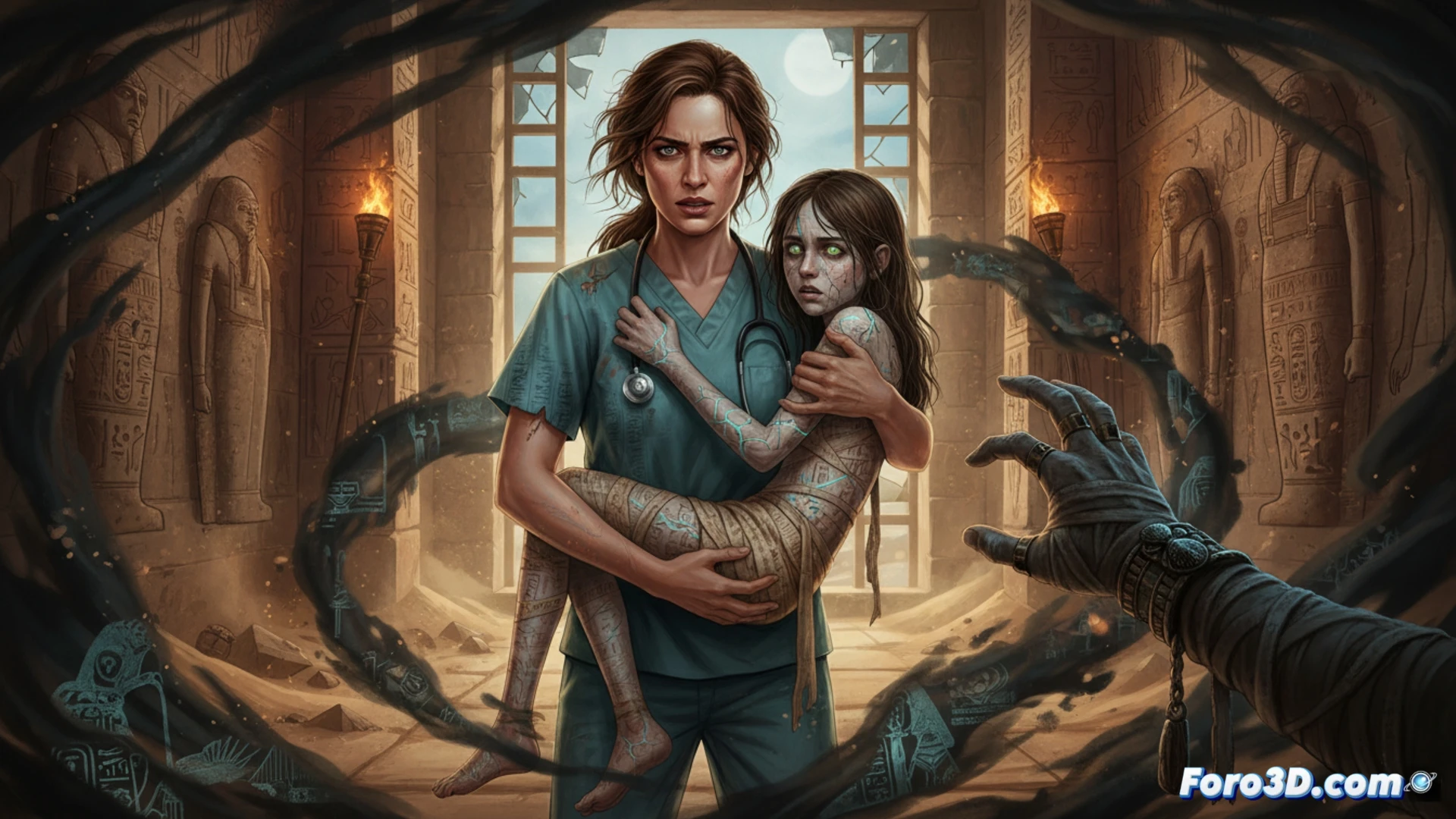
Previsualization and Design: Planning the Horror 🎬
In a production like this, 3D previsualization is crucial. The director and their team can build digital sets and block entire sequences, especially those involving complex special effects or the progressive transformation of the daughter. Creature design and 3D storyboards allow for experimenting with the curse's appearance, testing different levels of bodily deterioration and expressions that blend the human with the ancestral. This not only saves time and costs during filming but also provides the actress, Laia Costa, with a clear visual reference for her portrayal of Larissa, the mother in crisis.
Beyond the Effect: Narrative with Pixels 🧩
3D technology transcends the mere creation of monsters. Its true value lies in its ability to strengthen the narrative. By visualizing the evolution of the horror beforehand, from the initial subtle changes to the climax, it ensures that every visual effect serves the emotional story. In The Mummy, these tools help translate psychological terror and family struggle into a coherent and deeply unsettling visual language, where the digital and the performative merge to move the audience.
How can current 3D technology, from organic modeling to atmospheric lighting, reinvent the iconography and physical terror of a classic monster like the mummy for a contemporary audience?
(PS: Previz in film is like a storyboard, but with more chances for the director to change their mind.)