The ad blocker business has created a whitelist system where it decides which advertising deserves to be seen and which does not. This practice, far from being a neutral solution, replicates the same control they claim to fight: a few decide what information reaches the user, charging companies to appear on the permitted side of the web.
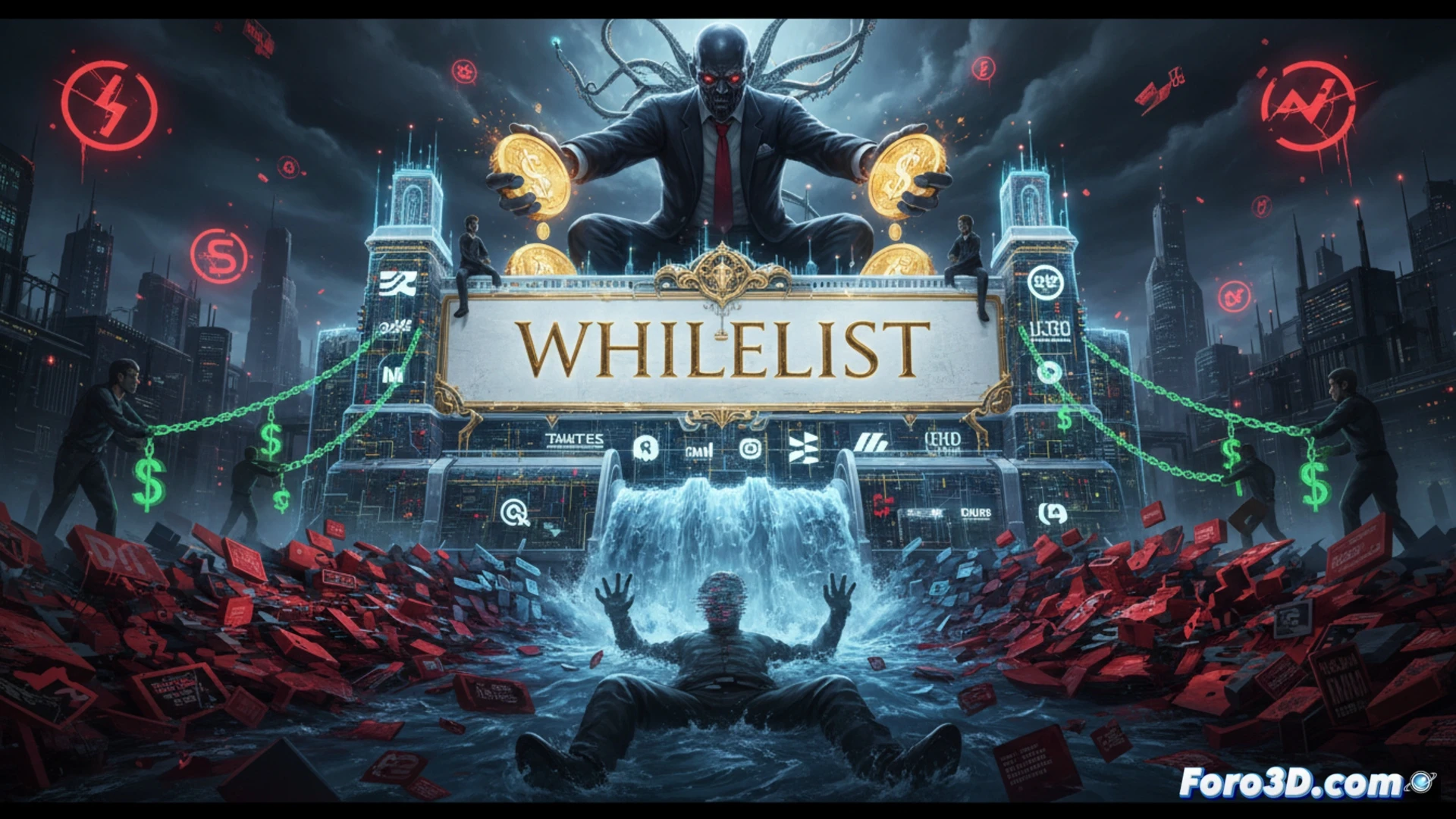
The filter as a business model in the web ecosystem 🔍
Technically, these blockers operate as proxies or extensions that intercept HTTP requests and compare domains with exclusion lists. The whitelist is a database of exceptions, often managed by companies like Acceptable Ads. For an advertiser, appearing on that list involves paying a fee, while the blocker receives recurring revenue. The end user loses real control over their browsing, delegating it to an intermediary with commercial interests.
Consented hijacking, or how to pay not to see ads 💸
It's like a neighbor offering to clean your mailbox of junk mail, but then charging you a toll every time a letter from the bank arrives. The user believes they have regained control of their screen, when in reality they have just changed landlords. In the end, everyone pays: the advertiser to get on the whitelist, and the user with their data, while the blocker smiles from the digital toll booth.