Four decades after the Chernobyl nuclear disaster, more than 30,000 Kazakhs who participated in the reactor cleanup face state abandonment. Sent to Ukraine in 1986 without adequate equipment, many developed serious illnesses. Today they fight to be recognized as official victims, a status that would grant them access to pensions and basic healthcare.
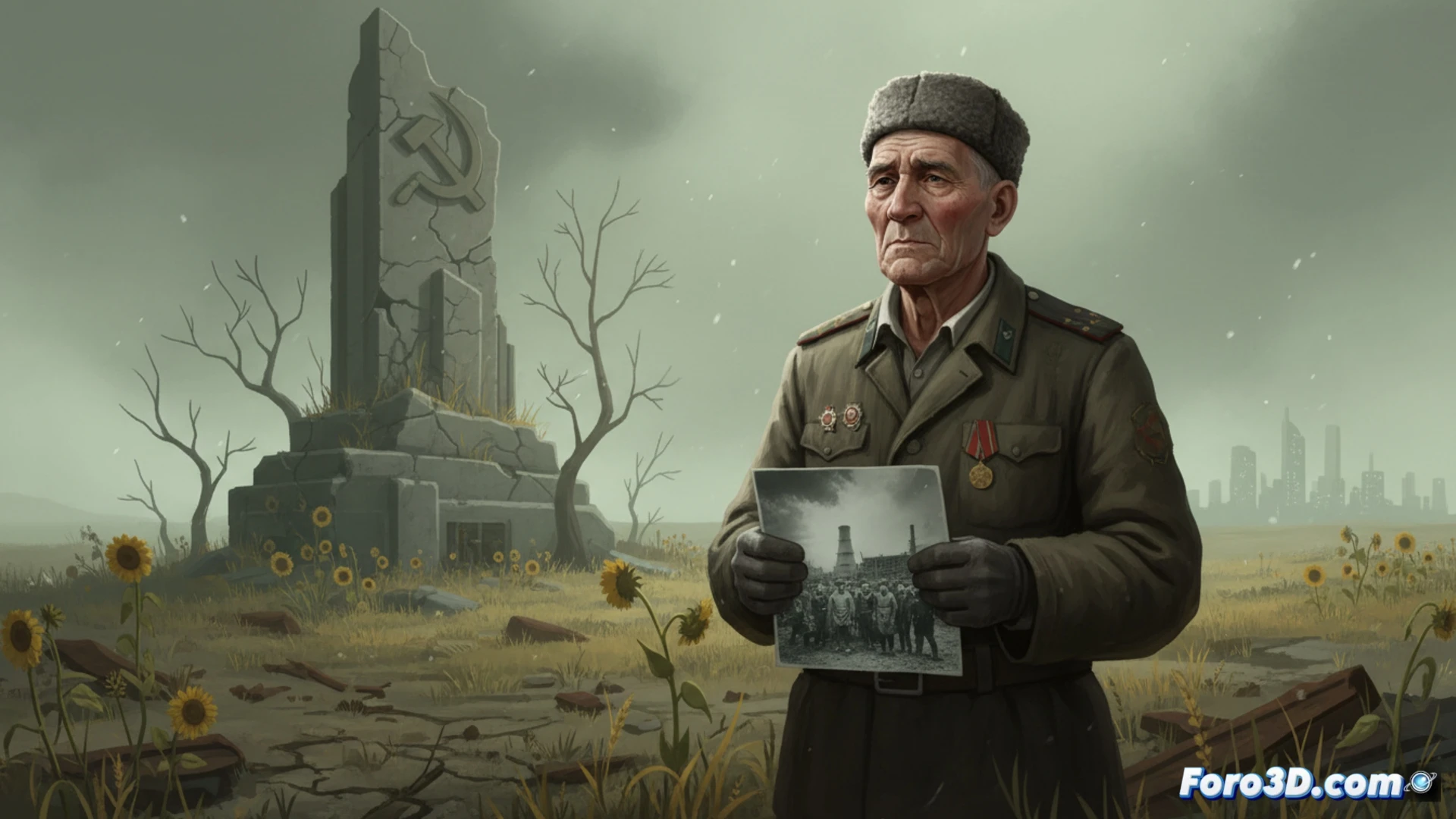
The technical legacy of a poorly managed disaster ☢️
The Soviet response to the accident lacked modern safety protocols. The liquidators worked with rudimentary dosimeters and insufficient protective clothing. Technically, exposure to isotopes such as cesium-137 and iodine-131 was measured at levels that would be considered critical in any nuclear plant today. The lack of systematic medical records and the disappearance of files after the dissolution of the USSR complicate damage verification, leaving these workers without technical evidence to support their claims.
Consolation prize: a certificate and a lot of radiation 🎖️
The Kazakh liquidators received commemorative medals and a pat on the back. The current government offers symbolic recognition, but bureaucratic procedures are so slow that some veterans joke: they would have preferred a decent protective suit to a signed diploma. At least the diploma doesn't emit radiation, although its administrative value shines as brightly as a Geiger counter in a nuclear dump.