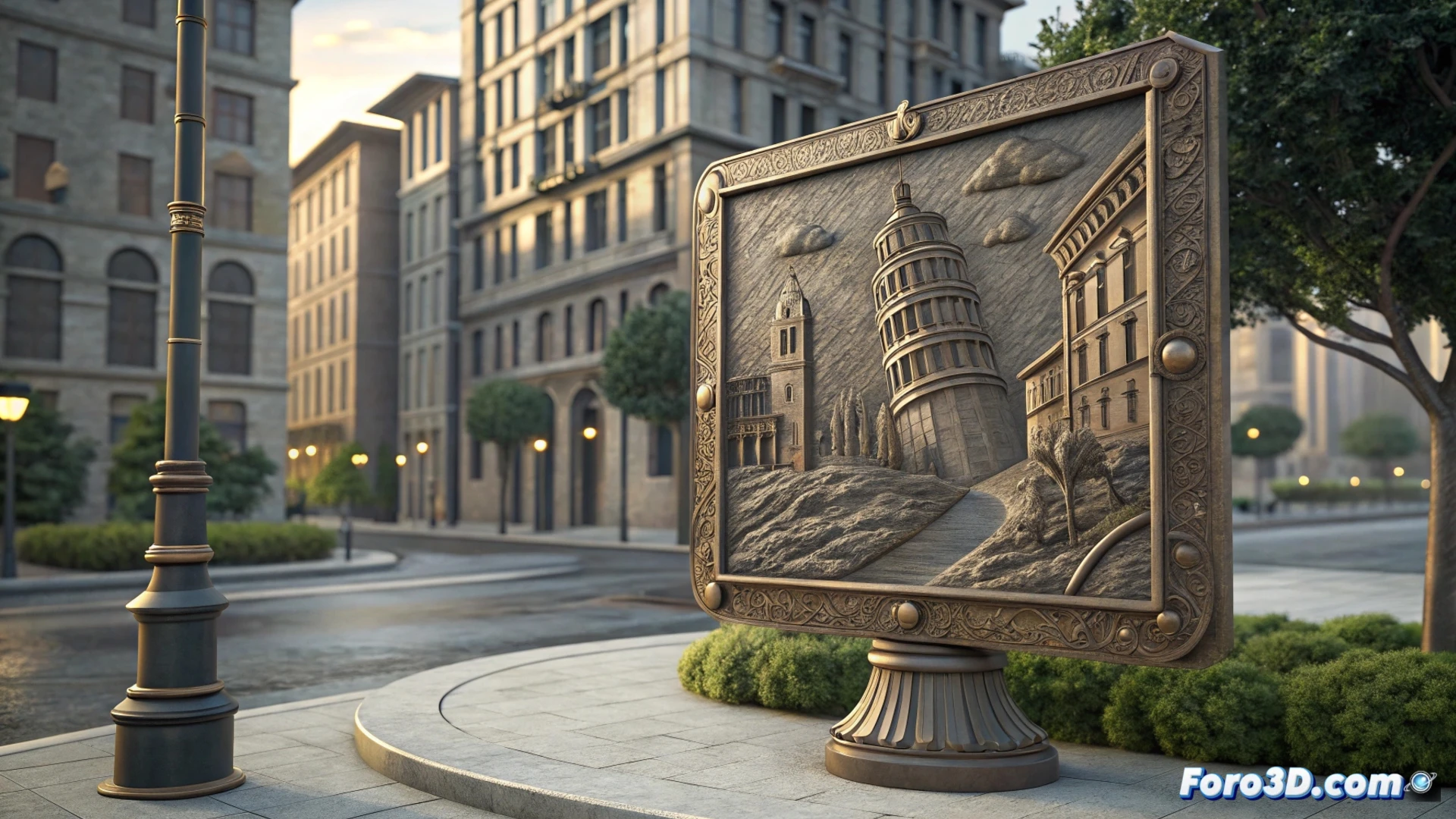
On April 30, 1986, Italy took its first step into the digital era. From the National University Center for Electronic Computing (Cnuce) in Pisa, the country's first internet connection was established. A plaque on via Santa Maria commemorates this moment, and Andrea Lenzi, president of the CNR, emphasized the role of public research in Italy's digital transformation.
The technical infrastructure behind Italy's first node 🌐
The connection was established via a satellite link that connected Pisa with the US ARPANET network. The Cnuce, equipped with IBM systems and mainframes of the time, acted as a gateway. The National Research Council (CNR) drove this development, using TCP/IP protocols in an academic environment. There were no big announcements, just engineers and data lines that changed the country.
When Italy connected... and nobody noticed 🤯
While in 1986 Italians were debating about the World Cup and the first Walkmans, a group of technicians in Pisa achieved what today seems like magic: sending data without using a fax. The commemorative plaque is a reminder that, before memes and social media, there were people who fought against cables and noisy modems. Almost as epic as finding free WiFi.