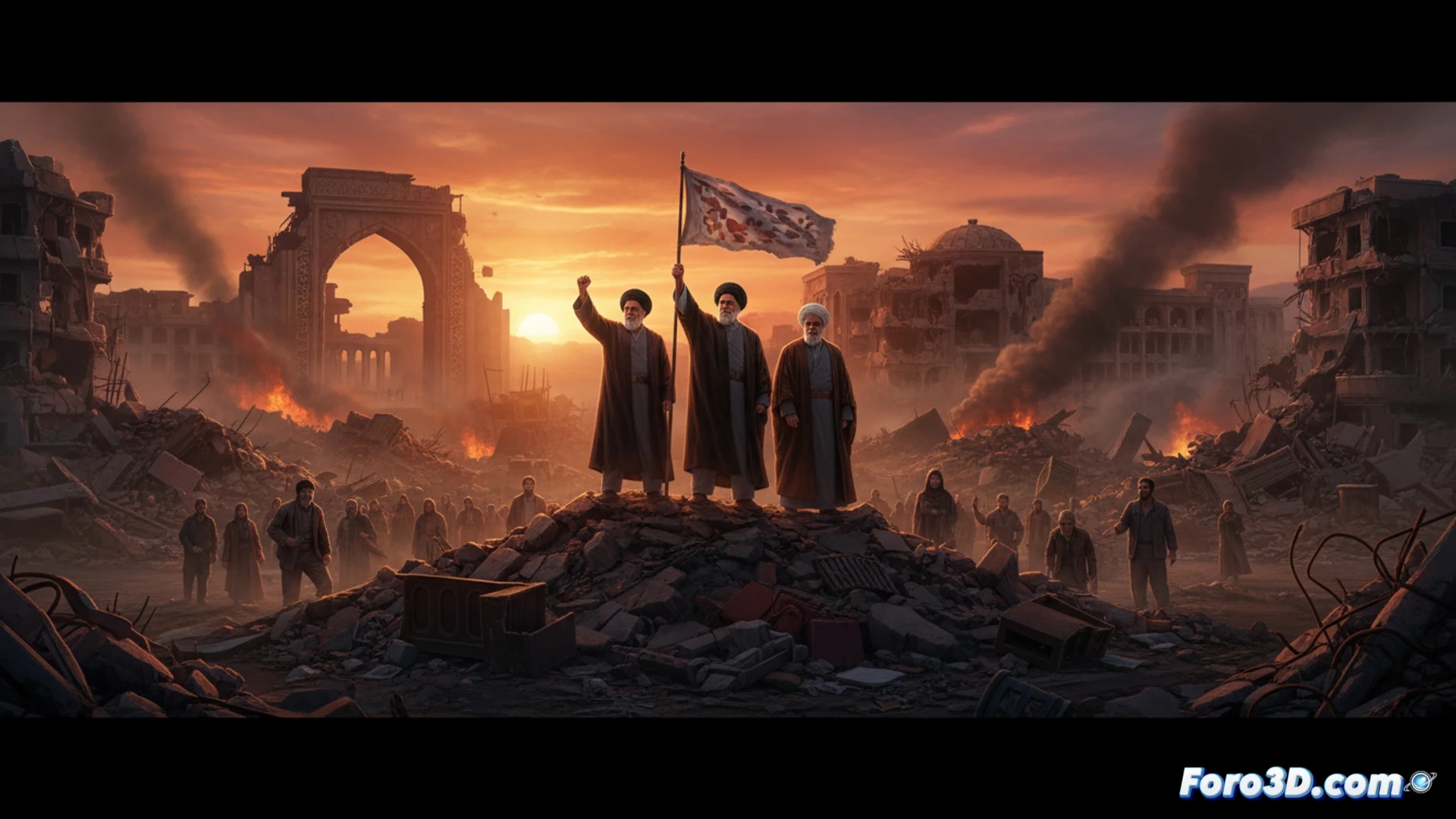
Gilles Paris's analysis in Le Monde portrays an Iran that, despite its capacity for resistance, emerges devastated after the conflict of February 28. New leaders as inflexible as the previous ones maintain control, but the war has accelerated the erosion of an already fragile regime. The irony is that a potential diplomatic victory against Trump would be celebrated amidst the rubble.
Defense Technology: The Cost of Maintaining Obsolete Hardware 🛡️
The Iranian regime has relied on air defense systems and missiles from previous decades, many based on Russian and Chinese technology from the 1990s. The recent war highlighted the difficulty of keeping this equipment operational without access to original spare parts. Local reverse engineering has allowed for patches, but the obsolescence of critical components, such as radars and guidance systems, reduces real effectiveness. Each conflict accelerates the wear and tear of an arsenal that can no longer be renewed at the necessary pace.
Diplomatic Victory: The Art of Winning While Losing Everything ♟️
Imagine the scene: Iranian leaders toast with tea over an agreement with Trump while contemplating a landscape of collapsed buildings. It would be like winning a chess championship but with the board on fire and the pieces melted. The paradox is perfect: celebrating a political triumph that does not hide the fact that the country looks like a car whose rearview mirror was replaced while the engine explodes. Sure, the mirror remains impeccable.