The writing system of the Indus Valley Civilization, found on seals and artifacts from Harappa and Mohenjo-Daro, has remained undeciphered for centuries. It is one of the greatest enigmas in archaeology. Now, new approaches combining artificial intelligence and computational pattern analysis are generating significant advances. These methods offer real hope of finally interpreting this system of symbols.
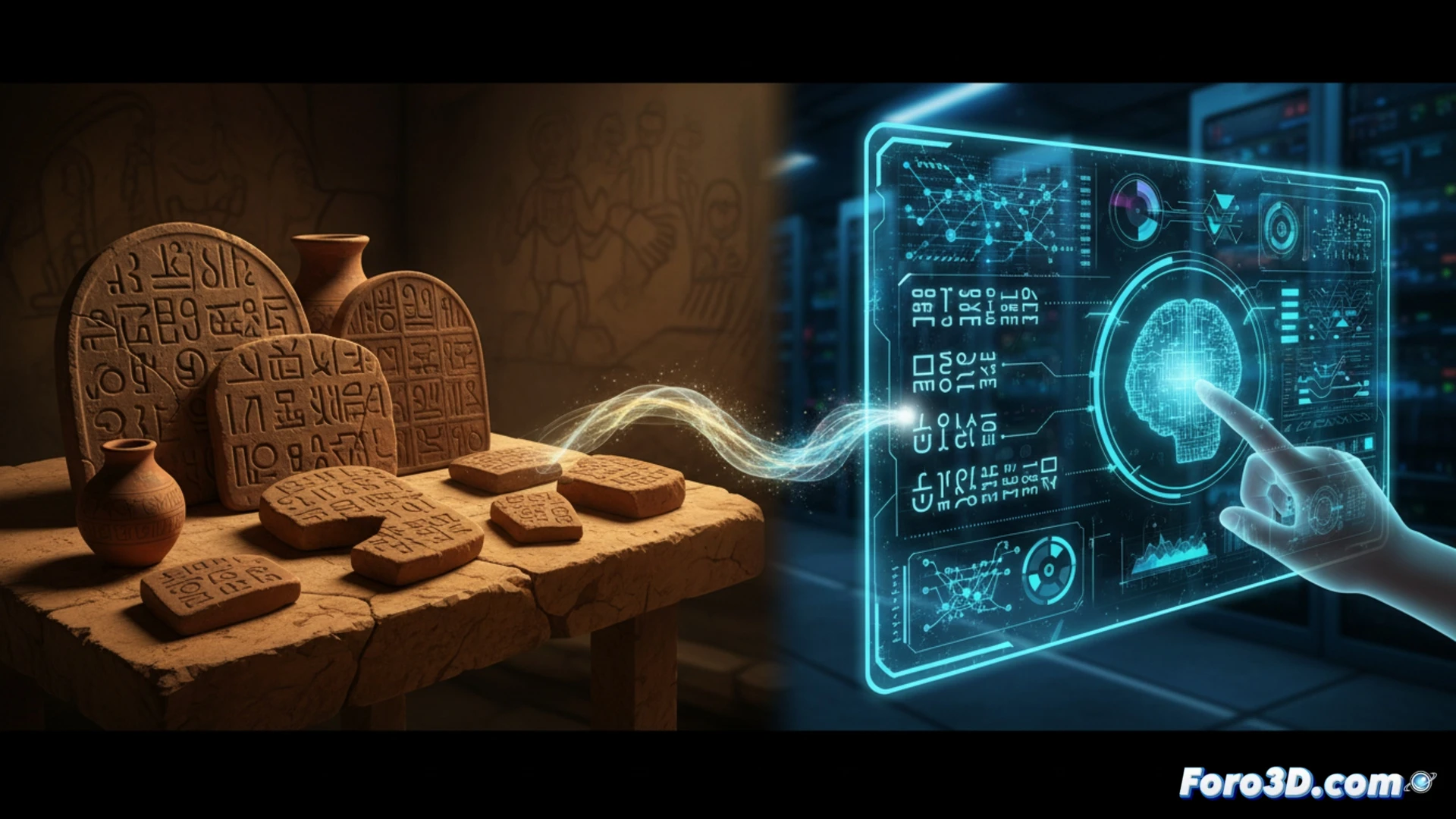
Pattern analysis and probabilistic models applied to the symbols 🤖
Research teams are not looking for a Rosetta Stone, but for statistical patterns. They use neural network models to analyze the frequency, position, and sequence of signs in thousands of inscriptions. AI examines the probability that certain symbols appear together, attempting to identify linguistic structures such as prefixes or suffixes. This computational process tries to determine whether the writing encodes a language, and what kind, something that traditional human analysis had not been able to conclusively confirm.
And we thought it was the instruction manual for a seal 😄
After so much time, one starts to think about less academic theories. Perhaps it is not an epic, but the shopping list of a Bronze Age merchant. Or the first record of complaints to a potter about defective vessels. They could even be the names of the first internet trolls, carved for eternity. AI will have to filter out a lot of noise to find the serious message among what could well have been ancient graffiti or property tags.