A recent analysis by Deloitte proposes a narrative shift: artificial intelligence, far from being a threat to the power grid, could become its savior. It is estimated that by 2030 it will optimize global systems, saving more than 3,700 TWh, almost four times the current consumption of all data centers. However, the immediate reality is more complex.
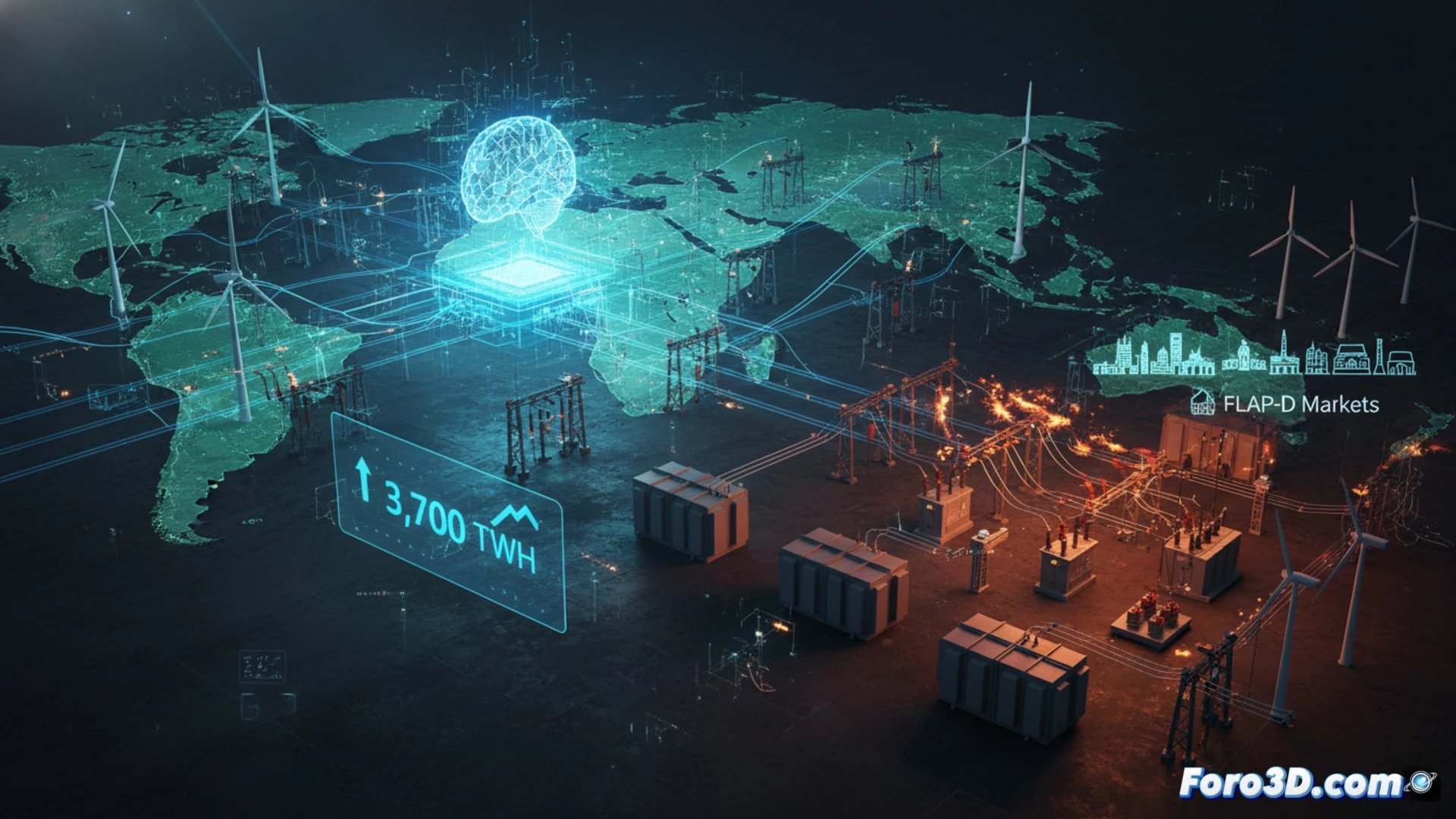
Saturation in FLAP-D: the transformer bottleneck ⚡
The urgent problem is not AI, but the outdated infrastructure in the FLAP-D markets (Frankfurt, London, Amsterdam, Paris, and Dublin). The lack of transformers and the shortage of clean energy capacity are saturating the grids. While data centers grow, electrical connections are not keeping pace. The technical solution involves modernizing substations and speeding up permit bureaucracy, something that seems slower than training a language model.
The energy miracle: saving four times what you consume 🔋
According to Deloitte, AI will save us by saving 3,700 TWh, a figure that sounds like magic. But in the meantime, in Frankfurt the transformers are smoking, and in Dublin data centers compete for every joule. It's like promising that an electric car will save you gasoline while you push it uphill because there's no battery. The irony is that the solution already exists, but the grid is taking a coffee break.