In the realm of 3D hardware, mobility is a challenge. We analyze the Honor WIN H9 not as an ordinary smartphone, but as a potential companion for digital artists. Its promise of a wide screen, high-end processor, and long-lasting battery positions it for visualization tasks, light editing, and project reviews on the go. We evaluate whether its technical specifications translate into practical performance for basic 3D workflows. 📱
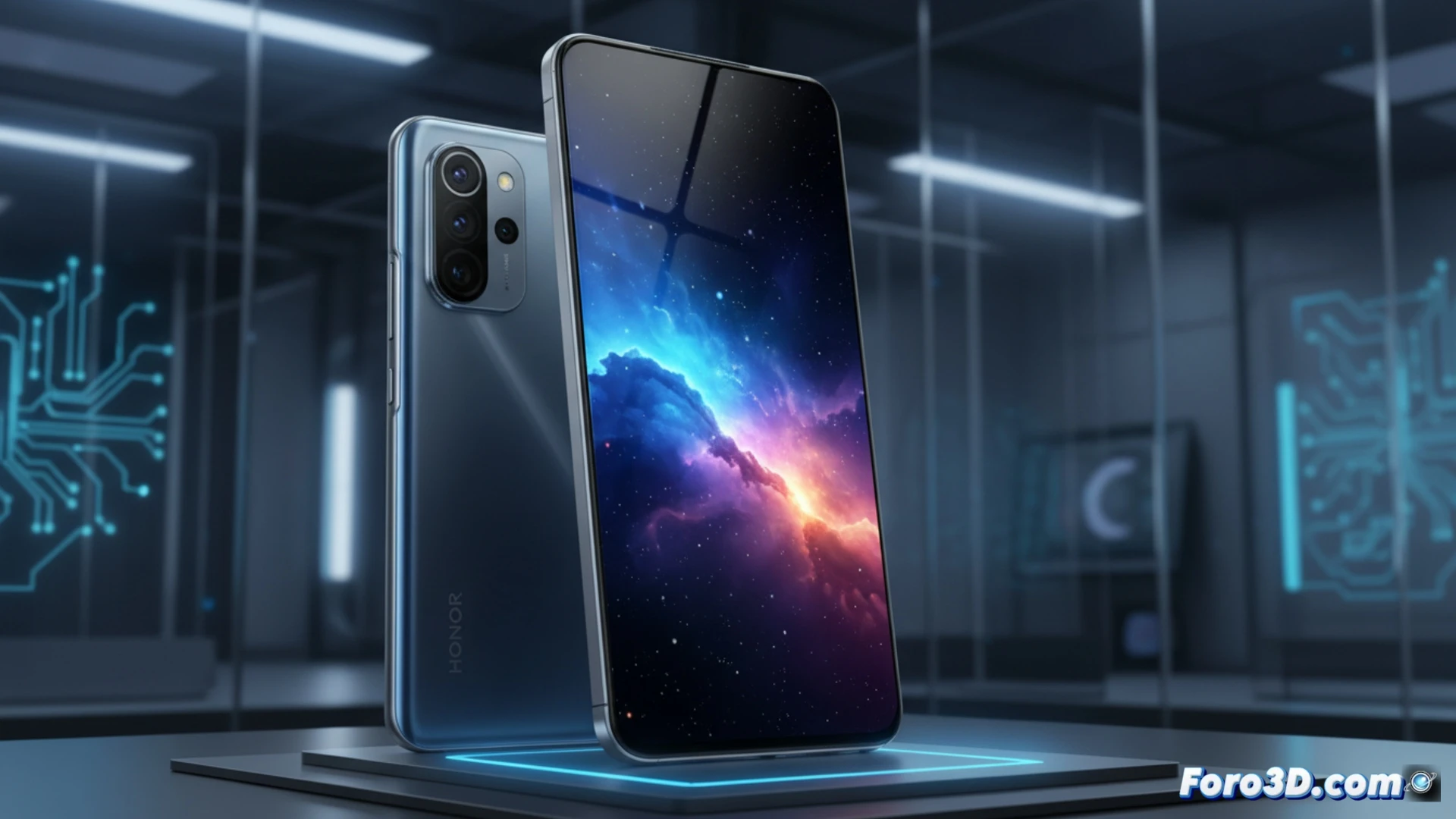
Technical analysis for modeling and texturing workflows 🔍
The high-resolution, generously sized screen is the strong point for viewing models in detail, although its factory color calibration is critical for reviewing textures. The powerful processor and sufficient RAM could handle light 3D sculpting applications or asset visualization software, but they do not replace a dedicated GPU for complex renders. 5G connectivity and fast transfer speeds are key for downloading or sending heavy files from the cloud. The high-resolution camera emerges as an interesting tool for capturing references or performing basic photogrammetry of objects, useful as a base for modeling.
Conclusion: A complement, not a replacement ⚖️
The Honor WIN H9 shapes up to be a valuable complementary device for mobile 3D artists. It is excellent for presentations, quick reviews, reference capture, and urgent editing outside the studio. However, its limitations in sustained cooling and GPU power keep it from being a primary workstation. For those needing mobility for specific tasks in the 3D pipeline, it is a solid option, as long as expectations are realistic.
Can the Honor WIN H9, with its high-performance hardware, overcome thermal and battery limitations to run modeling and 3D rendering software smoothly on the go?
(PS: If your computer smokes when opening Blender, you might need more than a fan and faith)