The Kyrgyzstan-based cryptocurrency exchange Grinex announced the suspension of all its operations. The decision comes after a cyberattack that resulted in the theft of 13.74 million dollars. The platform, already sanctioned by the UK and the US, attributes the attack to Western intelligence agencies, describing it as a large-scale operation with their characteristic signature. This incident underscores how geopolitics and crypto cybersecurity are increasingly intertwined. 💥
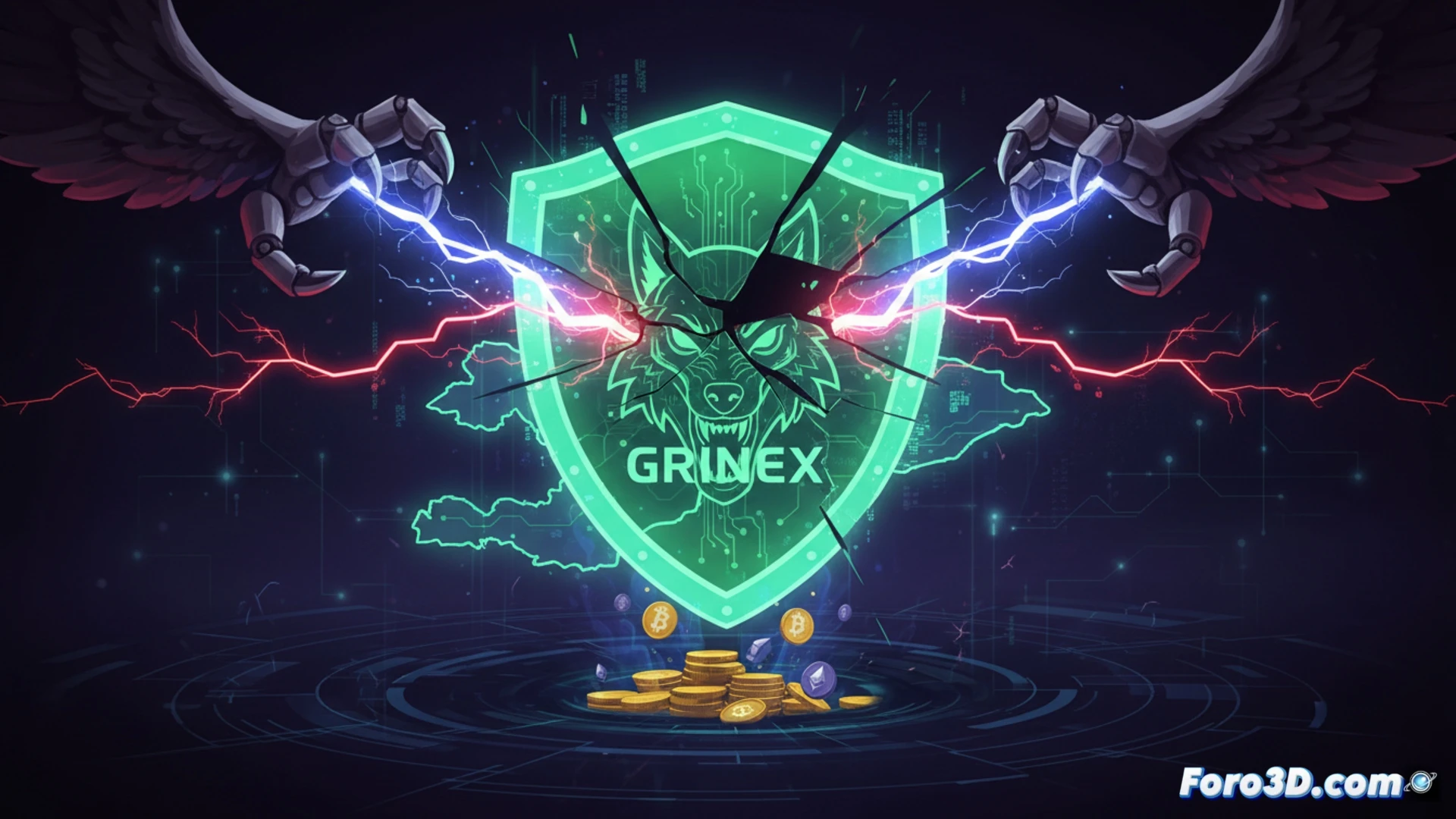
The Technical Challenge of Hardening Exchanges Under Geopolitical Pressure 🛡️
From a technical perspective, this case exposes the vulnerability of exchanges operating in conflictive jurisdictions. The security architecture, which must protect hot and cold wallets, authorization systems, and nodes, faces state-level threats. These actors possess sophisticated attack resources and techniques, such as advanced social engineering or zero-day exploits, that surpass conventional defenses. Developing resilient systems requires a layered security approach and constant audits, a greater challenge when the platform itself is a political target.
A Bad Day at the Office: When Your Worst Bug Report Comes with an Official Seal 🐛
Imagine the sprint planning at Grinex. The dev team has their tickets: optimize fees, improve the UI. Suddenly, a top-priority issue arrives: Massive loss of funds. Attributed to foreign intelligence agencies. It's not a common bug, it's a feature request from geopolitics. The most extreme pentest possible, without warning and with zero chance to dispute the findings. The final report isn't written by an auditor, it's signed by a government. You almost feel sorry closing the ticket as cannot replicate.