A notable change is observed in the French business environment. Previously distant, important leaders of large companies are establishing contacts with the Rassemblement National. The stated goal is to try to shape the party's economic proposals, which is gaining ground in the polls. This pragmatic approach reflects an adaptation to a possible new political scenario, although it generates debate about the limits of dialogue.
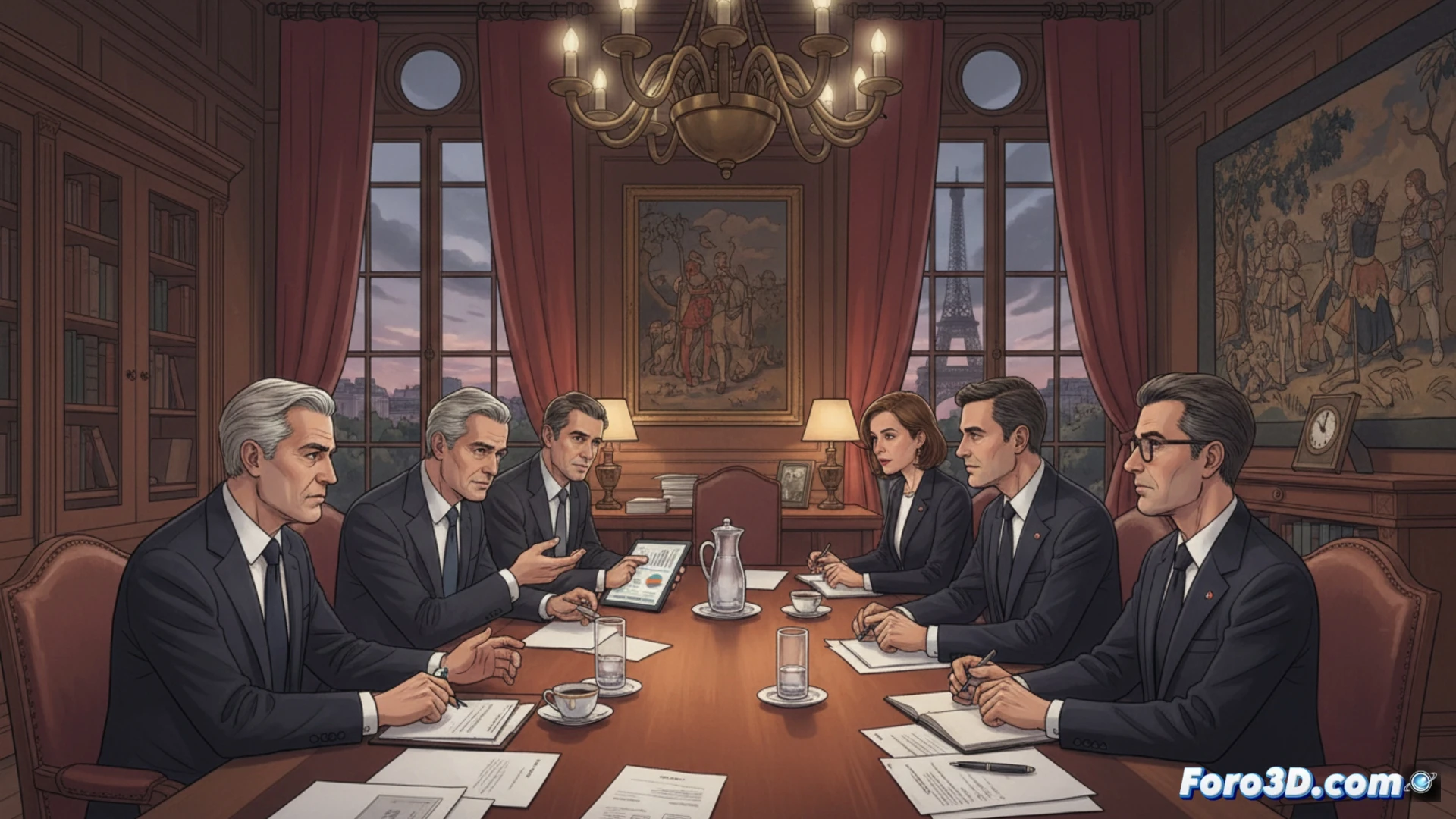
The algorithm of power: shaping policies in real time 🤖
This influence process resembles a complex feedback system. Business lobbies act as data inputs, transmitting their key variables: competitiveness, taxation, labor regulation. The political party processes that information, adjusting its program like an algorithm seeking to optimize its electoral appeal. The result is an economic proposal in continuous iteration, where the source code is sectoral interests and the final compilation depends on the vote.
Survival guide for CEOs in political no-man's land 🎮
The situation recalls those video game tutorials where your ally from the entire game turns hostile. The corporate procedure manual does not include this chapter. So it's time to improvise: forced smiles in meetings, studied body language to avoid appearing too enthusiastic, and a mental dictionary to translate populist slogans into Excel charts. The strategy is clear: if you can't defeat the final boss, at least try to make its attacks tax deductible.