The French government has taken a decisive step towards its digital sovereignty. According to recent reports, it has ordered all its ministries to present plans to abandon non-European software, including Windows, before the autumn of 2026. This strategy, coordinated by the DINUM agency, aims to replace operating systems, collaboration tools, and cloud services with local or European alternatives, marking a milestone in technological autonomy.
Beyond the operating system: a sovereign digital ecosystem 🛡️
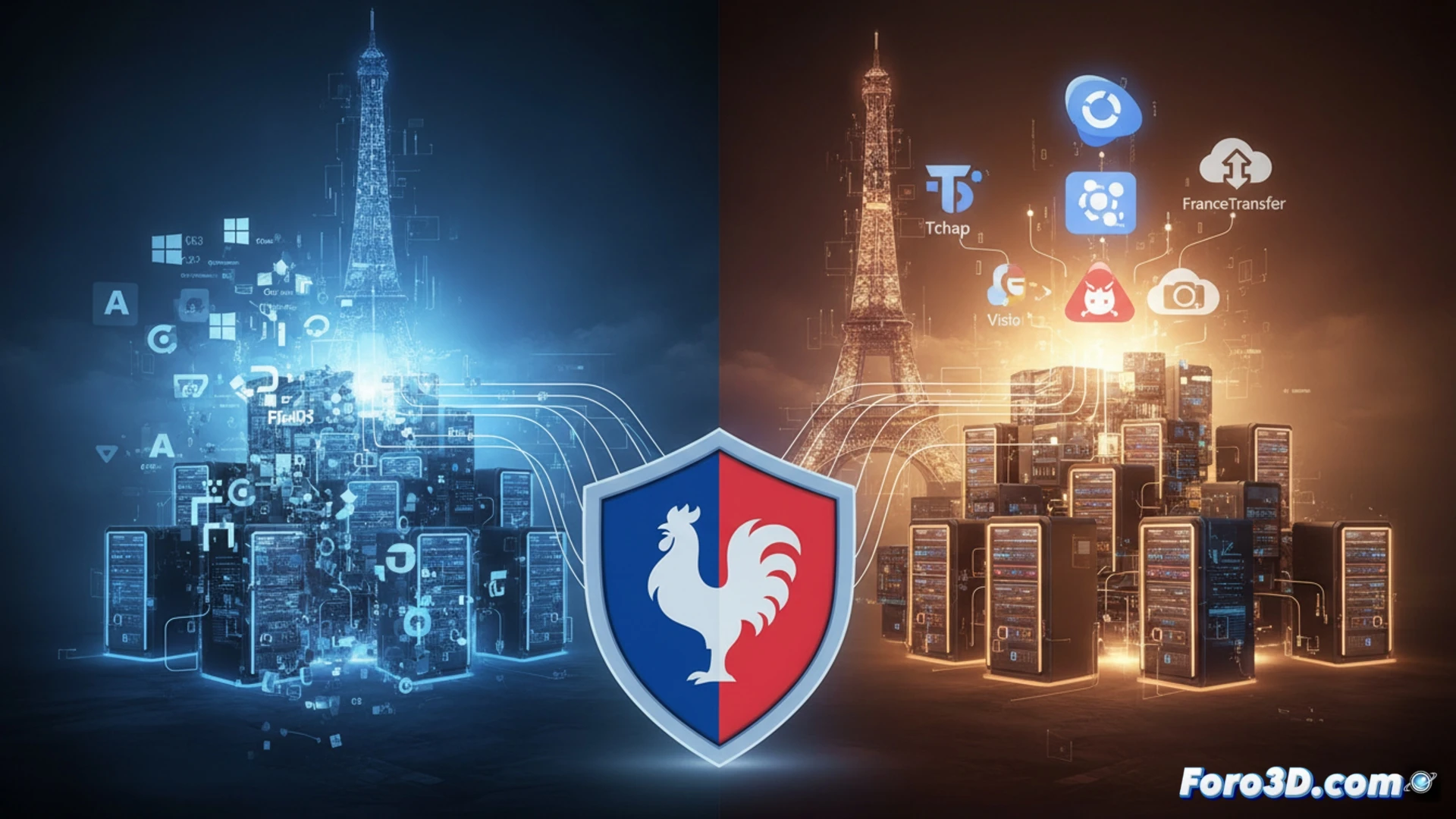
The French measure goes far beyond a simple migration from Windows to Linux. It is a comprehensive transformation of the state's technological stack. The plan covers collaboration tools, replacing Slack or Teams with Tchap and Visio; file transfer services, with FranceTransfer; and critical components of cybersecurity, artificial intelligence, and network infrastructure. This holistic approach aims to create a cohesive digital ecosystem, controlled and audited locally, reducing dependence on foreign providers and the associated geopolitical risks.
Geopolitics and regulation: the backdrop of the migration 🗺️
This decision is not isolated. It is the practical materialization of concepts like digital strategic autonomy, promoted by the EU, and aligns with regulatory frameworks such as the DMA and the DSA, which seek to limit the power of gatekeepers. France thus turns theory into action, using the State's purchasing power to foster a competitive and interoperable European digital market. The French case could be a model for other countries seeking to balance global innovation with national technological control.
Can the forced migration to European software and Linux in France become a replicable model for the technological sovereignty of other countries in the face of the dominance of US Big Tech?
(PS: trying to ban a nickname on the internet is like trying to block out the sun with a finger... but digitally)