A baby suffers a choking incident with a toy that exceeded standard size tests. The detached piece, seemingly legal, becomes the focus of a digital forensic investigation. This case reveals the gap between complying with a generic standard and ensuring the real safety of a child, opening a new front in digital compliance for the toy industry. 🧸
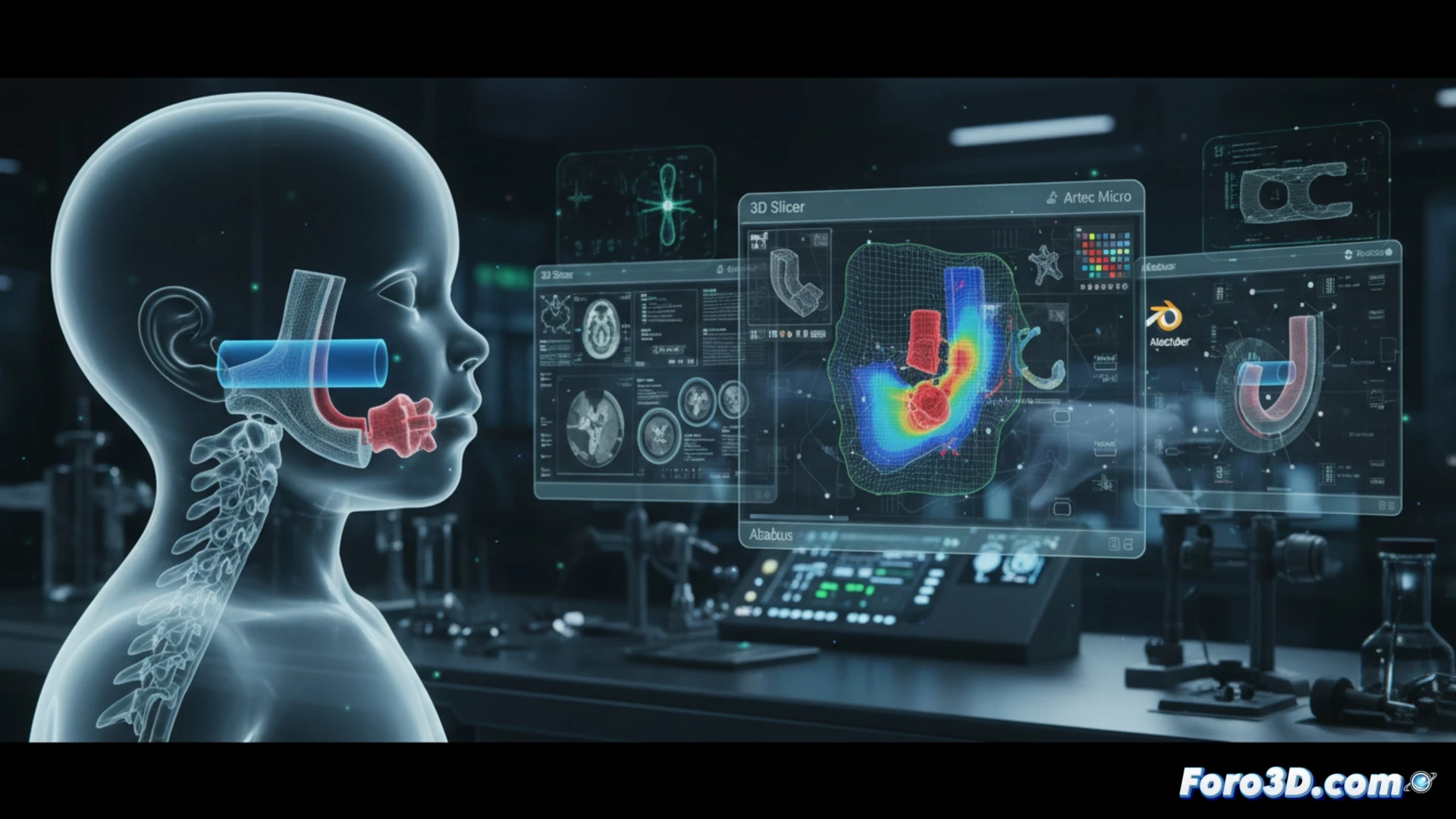
Forensic workflow: CT scan, scanning, and obstruction simulation 🔬
The process begins with scanning the detached piece using an Artec Micro, obtaining a high-precision mesh. Simultaneously, a CT scan of the child is processed in 3D Slicer to reconstruct their actual anatomy, including the trachea and pharynx. The normative airway model (test cylinder) is compared with the patient's exact anatomy. Using Abaqus, the passage of the piece through both models is simulated, calculating contact points and pressure. Blender is used to visualize the exact point of obstruction, demonstrating that the design, although legal, was intrinsically dangerous for the child's physiology.
Digital compliance: beyond the laboratory test ⚖️
This case demonstrates that certification based solely on rigid templates does not protect vulnerable groups. Forensic 3D simulation allows experts and compliance departments to validate products against real-world scenarios, not just minimum standards. Incorporating these techniques into design and verification processes could prevent future incidents, establishing a new standard of responsibility where safety is measured in millimeters of anatomical difference.
As a digital compliance expert, how should child safety regulations be reinterpreted to include forensic 3D simulation models that anticipate mechanical failures not detected by traditional size tests?
(PS: SCRA is like autosave: when you fail, you realize it existed)