The enigmatic gold figures of the Quimbaya culture, found in Colombia, are famous for their shape, which some associate with modern aircraft. This debate, beyond speculation, underscores a central problem in archaeology: the subjective interpretation of form. This is where digital archaeology demonstrates its value, offering tools for an objective examination that transcends simple observation.
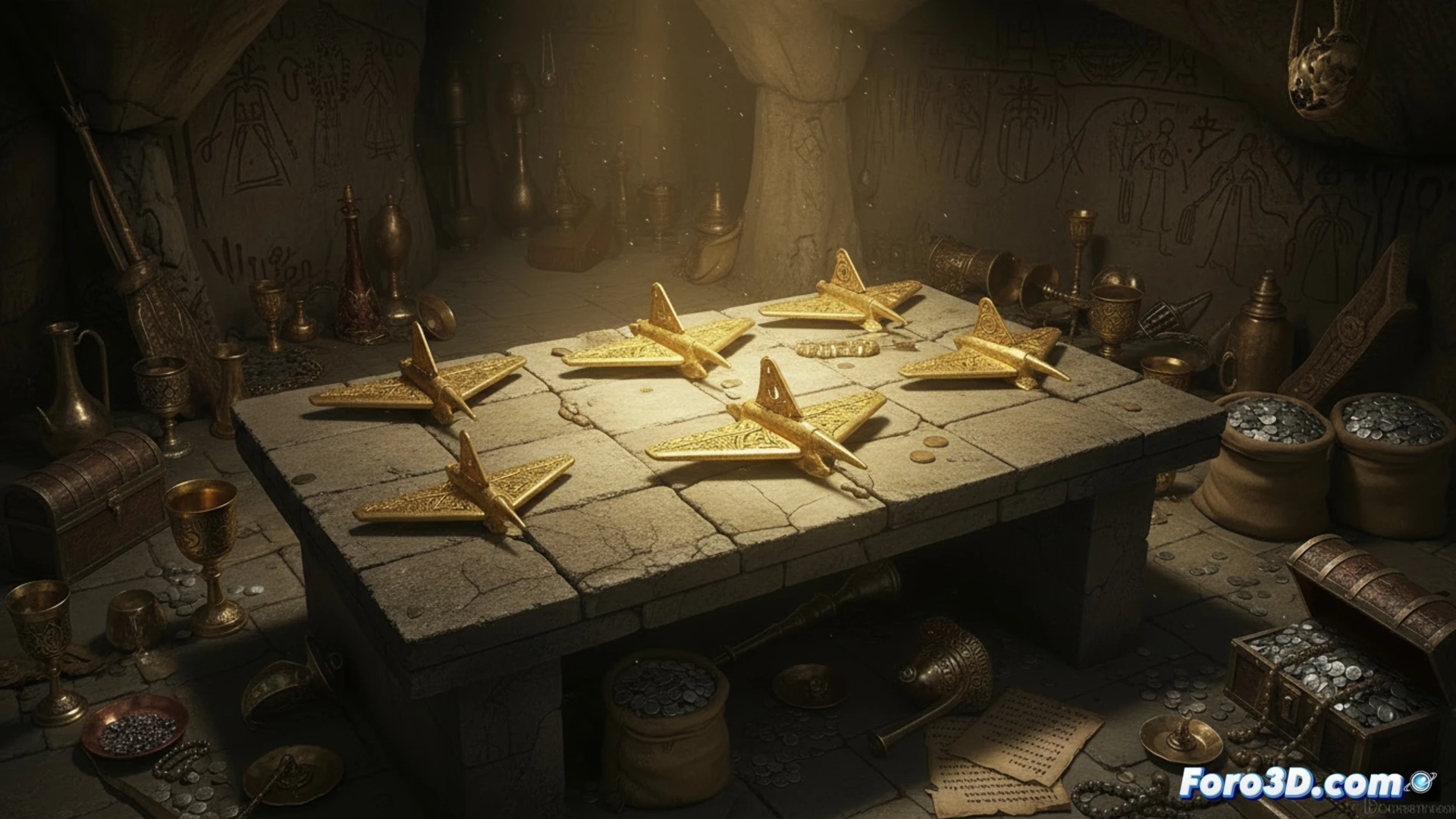
Photogrammetry and 3D scanning: debunking myths with data 🛸
The application of photogrammetry or 3D scanning to these pieces generates a precise, millimeter-accurate digital model. This asset allows for exact measurements, volume analysis, and symmetry studies impossible without handling the original. We can visually isolate elements, compare proportions with local fauna data or basic aerodynamics, obtaining conclusions based on geometry rather than impressions. The technology serves to document heritage and, at the same time, to separate scientific rigor from fantastical narratives.
Digital preservation and responsible dissemination 💾
Beyond the debate, the 3D model becomes a permanent preservation record, accessible to global researchers. It facilitates rigorous dissemination, allowing the public to interactively explore the artifact and understand its real cultural context. Technology does not solve mysteries on its own, but it provides the necessary data framework for archaeology to speak more clearly and avoid misinterpretations.
Can 3D analysis through photogrammetry and scanning objectively determine whether the aerodynamic shapes of the Quimbaya figures are the result of zoomorphic stylization or evidence of anomalous technical knowledge?
(PS: If you dig at a site and find a USB drive, don't plug it in: it could be Roman malware.)