German-Turkish filmmaker Fatih Akin transports us to the remote island of Amrum to narrate the final days of Nazism through the eyes of children. Far from the noise of battles, the film captures the children's capacity for observation and adaptation in an isolated environment, where Germany's defeat subtly filters through the natural beauty of the landscape. A lucid contrast between historical brutality and innocence.
Shooting on 35mm and naturalistic cinematography as narrative tools 🎥
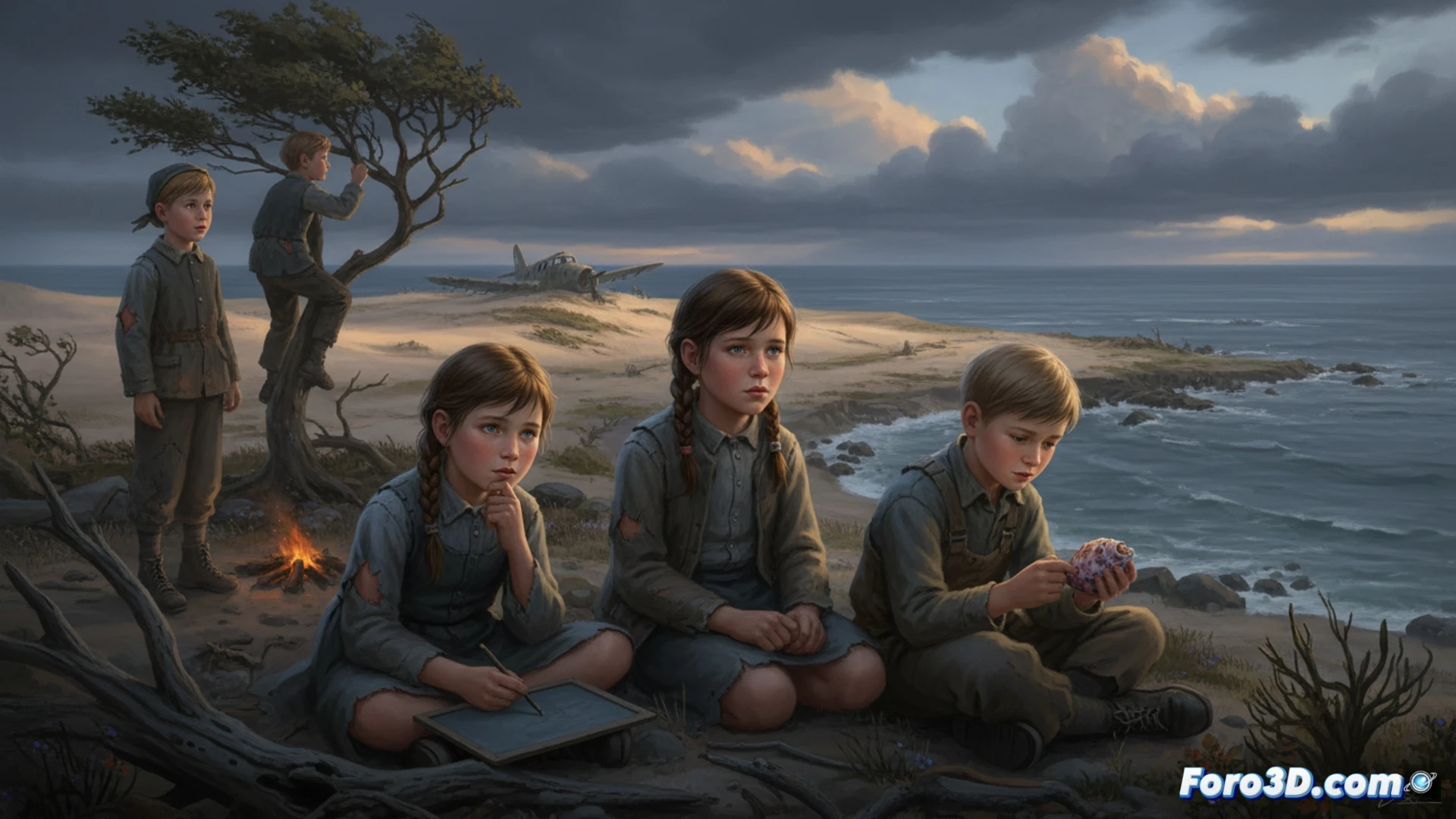
Akin opts for a technical approach that is anything but flashy: gentle handheld camera and wide shots that integrate the characters into the landscape of Amrum. The cinematography takes advantage of the North Sea's natural light, avoiding dramatic filters. This visual treatment reinforces the child's perspective, where the horrors of war are sensed rather than shown. Ambient sound, with wind and waves, replaces epic music, creating an atmosphere of restrained realism that enhances the narrative.
The island of Amrum: the quietest bunker in history 🏝️
While the Third Reich was crumbling, the children of Amrum were probably more concerned about who had taken the last cookie than about the fall of Berlin. The film suggests that, on an island, even the end of the world can seem like a distant rumor. Akin reminds us that, for a child, war is an annoying noise that interrupts bath time at the beach. A full-blown drama with a sea view.