In 1916, businessman Milton Hershey, famous for his chocolates, began a unique project in Cuba. He built an electric railway to transport sugar from his mill to Havana. This line also carried passengers, connecting towns and energizing the region. It was a pioneering work in sustainable transportation for its time, integrating industry and local development. Its story continues today, as a testament to engineering and collective memory.
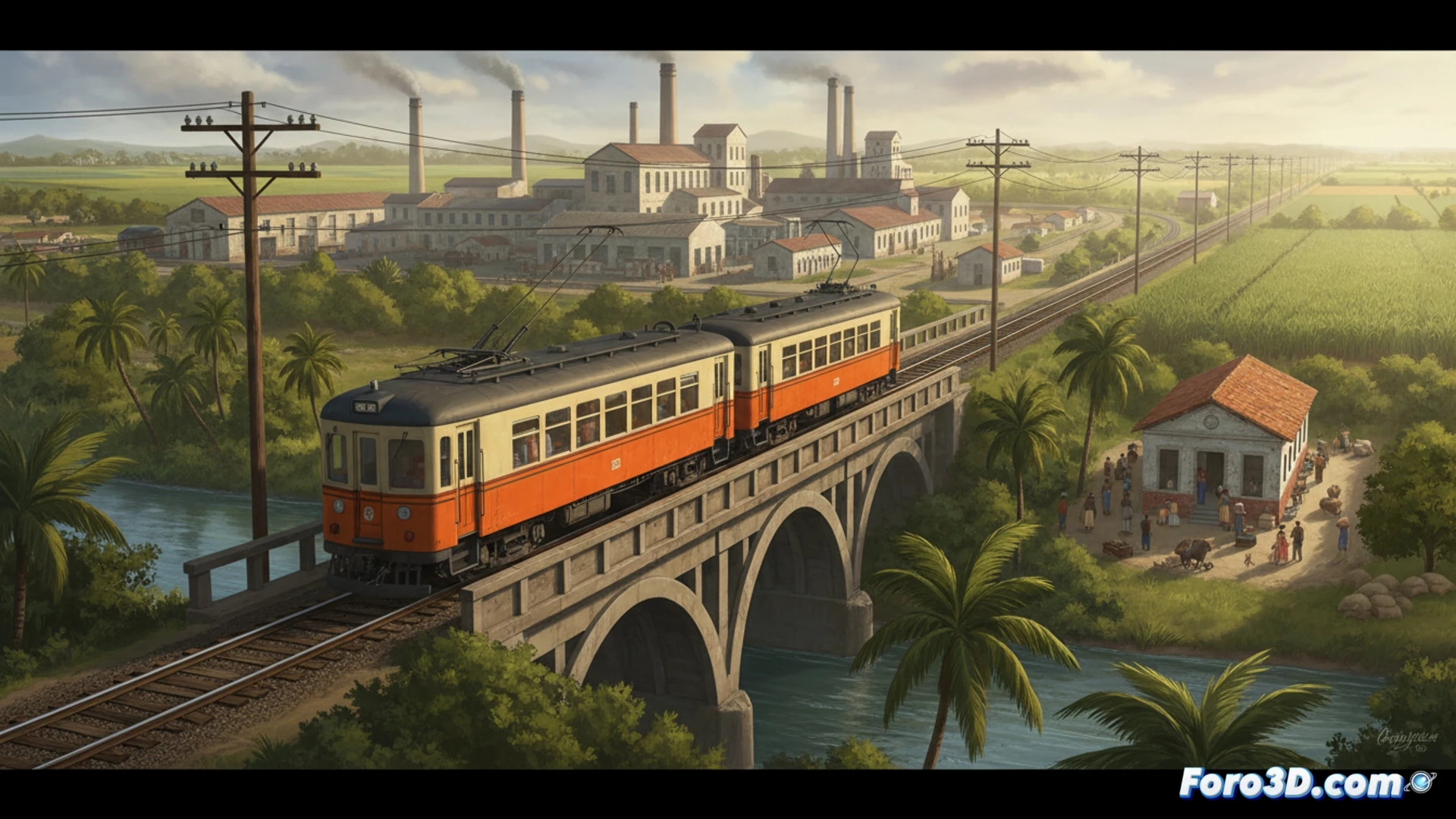
Infrastructure and Technology of a Pioneering Project 🛠️
The line featured complete infrastructure for its electric operation. Tracks were laid, stations were built, and robust bridges were constructed for the train's passage. Transformer substations provided the necessary power, an advanced system for the era. The design aimed for efficiency in transporting heavy sugar cargo, while serving rural communities along the route. This integration of industrial logistics and public service defined its technical and social character.
When the Chocolate Train Wasn't a Metaphor 🍫
Imagine boarding a train owned by the man who made the Hershey's Kiss famous. It wasn't a sweet ride in the literal sense, but it was unusual mobility sponsored by sugar. The passenger service was like a bonus track in the main business of transporting cane. Today, with its slow pace and certain vintage air, the journey evokes an era when a magnate solved transportation problems with the same determination with which he created a candy bar. A legacy that, against all odds, is still running.