Global warming is not only melting glaciers; it is also putting our healthcare system to the test. High temperatures and the lack of regular rainfall have created the perfect breeding ground for the tiger mosquito, a vector for dengue. This insect, once limited to warm areas, is now expanding into the northern peninsula, increasing the risk of autochthonous outbreaks in regions that believed themselves safe.
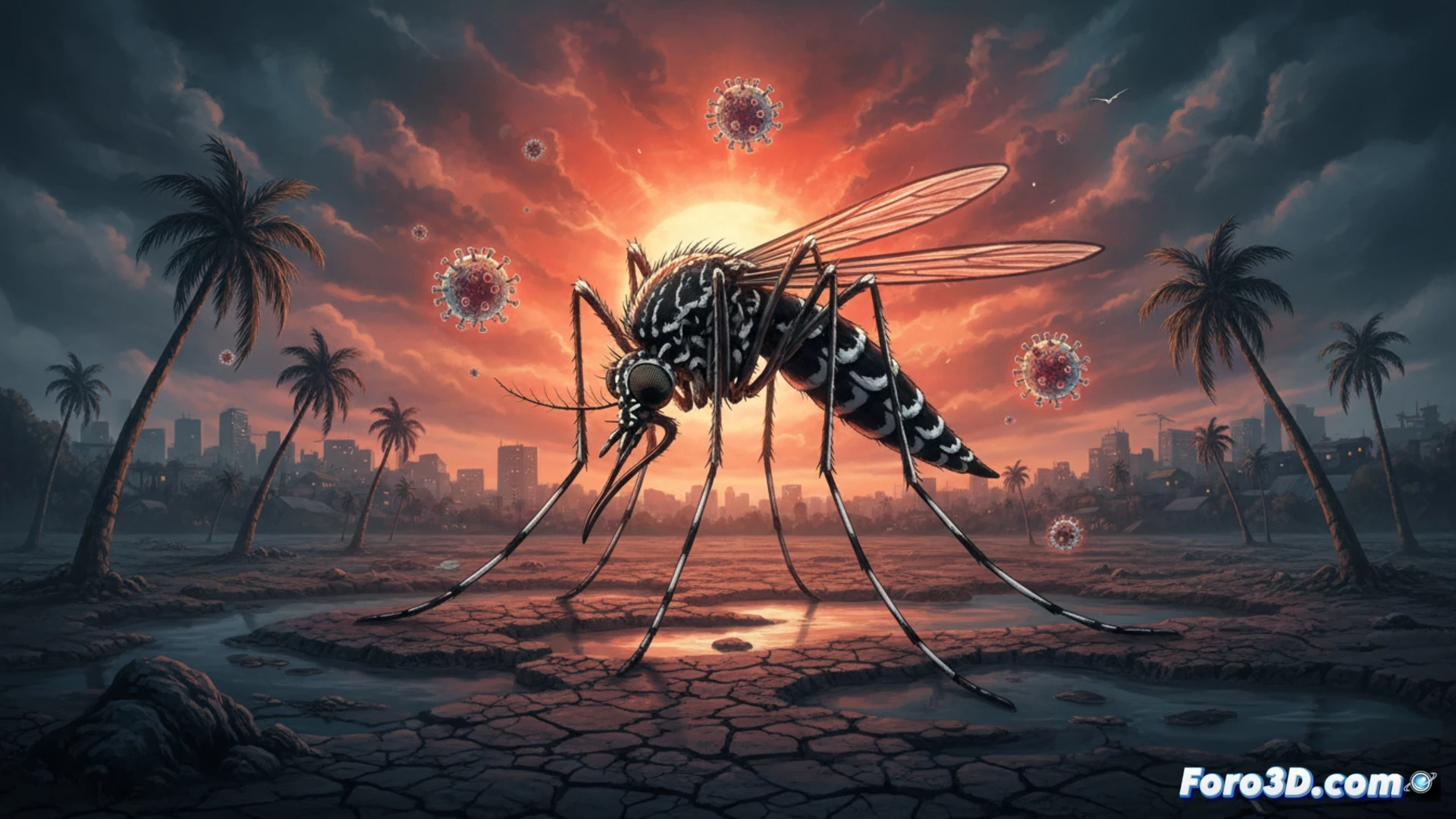
How mapping technology predicts mosquito hotspots 🗺️
Geographic information systems (GIS) and predictive models based on climate data allow entomologists to anticipate the expansion of Aedes albopictus. They analyze variables such as average temperature, humidity, and precipitation to generate dynamic risk maps. This data, combined with smart traps that record captures in real time, facilitates the planning of selective fumigations. The goal is to act before the mosquito's reproductive cycle becomes established in new urban areas.
The perfect summer: pool, sangria, and insect repellent 🍹
While the government calls for calm, tiger mosquitoes have already made their reservations on our terraces. It seems this year the national leisure plan includes a new sport: the hunt for the buzz. Forget about dining outdoors without first spraying yourself with the chemical arsenal of the day. At least, if you get bitten, you'll have an excuse not to go to the office. Climate change is gifting us a bonus of forced vacation days.