The U.S. Army Data Operations Center, known as ADOC, is in the testing phase with a singular focus. Its goal is not to centralize all military information, but to create a framework that allows access to dispersed data quickly and securely when needed. For the citizen, this could mean more efficient public management. The flip side is the inherent risks of complex systems.
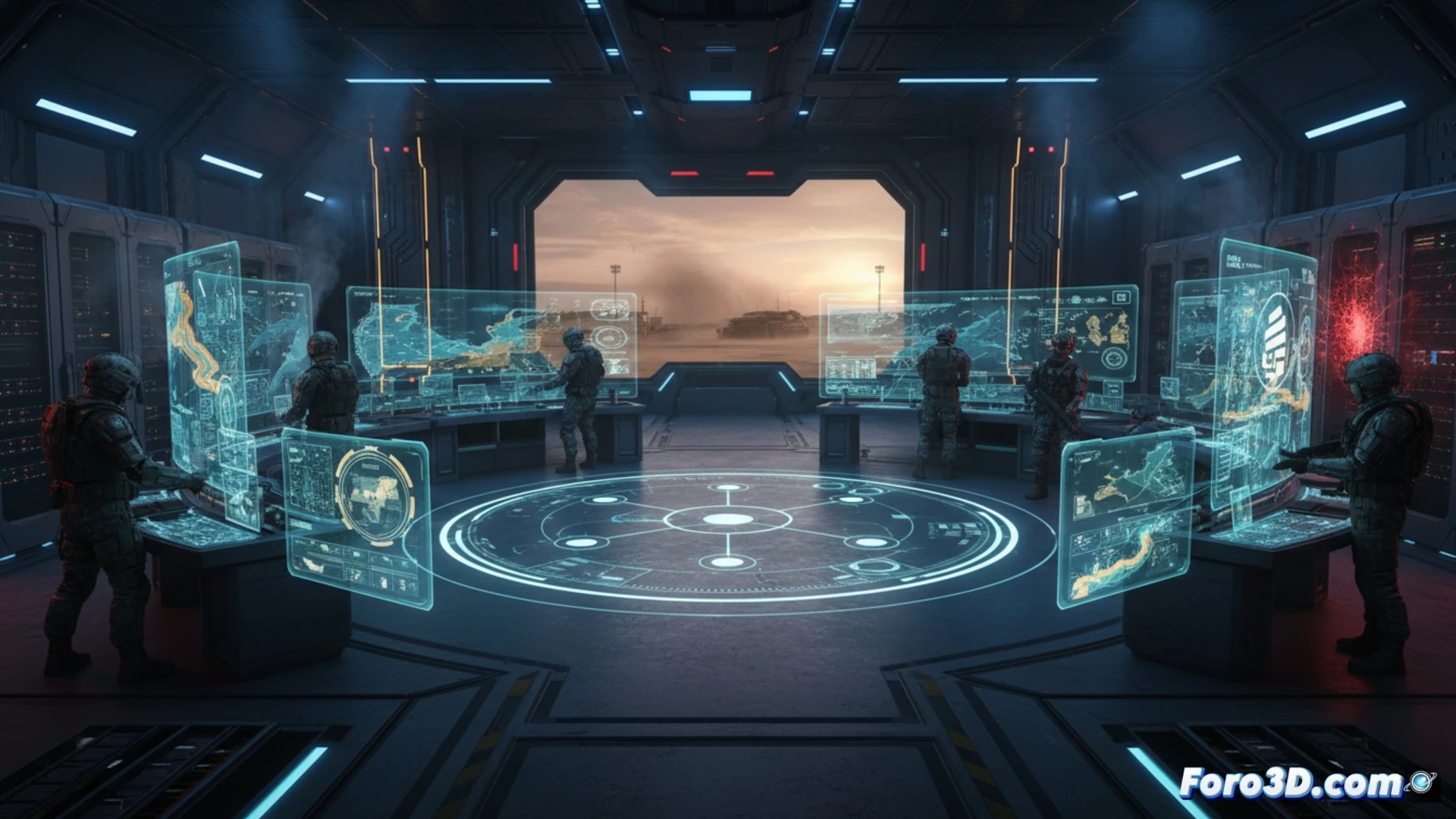
Federated Data Architecture and Interoperability 🧩
The key to the system lies in a federated data architecture. Instead of a single repository, protocols and standards are established that allow disparate systems to communicate and exchange information on demand. Secure application programming interfaces and enriched metadata are used to locate and access data without moving it from its source, maintaining decentralized control.
And Your Tax Folder is Still Lost in 2003 🗃️
It's paradoxical. While the military develops systems to find a tactical report in seconds among a thousand databases, a citizen can spend an entire afternoon trying to get two departments of the same local administration to pass along a simple certificate. It seems that cutting-edge interoperability technology has a selective filter: it trickles from the military to the civilian sector drop by drop. Perhaps the next testing ground should be the counter at your town hall.