In a diplomatic turn, the United States and Venezuela agreed to normalize their relations. This occurs three months after Washington issued an arrest warrant for the Venezuelan president. As a key gesture, sanctions against the vice president are lifted. The rapprochement takes place in a context of complex internal political transition and with a fragmented opposition, showing that agreements between states sometimes advance where local politics stalls.
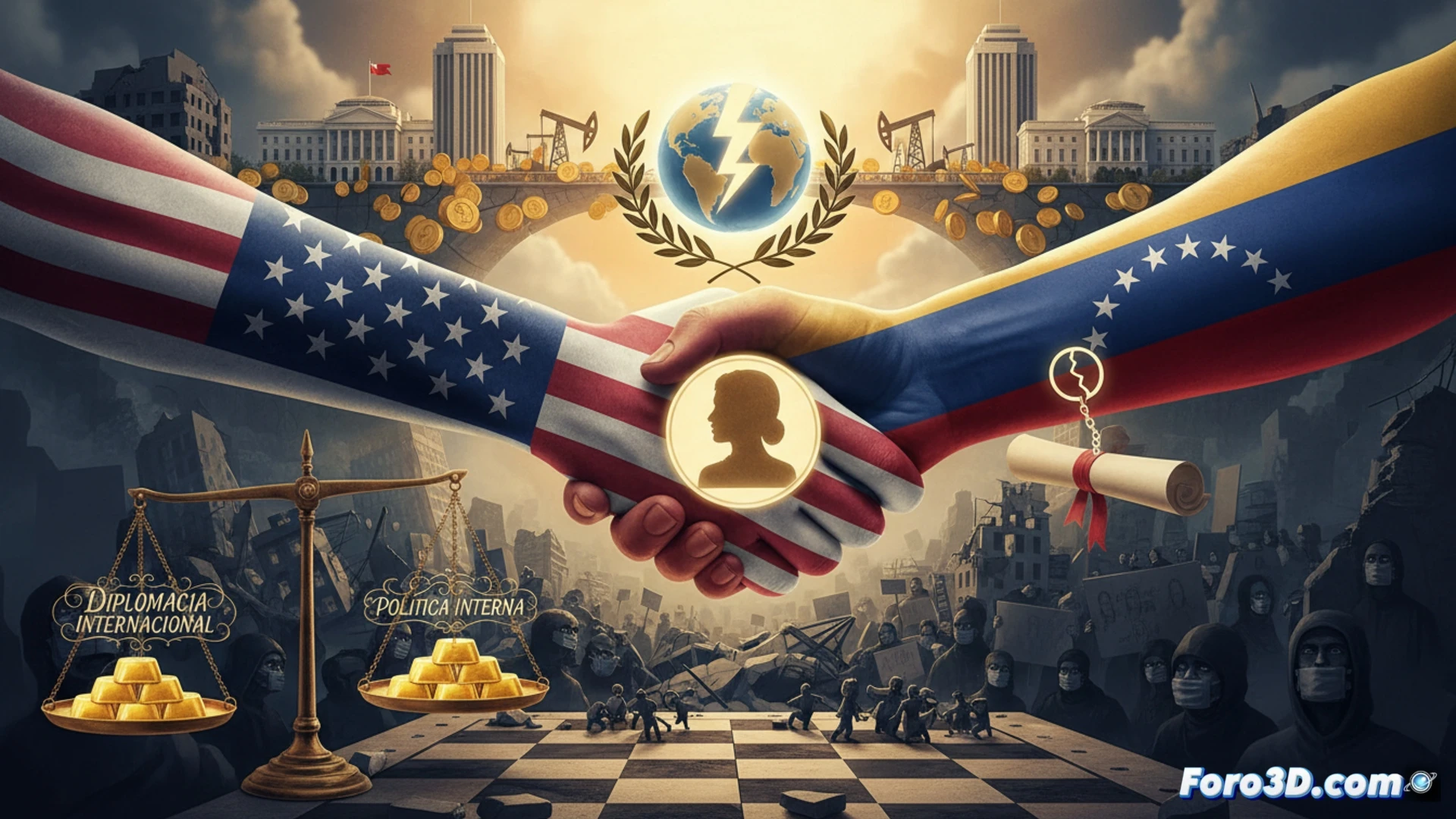
Diplomacy as a communication protocol: handshake after a timeout 🤝
This process resembles a network protocol that re-establishes the connection after a serious error. First, there was total packet loss (break in relations), followed by a hostile flag (arrest warrant). Now, a new handshake begins in three steps: a signal of rapprochement, a concrete gesture (lifting sanctions), and negotiation of terms. The internal Venezuelan buffer, however, remains full of contradictory political data packets that could cause a new timeout if not processed.
Geopolitical survival manual: from fugitive to interlocutor in 90 days 🕵️
For world leaders seeking a quick rapprochement: the formula is simple. Step one, have oil or a strategic position. Step two, wait for the other to need stability on its border or to lower the price of gasoline. Step three, let a few months pass for the anger to cool down. Done. Yesterday's arrest warrant is today's pending matter on the agenda. It's like canceling a dentist appointment because both prefer to forget the pain.