A global campaign is pushing for ecocide, the severe destruction of the environment, to be classified as an international crime before the Criminal Court. The goal is to deter massive damage before it occurs, equating it to crimes such as genocide. For citizens, it promises greater environmental protection, with potential benefits for health and resource conservation. However, its application could generate complex legal and economic conflicts, limiting industries and projects.
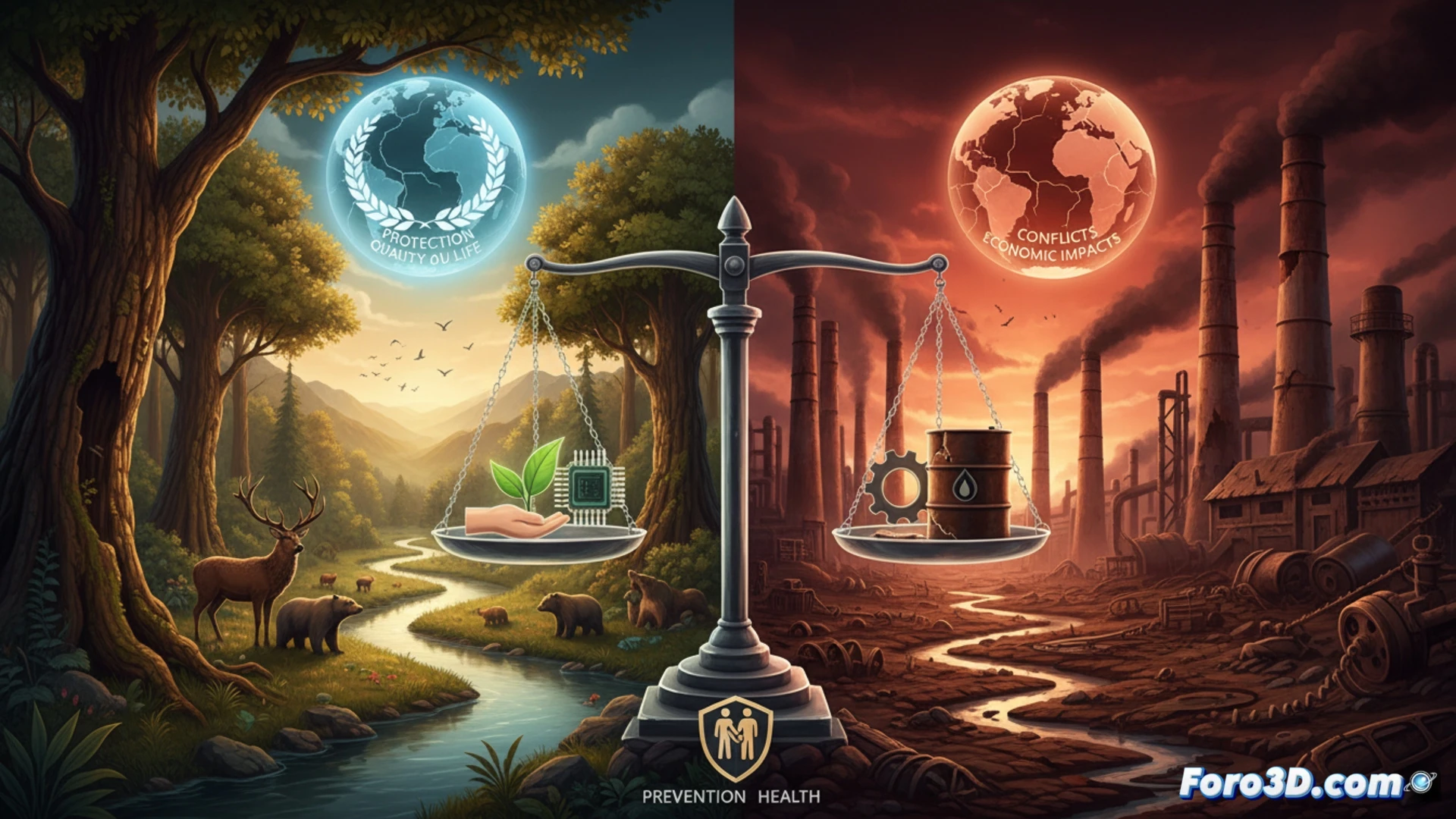
The Role of Technology in Monitoring and Proving Environmental Damage 🌍
The viability of this legal framework depends heavily on technological tools. Satellites with multispectral sensors, drones, and IoT networks allow for real-time monitoring of ecosystem changes, generating objective evidence. Big data analysis and AI algorithms can establish causalities between industrial activities and damage, which is crucial for judicial processes. However, standardizing this data and admitting it as international forensic evidence presents a technical and data sovereignty challenge.
Get Ready for the Trial for Damaging Your Own Garden ⚖️
With this law, we'll soon need an environmental lawyer just to trim the hedge. Imagine your Sunday barbecue emits a column of smoke that a satellite mistakes for an industrial fire. You receive a summons from The Hague before the sausages are done. Companies will have to add an ecocide defense department alongside accounting. Perhaps there will even be insurance to cover fines for mistreating an anthill. Green bureaucracy reaches epic levels.