The Casal Solleric in Palma hosts an exhibition that covers the work of Donna Ferrato, a photographer who turned her camera into a tool for denunciation. After witnessing in 1979 how a man beat a friend, Ferrato captured that moment and dedicated her life to documenting the cycle of abuse. Her book Living with the Enemy (1991) showed the reality of abused women without filters, combining activism and visual testimony over four decades.
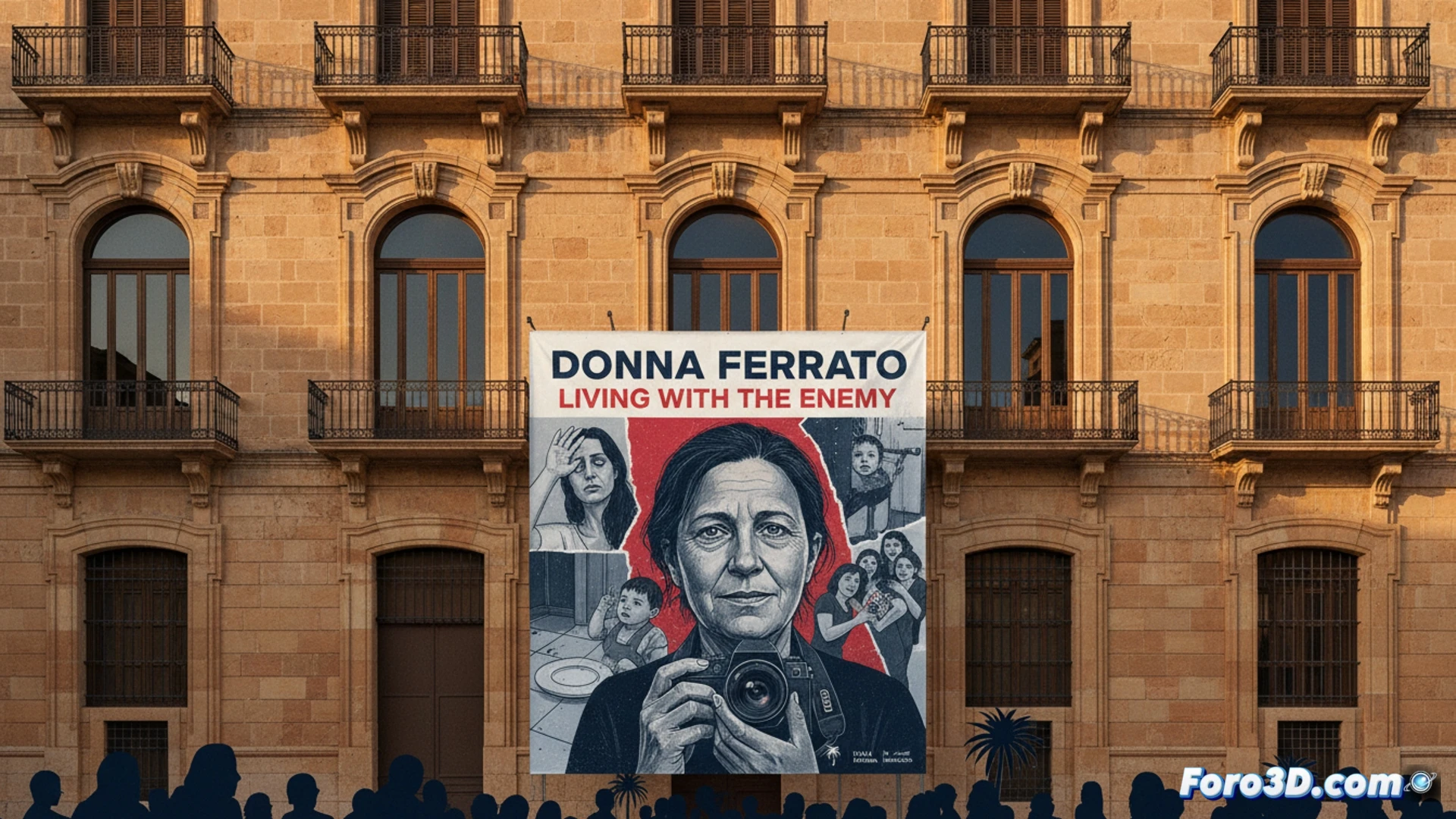
The flash as witness: technique and ethics in visual denunciation 📸
Ferrato worked with portable flash equipment and high-sensitivity film to capture scenes in dark interiors without altering the dynamics of the moment. Her approach prioritized continuous access to homes, achieving an intimacy that allowed her to record both violence and periods of calm. The use of wide-angle lenses and a short focal length required her to be close to the subjects, which raised ethical dilemmas about when to intervene. Her archive, digitized and cataloged by institutions such as the ICP in New York, combines negatives, contact sheets, and handwritten annotations that document the process of editing and selecting images.
When the camera has no pause button ⚡
Ferrato discovered that photographing domestic abuse was not like covering a wedding: here you couldn't ask the guests to pose smiling. Her trick to avoid being discovered was to shoot from the hip while pretending to adjust the focus, a technique she mastered to the point that some abusers believed she was calibrating the lens. The most ironic thing is that, after publishing the book, several of them asked her for copies of the photos to show their friends, like someone boasting about a hunting trophy.