A team of Danish researchers has achieved a significant breakthrough in the manufacturing of hydrogen engines by applying 3D printing techniques. According to OkDiario, the new design multiplies the power of previous models by five. The key lies in the complex geometries enabled by additive manufacturing, achieving lighter and more compact components that improve the performance of this clean propulsion technology.
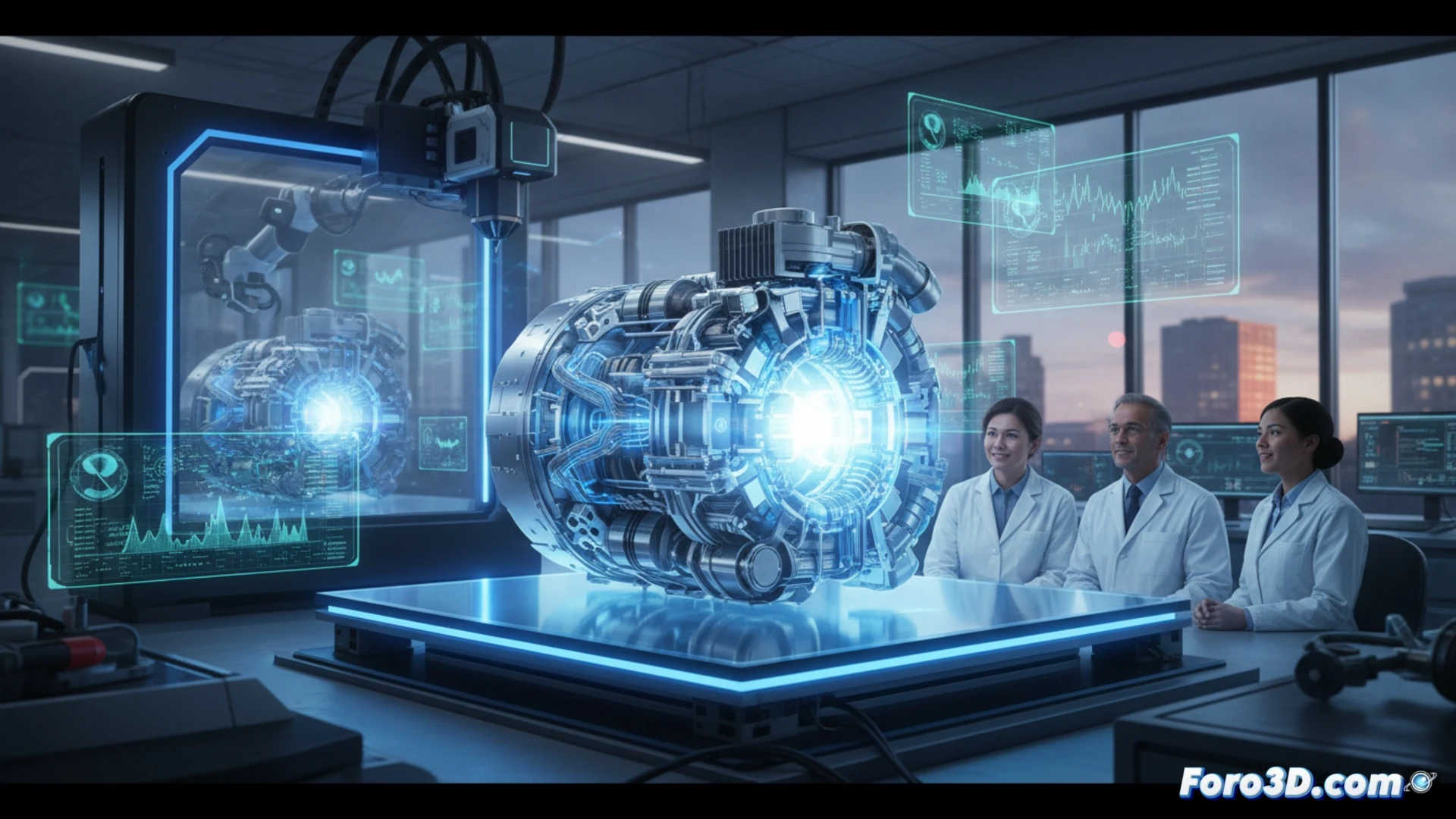
How 3D printing optimizes the design of internal components 🛠️
Additive manufacturing allows for the creation of internal cooling channels and combustion chamber shapes that were impossible with traditional machining. Scientists optimized hydrogen flow and thermal dissipation using lattice structures printed in lightweight alloys. The result is a more powerful engine that also reduces the total weight of the assembly. This approach could accelerate the adoption of hydrogen in sectors such as maritime transport or light aviation.
The hydrogen engine that is now faster than your coffee ☕
Sure, all very nice: more power, less weight, zero emissions. But while the Danes celebrate their technological milestone, the rest of the world is still waiting for hydrogen stations to stop being an urban myth. For now, the engine is an engineering marvel, but finding hydrogen to fill it up is still harder than getting a table at a trendy restaurant. That said, if you manage to refuel, you'll overtake everyone on the highway while they argue about the range of their electric cars.