An employee was dismissed after being absent from work for 17 days following medical clearance. The company considered the absence unjustified and the court upheld the dismissal, understanding that the worker was fit to return and did not justify his absence. This case clarifies work obligations after clearance and the importance of legal certainty in employment relationships.
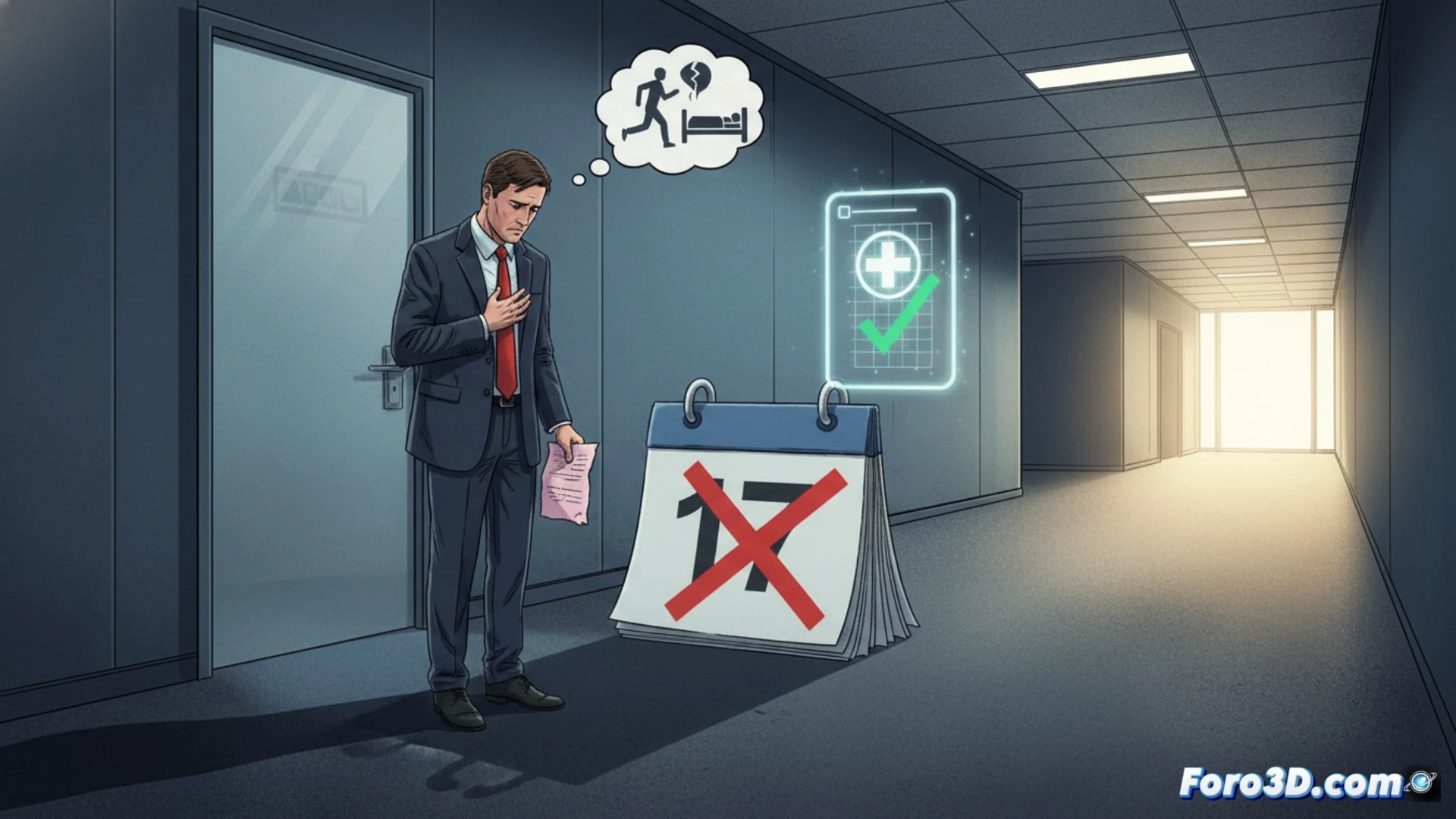
How digital technology manages work absences 💻
Time tracking systems and HR platforms allow for precise recording of absences and linking them to digital medical documents. An electronic clearance signed by the health service is integrated into the employee's file. If the worker does not present a valid justification or an agreed-upon phased return, the software alerts the company. This reduces ambiguity and facilitates decisions based on objective data, not subjective perceptions of health status.
Medical clearance is not a suggestion, it's an order ⚠️
Some workers believe that medical clearance is like a doctor's recommendation: if you feel bad, stay home. But it's not. It is a direct order from the health system. Ignoring it for 17 days is not prudence, it's an invitation to dismissal. Perhaps the employee expected the company to read his mind and guess his discomfort. But companies don't have telepathic powers, they only have a clearance report and a vacant position to fill.