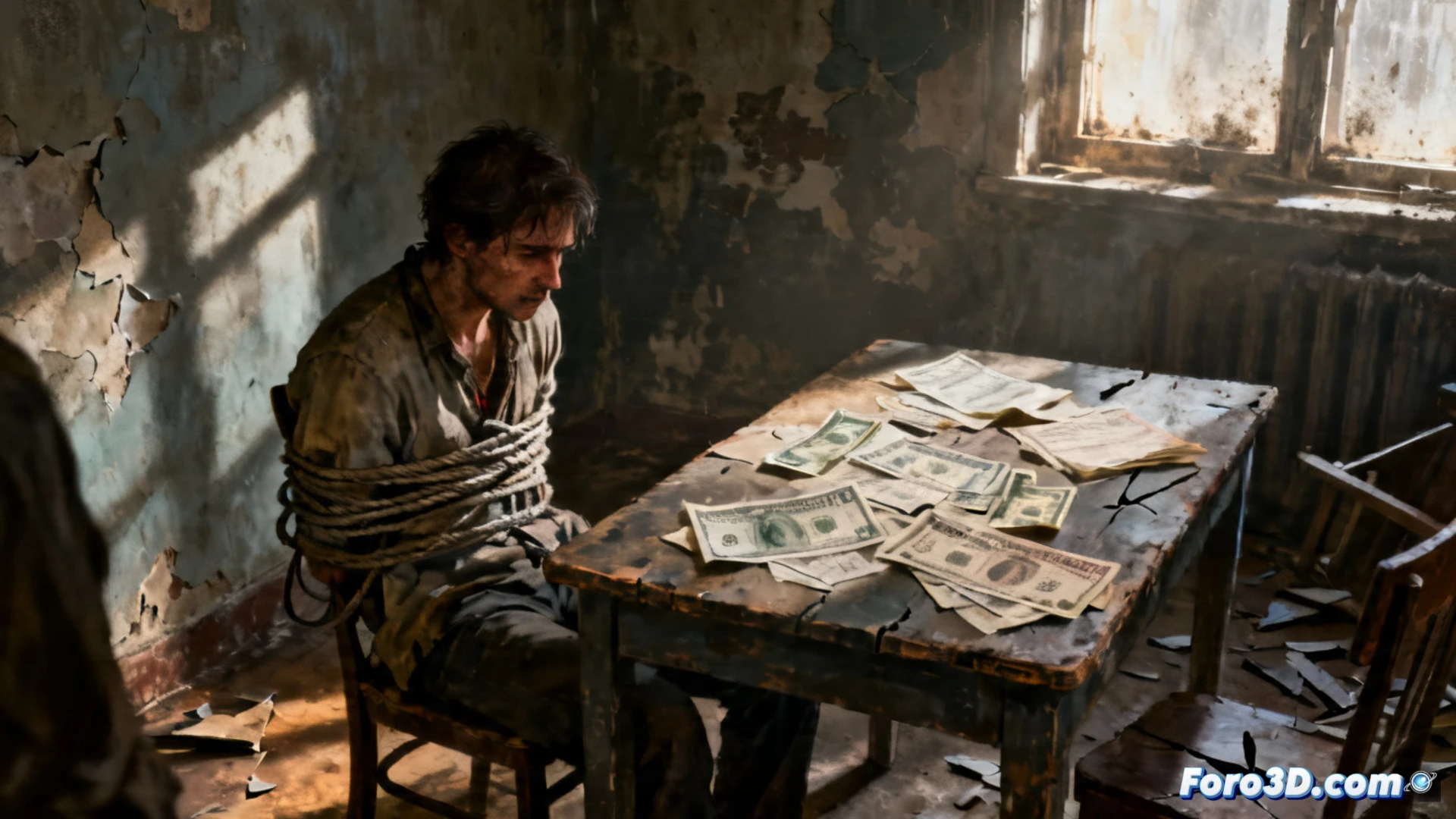
Gus Van Sant brings a true story of kidnapping and desperation to the screen. The film transcends the genre to offer a portrait of an America wounded by the financial crisis. The plot, centered on a ruined man who kidnaps his broker's son, uses the tension of captivity to explore the fractures of a system that pushes its citizens to the limit.
Narrative as the Engine of Tension: Structure and Editorial Rhythm 🎬
The script operates with the precision of parallel editing, cutting between the kidnapper, his hostage, and the family in crisis. This editorial rhythm, similar to a constant crossfade, maintains narrative pressure without the need for explicit action. Van Sant uses long takes and claustrophobic spaces to visually encode the anguish, where ambient sound and silences act as audio layers that increase the viewer's discomfort.
An Intensive Course in Finance and Express Kidnapping 💸
The film could be promoted as a manual on what not to do with your investments. If your retirement plan depends on a guy with a TV smile, you might end up tied up in a basement. Van Sant reminds us that, in the modern economy, sometimes the most valuable asset you can steal isn't money, but the heir of the person who ruined you. A lesson in business ethics with an uncertain ending.