Cuba's president, Miguel Díaz-Canel, has stated that he will not resign from his position. In a recent interview, he indicated that his permanence should be decided solely by the Cuban people. He criticized the United States government, accusing it of maintaining a hostile policy and lacking moral authority to demand changes or show concern for the internal situation on the island.
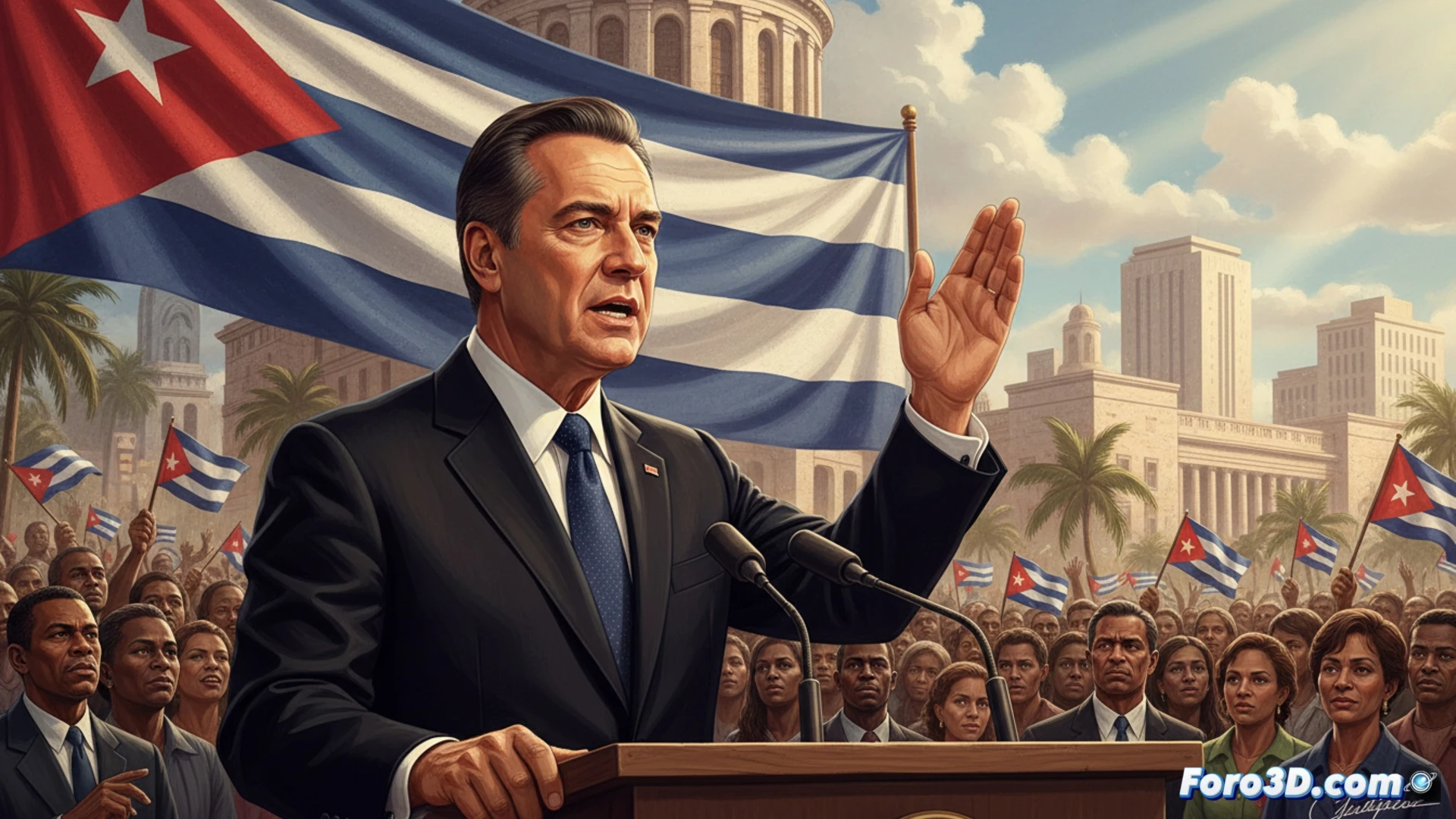
Digital sovereignty and resistance to external interferences 🔐
In the technological realm, this principle is reflected in digital sovereignty. Critical infrastructure systems, communication networks, and e-government platforms must be designed with resilience against external pressures. This implies security protocols, own infrastructure, and legal frameworks that prioritize autonomous decision-making, preventing foreign actors from influencing or destabilizing essential State operations.
User manual for overthrowing incompatible governments 📖
Apparently, some foreign policy manuals have a chapter dedicated to demanding resignations in countries with different political systems. The procedure seems standardized: express concern, apply economic pressure, and wait for a collapse that justifies intervention. The system failure occurs when the local social software does not recognize external commands and the popular hardware continues to function with its own operating system, no matter how slow it may seem.