The former Secretary General of the PP, María Dolores de Cospedal, has stated in the Kitchen case trial that retired commissioner José Manuel Villarejo complained about having rendered great services to the State without receiving adequate compensation. According to her testimony, Villarejo believed he had contributed his personal assets to operations of interest for the unity of Spain, although she denied having paid him directly.
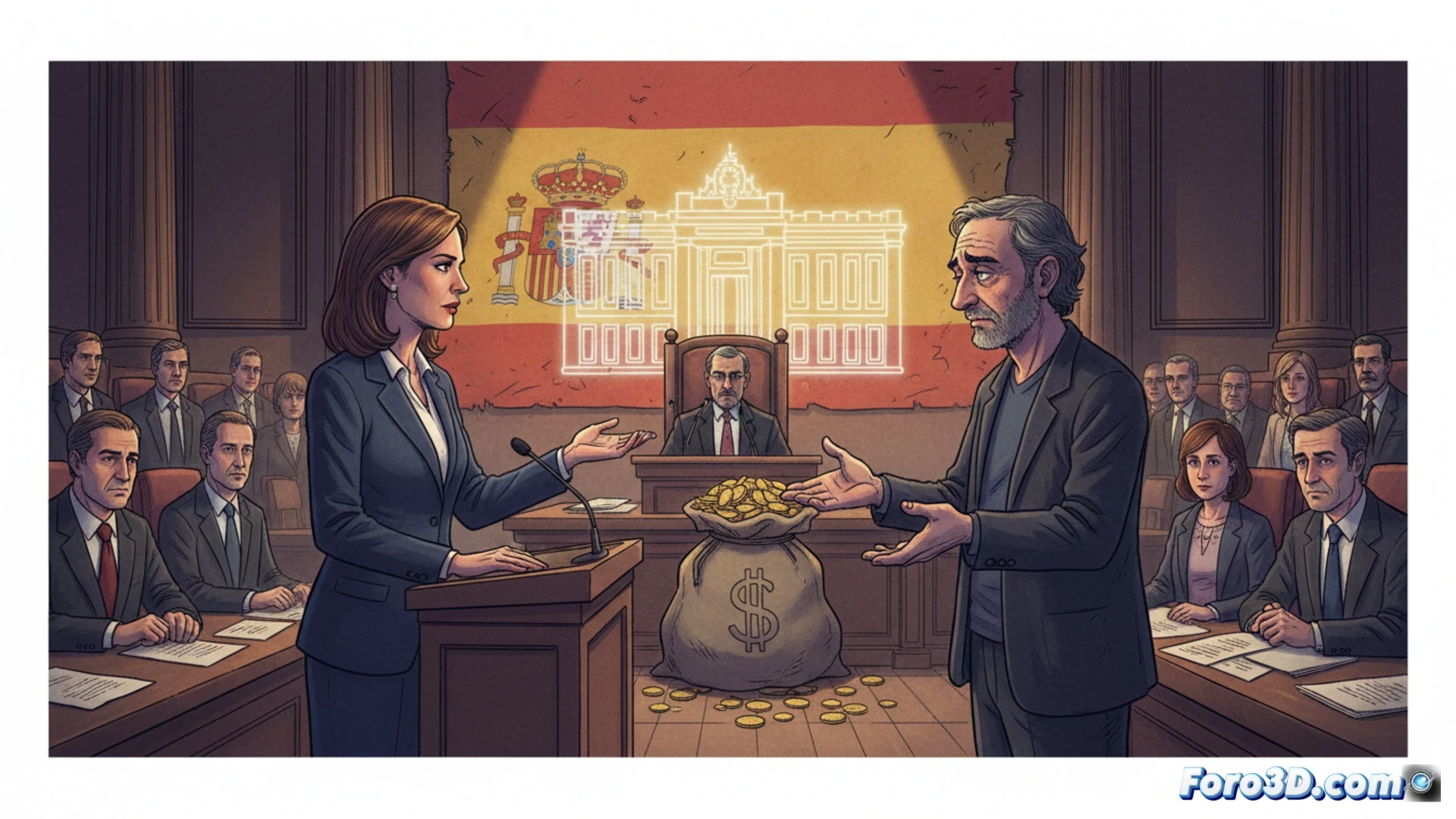
The Technology of Opacity in Managing Reserved Funds 🕵️♂️
The management of opaque payments and reserved funds in unofficial police operations lacks the traceability offered by modern systems. While a bank transfer leaves a digital trail and a public contract is audited, the use of cash or in-kind payments hinders any oversight. Implementing technologies such as blockchain or forensic audit software could prevent services rendered from going without documented compensation, something that would have benefited both the commissioner and his superiors.
Villarejo, the Most Patriotic Freelancer in History 😅
A commissioner complaining about not being paid for services rendered is like a plumber who fixes a leak and then asks to be paid in applause. Villarejo, according to Cospedal, used his own assets to save the unity of Spain, something neither the tax office nor his bank would understand as a deductible investment. Perhaps his calling was not to be a policeman, but a social entrepreneur with a vocation for fiscal martyrdom.