In today's digital environment, managing privacy on social media is a necessary practice. For Instagram users, three fundamental settings are the private account, activity status, and tag control. Activating these options allows filtering who accesses personal content and limits unwanted exposure. This article reviews their usefulness from a practical perspective. 🔐
Programming Interface and Metadata Management ⚙️
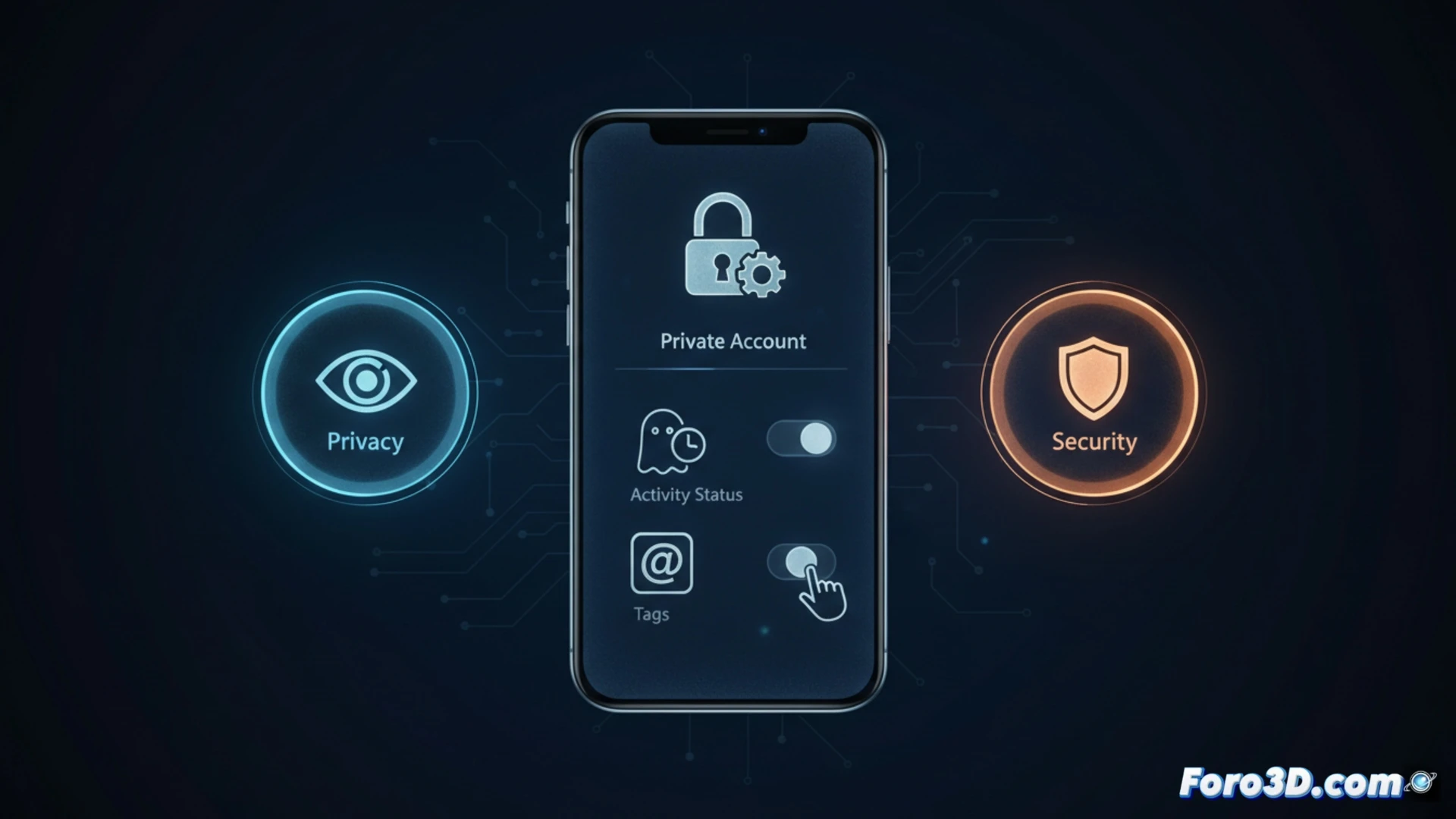
Technically, these settings act as a front-end for database rules and API permissions. By marking the account as private, a flag in the user profile is modified, which restricts queries to the posts endpoints. Disabling the activity status removes the connection socket that publishes the live timestamp. Tag control is a pre-moderation system that intercepts POST requests mentioning the user, requiring approval before updating the relationship table.
Ghost Mode: When Your Profile Looks Like an Abandoned Project 👻
Activating all these protections has a fun side effect: your profile adopts the utility of a landline phone. New followers must wait for you to approve their request, as if they were door-to-door salespeople. Your activity status becomes a mystery, giving the impression you've left the app to grow tomatoes. And the pending tags piling up are like notifications from a system nobody maintains. Maximum privacy, minimal social interaction. The digital paradox.