The escalation of the conflict in Iran has generated an unexpected domino effect on the global cultural supply chain. The Metropolitan Opera in New York has confirmed the loss of $200 million in Saudi funding, funds intended for stage productions and international tours. This financial collapse is not a diplomatic accident, but the direct result of the disruption of capital routes that depend on geopolitical stability in the Persian Gulf.
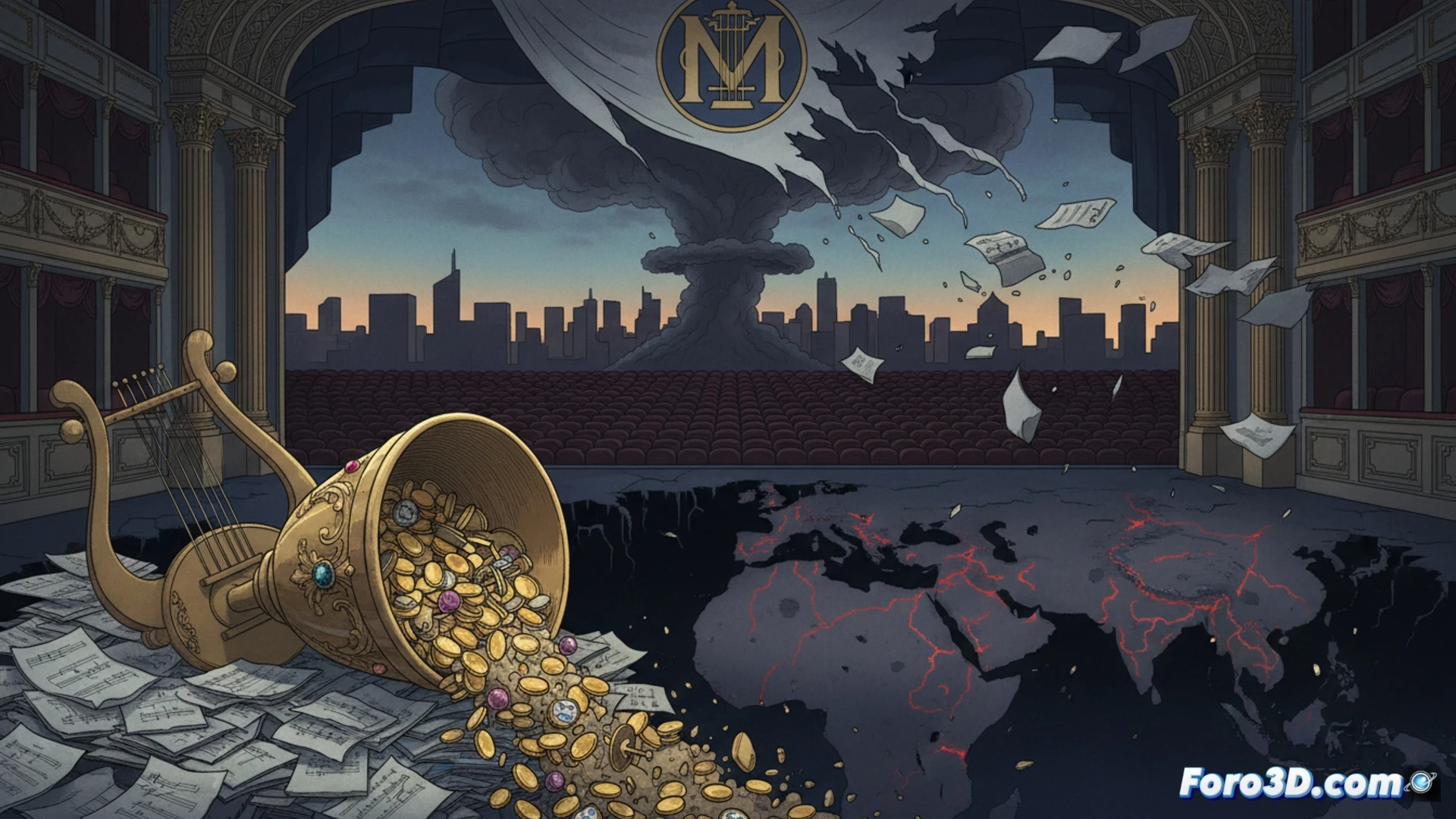
Technical analysis: Disruption of financial flows in the cultural supply chain 🌍
From a scenario simulation perspective, this case perfectly illustrates the vulnerability of Western cultural industries to Middle Eastern geopolitical volatility. The $200 million represented a critical node in the Metropolitan Opera's funding network, functioning as a capital hub that fueled everything from costume production to transatlantic tour logistics. When the Saudi flow was cut off due to Iranian destabilization, a financial bottleneck was created, forcing the institution to reconfigure its revenue model. An interactive 3D map of this route would show how the conflict blocks the transfer of value from Riyadh to Manhattan, directly affecting New York's cultural economy.
Alternative scenarios for opera funding in a fractured world 💥
The lesson is clear: dependence on a single geopolitical funding corridor is a systemic risk. For the Metropolitan Opera, simulation scenarios suggest three paths to resilience: redirecting tours towards Asian markets not aligned with the conflict, seeking private capital from European sovereign funds, or temporarily relocating high-cost productions to smaller venues. However, none of these options replace the lost liquidity, demonstrating that culture, like any other global supply, is hostage to geopolitics.
How would you simulate the impact of a conflict in one region on global production?