Shopping online without falling victim to a scam is possible if you know what to look for. Fraudulent stores have improved their design, but they share common flaws: lack of real data, suspicious domains, or absence of a tax ID. The EU requires a physical address and legal registration; if you don't see them, be wary. Also check the domain's age: if it's less than six months old, it's a red flag.
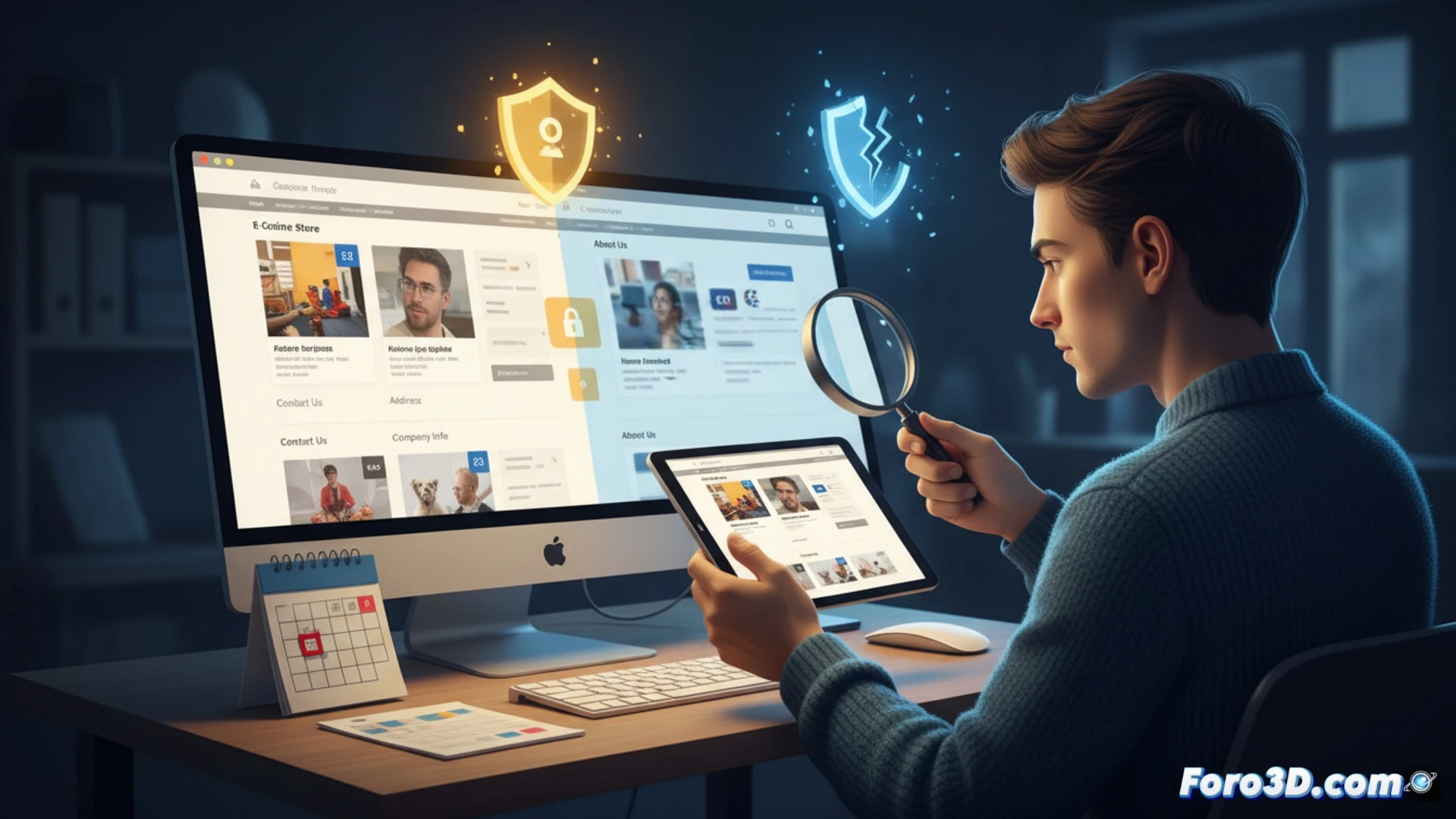
Technical verification: domain, certificates, and contact details 🔍
To avoid fraud, use tools like Whois to check the domain's registration date. Legitimate sites are usually more than six months old. Also, check that the URL uses HTTPS and that the SSL certificate matches the company's name. Look for the tax ID on the website and compare it with official records. If the store imitates a well-known brand but the domain has strange variations (like amaz0n or nikee), it's almost certainly fake. Don't trust prices that are too low or urgent offers.
The fake store that almost sold me a wifi toaster 🍞
The other day I found a website selling a toaster with wifi connection for 15 euros. The domain was toastmaster-pro.shop, registered three days ago. It had photos of a luxury toaster and text translated with Google Translate. The best part: the tax ID belonged to a fruit shop in Murcia. For 15 euros, maybe it was worth it just to see if the toaster toasted or spied on my conversations. But no, better to save myself the disappointment and the burnt bread.