Brand and movie alliances have become a dominant strategy in Hollywood, but their saturation is causing backlash. From Wicked Crocs to the Diet Coke in The Devil Wears Prada, these collaborations seek to capitalize on box office success. However, the result is often forced and lacking narrative substance. The Barbie movie, with over 100 promotional deals (makeup, toothpaste, clothing), is the clearest example of how excess generates consumer fatigue.
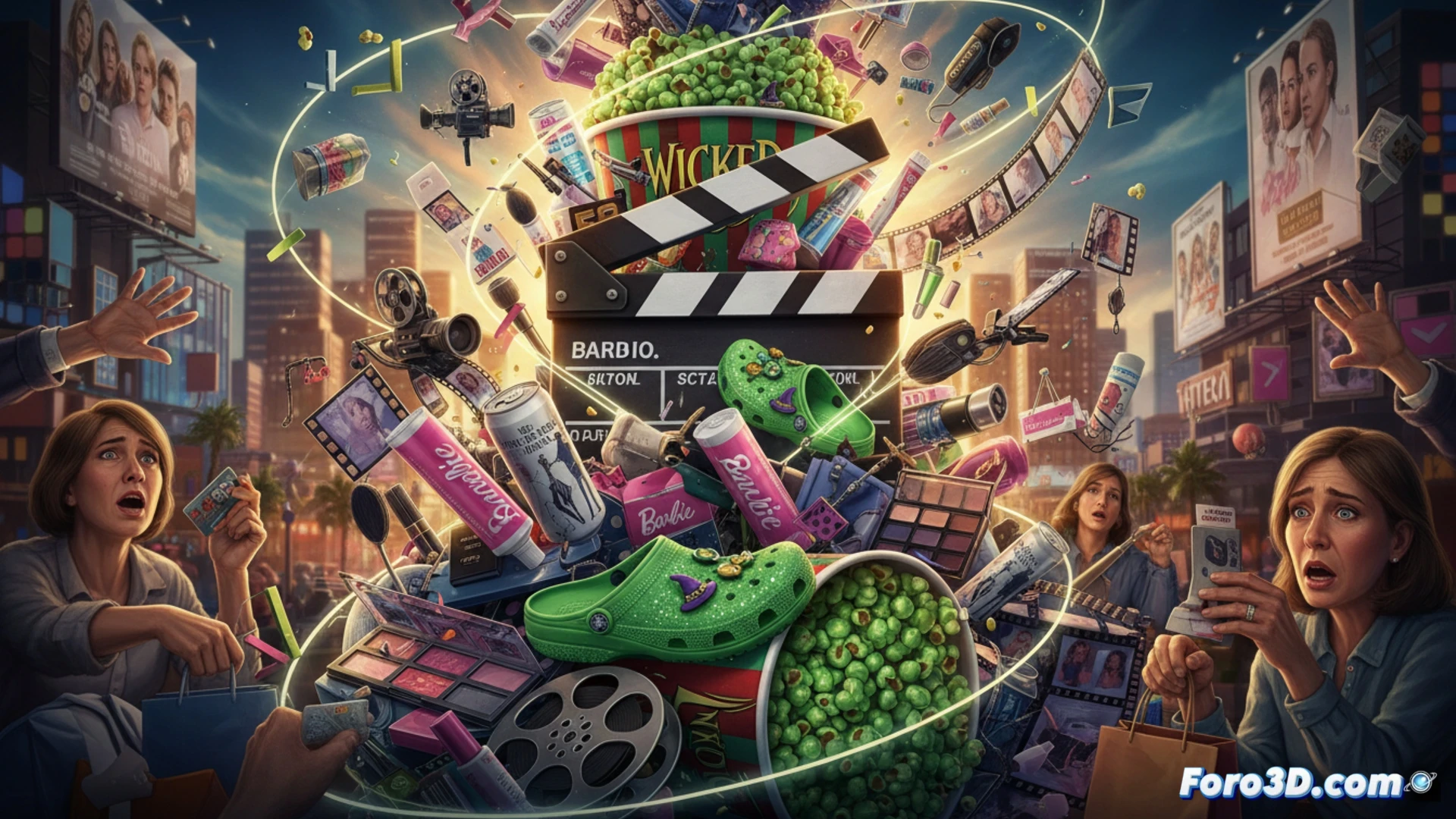
The Sponsorship Algorithm: Forced Integration in Every Frame 🎬
Product placement is not new, but the current scale is overwhelming thanks to audience data. Studios use predictive analytics tools to identify which brands will resonate with specific demographics, integrating products into scripts even before they are written. For example, Oakley sunglasses in Top Gun: Maverick or Dodge cars in Transformers are calculated decisions to maximize return on investment. This mechanization of the creative process reduces cinema to a catalog of ads, where every scene is a disguised advertising space within a narrative.
Cinema as an Amazon Prime Catalog 🛒
We no longer know if we are watching a movie or doing our shopping. In Barbie, even toothpaste had a sponsorship deal. What's next? The protagonist stopping mid-chase to order an Uber Eats. Of course, all of this is great for marketing departments, who are already planning to sell advertising space within the dialogues themselves. Soon we will see a superhero say: Before saving the world, let me order a discounted pizza.