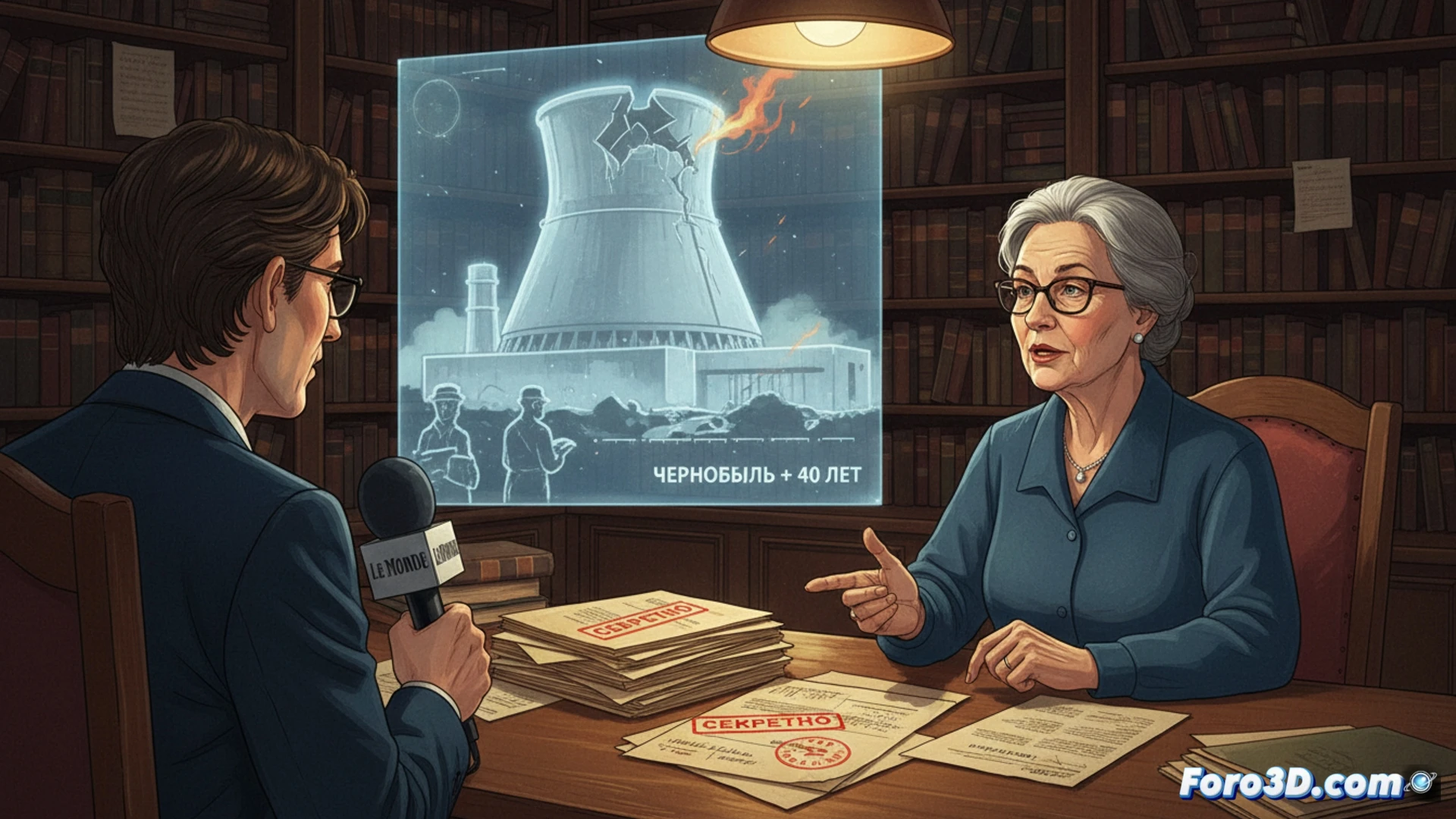
Four decades after the Chernobyl disaster, historian Galia Ackerman analyzes in Le Monde how the secrecy and incompetence of the Soviet regime worsened the catastrophe. All information about the nuclear power plant was classified as top secret, preventing any preparation or transparency. This legacy of opacity remains a lesson on the risks of hiding critical data.
The technical design that failed due to lack of transparency 🛠️
The Chernobyl RBMK-1000 reactor had known design flaws, such as a positive void coefficient that increased power in the event of overheating. The lack of a robust containment system and the operation of the plant without clear protocols were determining factors. Secrecy prevented engineers and operators from sharing crucial data, leaving the plant vulnerable to human and technical errors that are now studied in safety manuals.
The Soviet manual on how not to manage a power plant 📖
If there were a manual titled How to Turn a Reactor into a Steam Bomb, the Soviets would have followed it to the letter. With secrecy, information was so exclusive that even the operators themselves did not know which buttons not to touch. In the end, the lesson was clear: if you hide the data, the disaster does not hide. And on top of that, you are left without electricity for your coffee.