The University of Alicante has patented a catalyst manufactured using 3D printing that revolutionizes hydrogen purification. Its three-dimensional structure maximizes the reaction surface, eliminating impurities such as carbon monoxide with superior efficiency. This breakthrough is key for the energy transition, as it produces high-purity hydrogen, ideal for fuel cells and microfabrication processes in semiconductors where minimal contamination is critical.
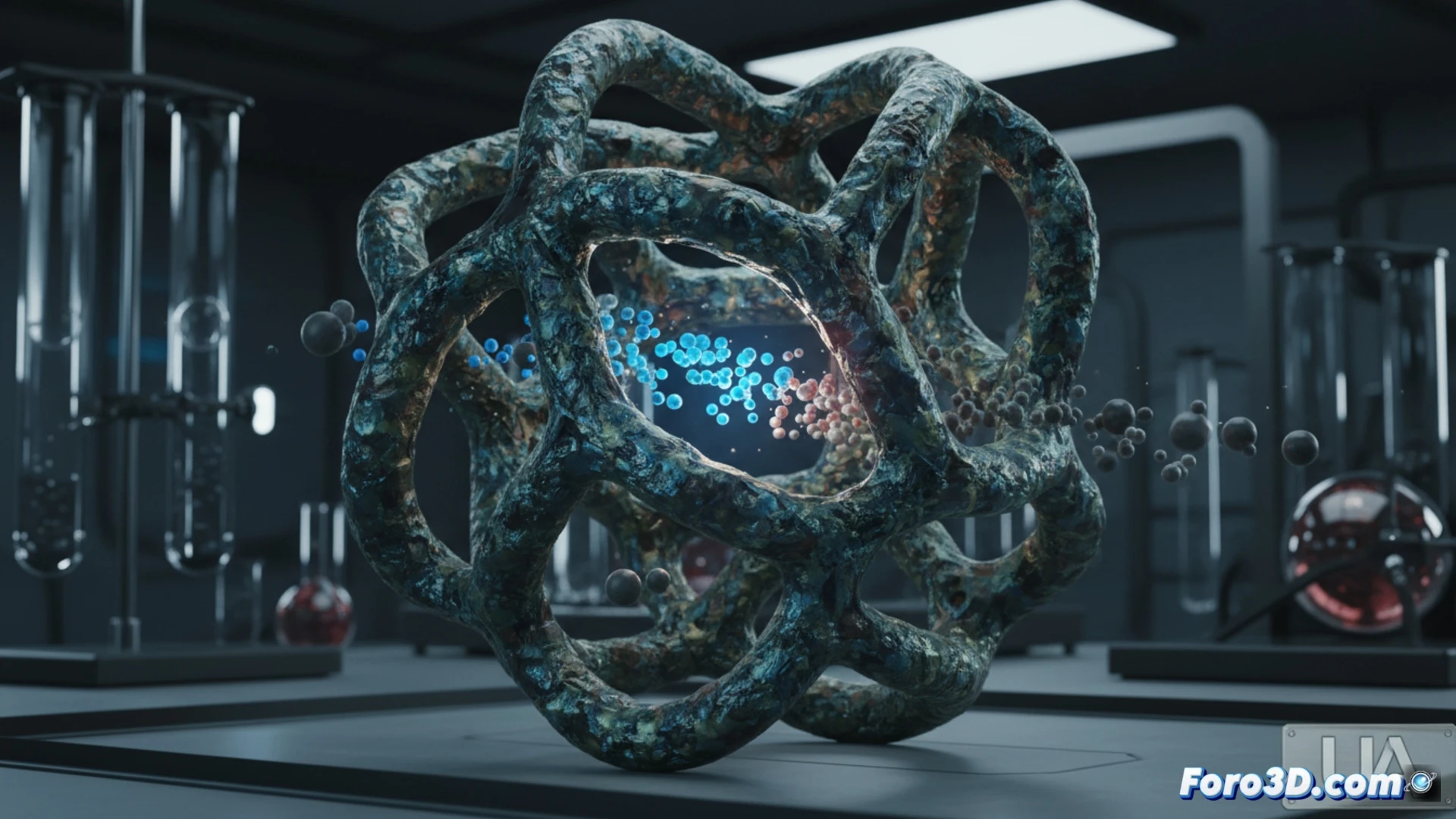
Additive microfabrication and optimization of reactive surfaces 🔬
3D printing allows designing catalysts with complex geometries impossible to achieve with traditional methods. In this case, the porous and three-dimensional structure drastically increases the active surface area, facilitating the adsorption and conversion of carbon monoxide into harmless compounds. This principle is analogous to microfabrication techniques in semiconductors, where high surface-to-volume ratio surfaces are sought to improve the efficiency of devices such as sensors or fuel cells. The nanoscale precision of the additive process ensures a uniform distribution of active sites, optimizing each chemical reaction in purification.
Impact on decarbonization and clean energy 🌱
Obtaining ultrapure hydrogen at low cost is a pillar for decarbonization. This 3D catalyst reduces dependence on expensive and polluting processes, facilitating the use of fuel cells in automotive and stationary generation. For the semiconductor industry, purified hydrogen is essential in wafer manufacturing and chemical vapor deposition processes. Thus, 3D printing not only improves catalysis but also accelerates the adoption of clean technologies, closing the loop between advanced microfabrication and energy sustainability.
What technical implications does the integration of a 3D catalyst for hydrogen purification have in semiconductor manufacturing processes, considering material compatibility and industrial scalability?
(PS: 180nm are like relics: the smaller they are, the harder to see with the naked eye)