Vercel, a web deployment platform, reported a security incident. The cause was the compromise of a third-party AI tool, Context.ai. This unauthorized access allowed entry into an employee's Google Workspace account and internal systems. The case shows a growing risk: the software and external services supply chain as an attack vector.
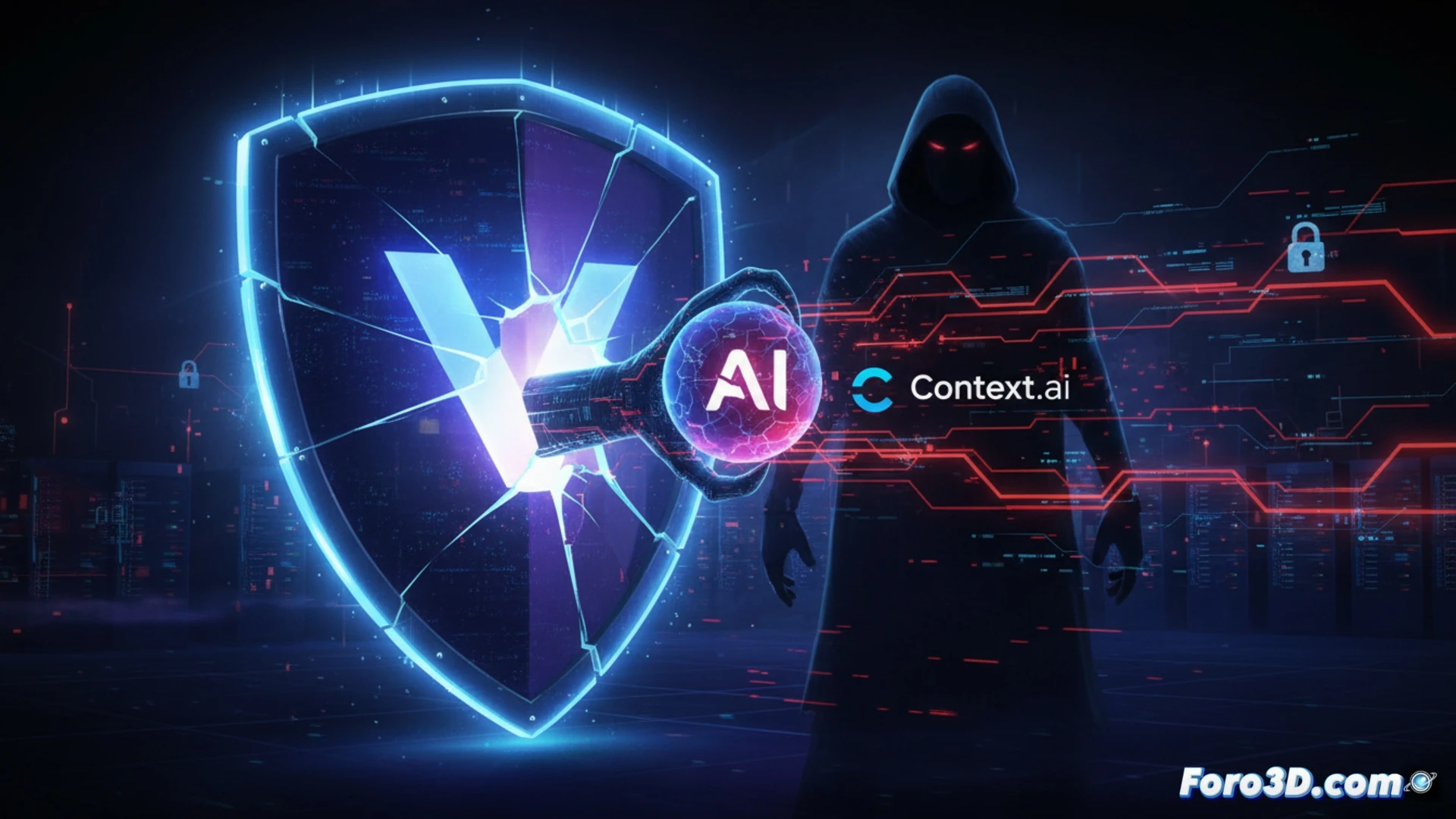
The Weak Link in the Modern Integration Chain 🔗
The incident did not exploit a direct vulnerability in Vercel's infrastructure, but rather a connected service. Context.ai, presumably integrated for analytics or productivity, acted as a bridge. This underscores a technical challenge: the management of permissions and access tokens in integrations with third-party OAuth or APIs. An over-privileged token, once stolen, grants lateral access. Multi-factor authentication on the primary account did not mitigate this, as the attack operated from an already authenticated session via the compromised tool.
We Trust an AI Not to Hack Us... and It Was the AI 🤖
The irony has layers. We integrate AI tools to be more efficient and, perhaps, smarter against threats. But it turns out the tool itself becomes the Trojan horse. It's like installing a state-of-the-art lock and having the locksmith steal the master key. The weakest link is no longer the human clicking a link, but the automated service in which we delegate trust. A reminder that in the cloud, your security is only as strong as the smallest provider you use.