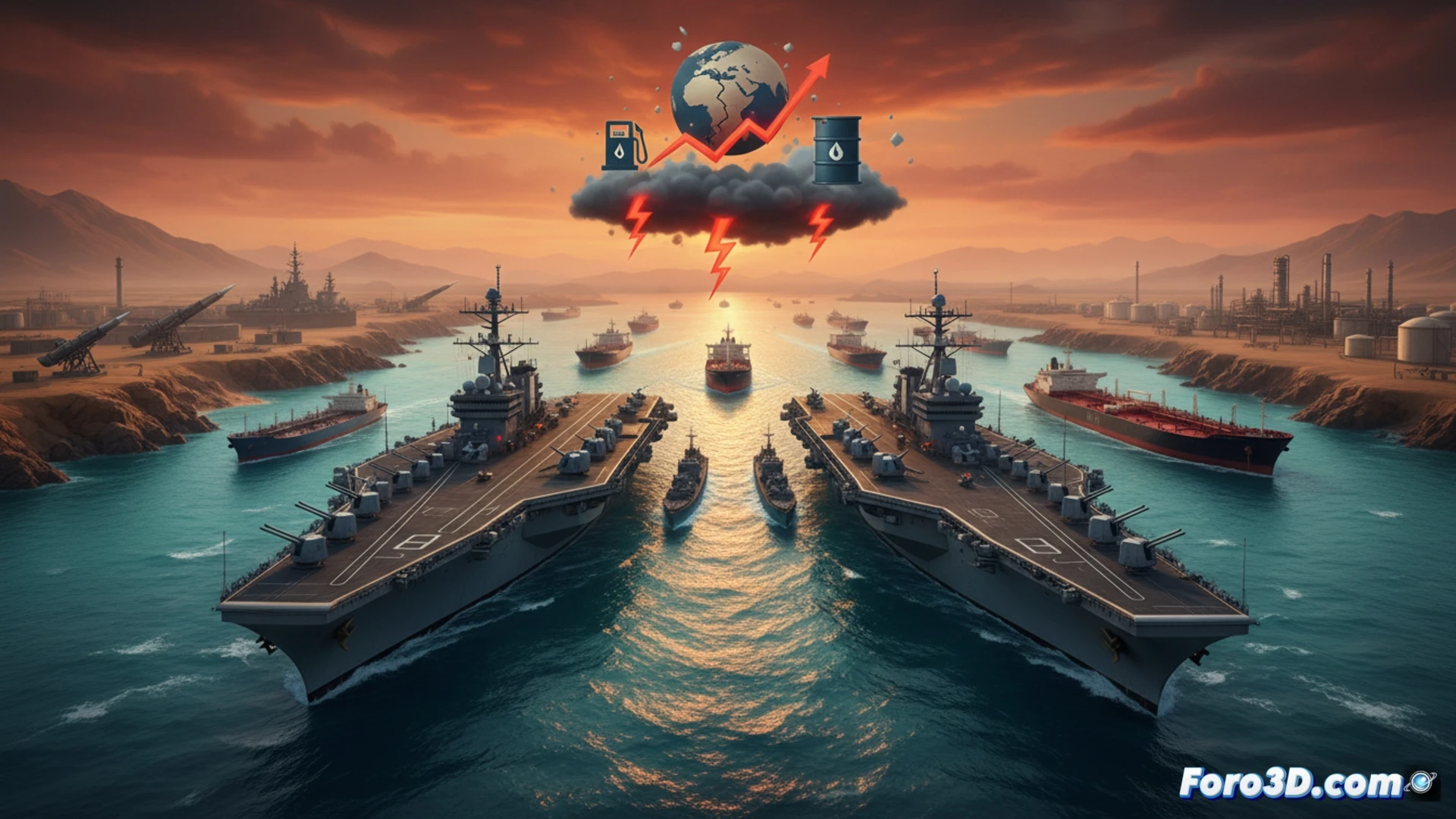
Russia has denounced the U.S. naval blockade in the Strait of Hormuz following the failure of negotiations with Iran. This area is crucial for global oil transportation. For the average citizen, the potential benefit is limited and would depend on pressure leading to new talks. The immediate risk is a disruption in supply, which could increase the cost of fuel and energy, raising international tension.🚨
Real-time maritime monitoring and logistics 🛰️
Situations like this highlight the role of maritime tracking technology. Systems like AIS (Automatic Identification System) allow for real-time monitoring of tanker traffic. Data analysis platforms process this information to forecast bottlenecks and model the impact on supply chains. This technical capability is key for companies to manage risks and adjust logistical routes in the face of blockades or geopolitical incidents.
Family plan: staycations and romantic candles 😅
With the shadow of a rise in electricity and gasoline bills, perhaps it's time to rethink leisure. Coastal vacations may transform into a stay in the living room, and candlelit dinners will no longer be a romantic gesture, but a scheduled power outage. At least, this way we encourage savings and family life. Who needs cruises when you can navigate streaming channels from the couch.