The forensic analysis of North Korean ballistic missiles, such as the KN-23 and KN-24 models, used in Ukraine, reveals a technical paradox. Their physical construction is rudimentary, with crude welds and basic materials, yet they house guidance systems with modern commercial electronics from diverse origins. This hybrid combination creates a functional weapon with notable limitations. 3D reverse engineering and simulation technologies are key to virtually dismantling these systems, visualizing their interior, and understanding their true impact on the modern battlefield.
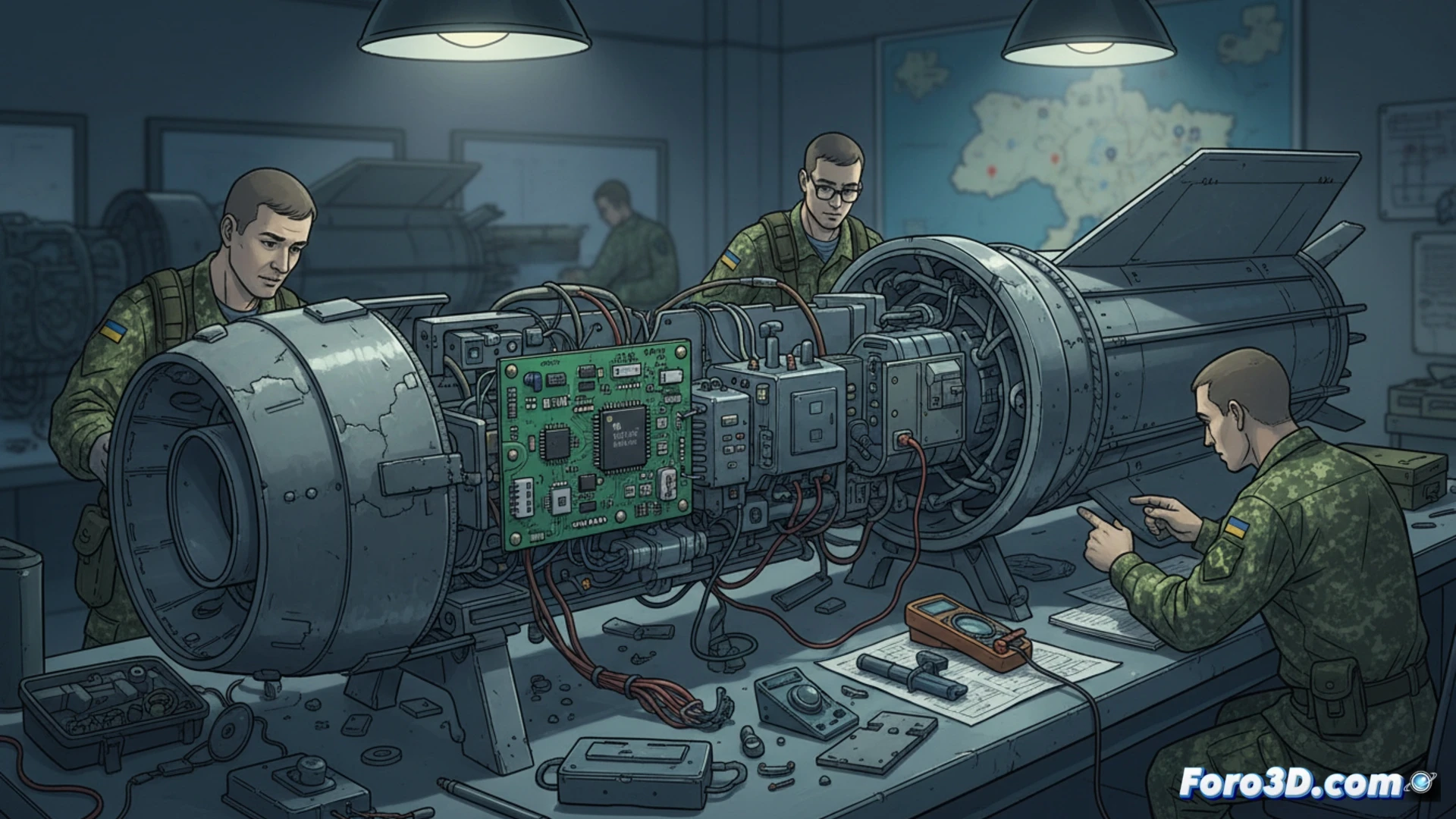
Reverse Engineering and 3D Simulation: Dismantling the Technical Paradox 🔍
Through 3D scanning and precision modeling, it is possible to digitally recreate each missile component. This process allows for a virtual teardown that isolates the crudeness of the chassis and structure, showing irregular welds and a heavy design, from the sophisticated guidance assembly. Commercial electronic components can be identified and visualized, mapping their possible origin. Computational simulation sheds light on their limitations: larger engines due to less efficient fuels, predictable trajectories, and critical failure points. An interactive 3D infographic could show this duality and simulate the challenge of intercepting a ballistic projectile, despite its deficiencies.
The Effective Threat: When the Simple and the Modern Merge ⚙️
Analysis with 3D tools confirms that this mix of old methods and modern components produces an effective weapon in its context. Their ballistic nature makes them difficult to shoot down, compensating for their reliability issues. This case study demonstrates how 3D modeling and simulation are crucial instruments for dissemination and technical-military analysis, allowing us to understand that, in modern warfare, even hybrid and crude solutions can represent a significant and adaptable threat.
How does the 3D forensic analysis of captured North Korean missiles reveal the paradox of crude manufacturing combined with surprisingly modern and effective electronic subsystems?
(PS: at Foro3D we document war damage with the same millimeter precision as our meshes) 🎯